The Amish are often admired for their simple way of life, strong family ties, and ability to live with fewer modern conveniences. For generations, Amish families have passed down practical skills that help them grow their own food, repair what they own, and make many of the things they need by hand.
While most people aren’t looking to completely leave behind modern life, many of these traditional skills still have value today. Knowing how to preserve food, grow a garden, sew clothing, or make basic household items can save money, reduce waste, and provide a greater sense of independence.
These skills are especially useful during uncertain times, whether you’re dealing with rising costs, supply shortages, or simply want to become less dependent on store-bought products.
Here are 15 Amish-inspired skills worth learning.

1. Canning and Preserving Food
Food preservation has long been a part of Amish households. Canning fruits, vegetables, sauces, jams, and even meats allows families to enjoy homegrown food throughout the year.
Learning how to preserve your harvest means less food waste and fewer trips to the grocery store. A well-stocked pantry filled with homemade preserves can also provide peace of mind during times when fresh supplies are harder to find.
Related: 17 Old-Fashioned Lessons Homesteaders Can Learn From The Amish Lifestyle
2. Growing and Managing a Garden
Many Amish families grow large gardens filled with vegetables, herbs, and flowers. Gardening provides fresh food, reduces expenses, and creates a stronger connection to the land.
Even a small backyard garden can produce a surprising amount of food. Learning about seed saving, composting, crop rotation, and seasonal planting can help you get more from your growing space.
3. Soap Making
Making soap at home is a useful skill that has been practiced for generations. Homemade soap allows you to choose the ingredients that go into each batch while avoiding unnecessary additives found in some commercial products.
With basic supplies and practice, you can create soaps using natural oils, herbs, and scents. It can also become a small business opportunity if you enjoy crafting.
4. Animal Husbandry
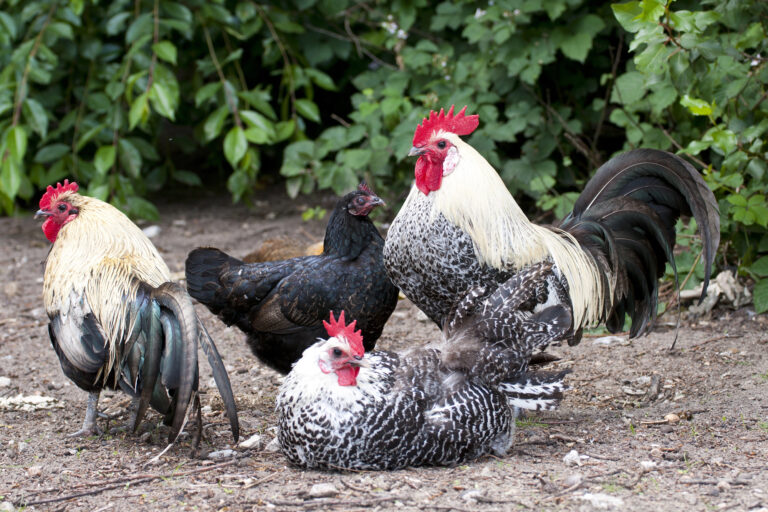
The Amish have extensive experience raising animals for food, milk, eggs, and fiber. Caring for livestock requires patience and knowledge, but it can provide valuable resources for a self-sufficient household.
Raising chickens for eggs, goats for milk, or other animals suited to your property can help reduce reliance on outside sources while teaching important skills.
Related: 15 Safest Places for Preppers to Live When the SHTF
5. Woodworking
Amish woodworking is known for its craftsmanship and attention to detail. Many Amish artisans create furniture, tools, and household items using traditional techniques.
Learning basic woodworking can help you repair furniture, build useful items, and make replacements instead of buying new products every time something breaks.
6. Quilting
Quilting is a practical craft that creates warm blankets while preserving a long-standing tradition. Amish quilts are famous for their careful stitching and simple designs.
Beyond making bedding, quilting teaches patience, creativity, and the ability to turn leftover fabric into something useful.
7. Blacksmithing
Blacksmithing remains an important skill in some Amish communities, where metal is shaped into tools, hardware, and other useful items.
While setting up a forge may not be practical for everyone, learning basic metalworking skills can help with repairs and creating simple tools.
8. Bread Baking
Fresh homemade bread is a staple in many Amish homes. Baking bread from scratch can be less expensive than buying loaves from the store, and you have full control over the ingredients.
Learning techniques like sourdough baking can also help you create a reliable food source using simple pantry staples.
9. Sewing and Mending Clothes
The Amish place great value on making clothing last. Sewing skills allow you to repair worn garments, replace buttons, patch holes, and create new pieces from fabric.
With basic sewing knowledge, old clothing can be given a second life instead of being thrown away.
10. Herbal Remedies
Many Amish families use traditional knowledge of herbs and natural preparations for everyday needs. Growing plants such as mint, lavender, chamomile, and calendula can provide ingredients for teas, salves, and other homemade products.
Learning about herbs can be a useful addition to your household skills, especially for minor everyday concerns.
11. Candle Making
Before widespread access to electricity, candles were an important household item. Learning how to make candles from materials like beeswax or other natural waxes can provide an alternative lighting source.
It’s also a simple craft that can be enjoyed as a hobby or turned into a small source of income.
12. Cheese Making
The Amish are known for producing a variety of homemade cheeses using fresh milk. Cheese making allows families to preserve milk and create nutritious foods at home.
With practice, you can learn to make simple cheeses using cow’s milk, goat’s milk, or other available sources.
13. Building and Maintaining a Root Cellar
Before modern refrigeration, root cellars helped families keep food fresh for months. These cool, dark storage spaces are ideal for storing vegetables, canned goods, and other supplies.
A root cellar can help reduce food waste and provide another way to store a harvest without relying entirely on electricity.
14. Preserving Meat
Traditional meat preservation methods such as smoking, curing, and drying have helped families store food long before freezers became common.
Learning these techniques can be useful for hunters, homesteaders, or anyone interested in expanding their food storage skills.
15. Living a Simple, Sustainable Lifestyle
Perhaps the greatest lesson from the Amish is their focus on living with purpose. Their lifestyle places importance on family, community, hard work, and making the most of available resources.
You don’t have to give up modern conveniences to learn from these principles. Growing some of your own food, repairing items instead of replacing them, and spending more time building meaningful skills can create a more independent and fulfilling way of life.
The value of these skills goes beyond preparation. They help build confidence, creativity, and a stronger connection to the everyday tasks that keep a household running.