Hydrogen peroxide is one of those inexpensive household items that deserves a permanent spot in your emergency supplies. Most people keep a bottle in the bathroom or under the kitchen sink, but it can do much more than clean up minor cuts.
In a survival situation, having one product that serves several purposes is always a plus. Hydrogen peroxide can help with cleaning, sanitation, basic first aid, and even gardening. While it’s no substitute for proper medical care or safe drinking water, it can be a useful backup when options are limited.
Here are 17 practical ways hydrogen peroxide can earn its place in your emergency kit.
Image Credit: Deposit Photos
Disinfect Minor Cuts and Scrapes
Hydrogen peroxide can help clean small cuts, scrapes, and abrasions by removing dirt and reducing bacteria on the surface of the skin. Pour a small amount over the wound or apply it with clean gauze or a cotton swab. For ongoing wound care, follow current first-aid recommendations and avoid repeated use, as frequent application may slow healing.
Freshen Your Mouth
A properly diluted hydrogen peroxide solution can be used as a mouth rinse to help reduce bacteria and freshen your breath. Never swallow it, and always dilute it before use. Some people also use it as a temporary rinse for mild mouth irritation until they can receive proper dental care.
Emergency Water Disinfection
If you have no other option, hydrogen peroxide can help disinfect small amounts of water in an emergency. This should only be viewed as a last resort, since boiling water or using a certified water purification method is much more reliable for making water safe to drink.
Clean Kitchen and Bathroom Surfaces
Hydrogen peroxide works well on cutting boards, countertops, sinks, and bathroom surfaces. It helps remove many common germs without leaving behind harsh chemical odors.
Neutralize Odors
Because it helps eliminate odor-causing bacteria, hydrogen peroxide can freshen shoes, sports gear, trash cans, and other items that develop unpleasant smells. Some people even use a diluted solution as a homemade deodorant.
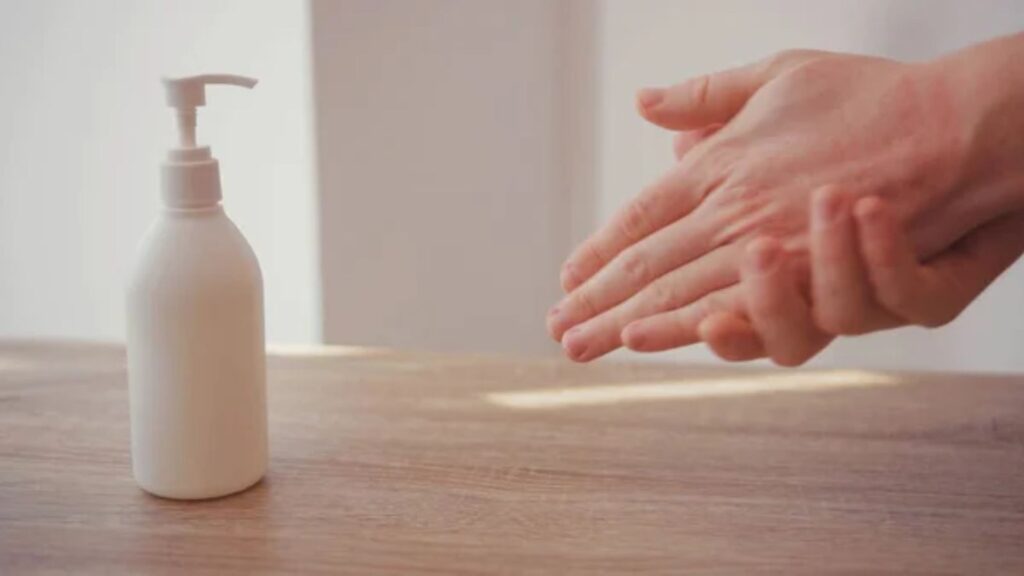
Sanitize Your Hands
If soap and clean water aren’t available, hydrogen peroxide can help reduce bacteria on your hands. It isn’t a replacement for proper handwashing, but it can be useful during emergencies.
Help With Minor Fungal Problems
Hydrogen peroxide is sometimes used on mild fungal issues, including athlete’s foot. While it won’t replace prescription treatments, it may help reduce bacteria and keep the affected area cleaner.
Remove Mold and Mildew
Mold can quickly become a problem in damp shelters, campers, or storage areas. Hydrogen peroxide can help remove mold from many hard surfaces and slow it from spreading.
Flush Dirt From the Eyes
A heavily diluted solution may be used to rinse away dirt or debris in an emergency, though plain sterile saline or clean water is much safer. If hydrogen peroxide is used, it must be diluted correctly, and medical attention should be sought if irritation continues.
Clean Insect Bites
Applying a small amount of hydrogen peroxide to bug bites or stings can help clean the skin and reduce the chance of infection from scratching. Some people also mix it with baking soda to create a paste that may soothe itching.
Sanitize Survival Gear
Knives, cooking utensils, multitools, and other equipment can all be wiped down with hydrogen peroxide to help reduce bacteria after use, especially if soap and hot water aren’t available.
Clean Water Bottles and Containers
A little hydrogen peroxide can help sanitize reusable bottles, food containers, and other storage items. Rinse thoroughly with clean water before using them again.
Clean the Outer Ear
Hydrogen peroxide is commonly used to soften earwax. A few drops may help loosen buildup, but it should never be used if you have ear pain, a damaged eardrum, or an active ear infection unless advised by a healthcare professional.
Dry Out Poison Ivy Rash
Some people dab hydrogen peroxide on poison ivy or poison oak rashes to help dry weeping blisters. It won’t remove the plant’s oils, but it may help keep the area clean while it heals.
Sanitize Toothbrushes
When replacing your toothbrush isn’t possible, soaking the bristles in hydrogen peroxide for a few minutes can help reduce bacteria and keep it cleaner between uses.
Wash Fresh Produce
Fruit and vegetables gathered from a garden or while foraging can be rinsed with a diluted hydrogen peroxide solution to help remove surface bacteria. Always rinse thoroughly with clean water before eating.
Help Seeds Sprout
Some gardeners soak seeds in a diluted hydrogen peroxide solution before planting. It can soften the seed coating, improve oxygen availability, and may encourage faster germination in certain varieties.