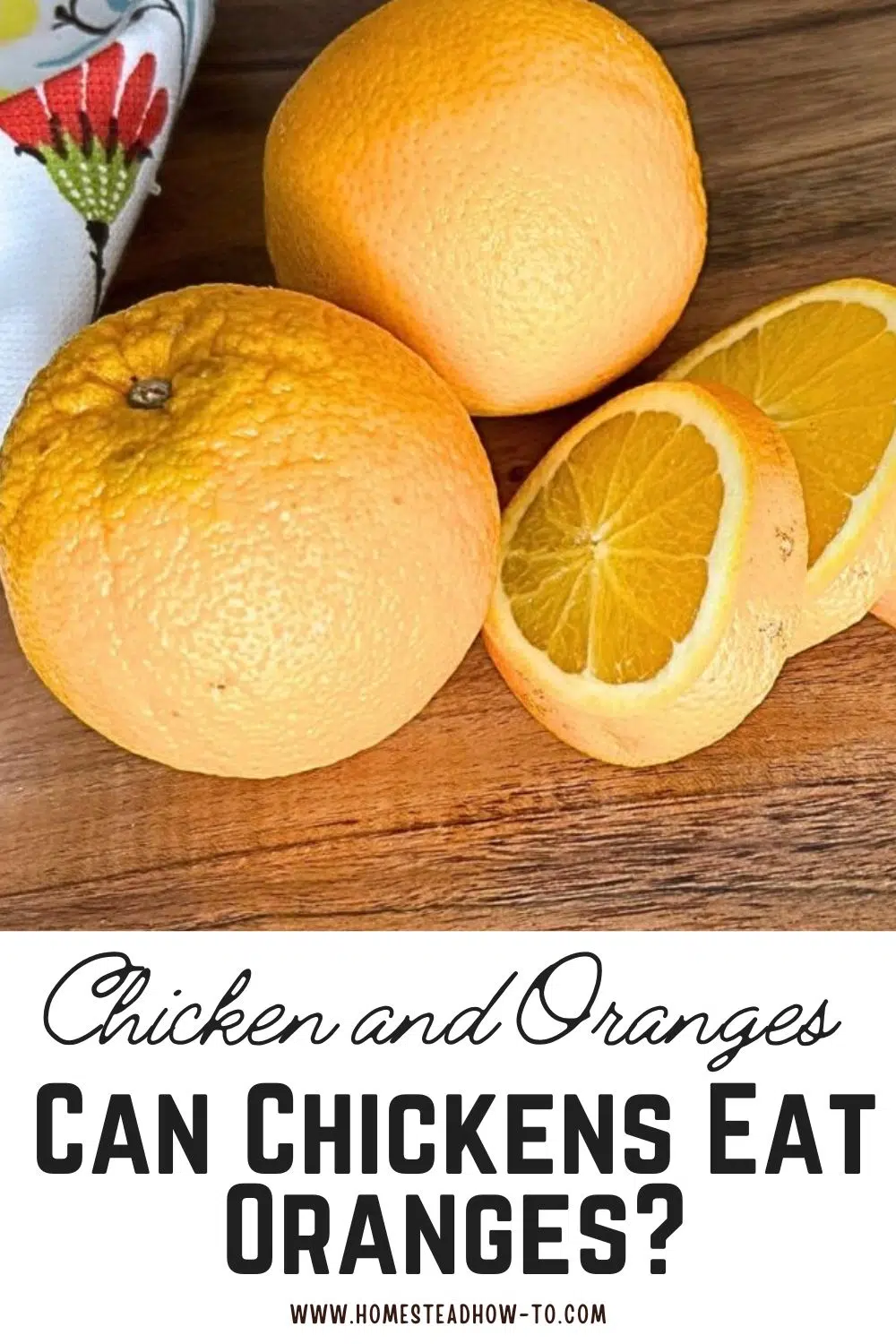
Chickens will eat just about anything you toss their way, from leafy greens and grains to leftover fruits and vegetables. But what about oranges? If you’ve ever offered your flock a few orange slices, you may have noticed that some chickens aren’t particularly interested.
But the fact is that adult chickens can eat oranges in small amounts. While citrus isn’t always their favorite treat, it’s generally safe when offered occasionally. However, oranges contain natural sugars and acids, so feeding too much could cause digestive upset, especially in chickens with sensitive digestive systems.
As with any treat, oranges should only make up a small part of your chicken’s diet. Here’s how much they can eat, and a few things to keep in mind before sharing them with your flock.

Are oranges safe for chickens to eat?
Yes, oranges are perfectly safe for chickens to eat. However, not all chickens like the strong citrus flavor.
Adding fruits like oranges to a chicken’s diet can offer some real benefits. Oranges are packed with vitamins, particularly vitamin C, which helps strengthen a chicken’s immune system and support their overall health. The fiber in oranges aids digestion and helps keep their digestive system running smoothly. Plus, the natural sugars give chickens a quick burst of energy, making oranges a nutritious and occasional treat for your flock.

Will chickens eat oranges?
Yes, chickens can eat oranges, but whether they’ll actually eat them depends on the bird. Some chickens will happily peck at a few orange slices, while others won’t touch them. If you’re offering oranges for the first time, start with small amounts and see how your flock responds.
Always offer fresh, thoroughly washed oranges to reduce dirt and potential pesticide residue. Remove any uneaten pieces before they spoil, and remember that fruit should be an occasional treat rather than a regular part of your chickens’ diet.
Do chickens like oranges?
Not all chickens enjoy citrus. Some seem to like the juicy flesh, while others prefer sweeter fruits or familiar treats. Every flock is different, so don’t be surprised if one chicken loves oranges while another ignores them completely.
Oranges contain natural sugar and acidity, so moderation is important. Too much fruit can upset a chicken’s digestive system and replace the balanced feed it needs. Adult chickens should get most of their nutrition from a complete chicken feed, with treats offered only occasionally.
Can chickens eat orange peels?

Orange peels aren’t considered toxic to chickens, but they’re tough, bitter, and not particularly appealing to most birds. Some chickens might peck at them, while others will leave them alone.
If you decide to offer orange peels, wash them thoroughly to remove dirt and reduce potential pesticide residue. Cut them into small pieces, and don’t be surprised if your chickens prefer the juicy fruit inside instead.
Can Baby Chicks Eat Oranges?
Baby chicks have sensitive digestive systems, so it’s best to avoid giving them oranges when they’re very young. During their first few weeks, they need a balanced chick starter feed to support healthy growth.
Once they’re older and eating appropriate solid foods regularly, you can introduce tiny amounts of orange as an occasional treat. Just make sure it doesn’t replace the protein and other nutrients they need from their regular feed.
Can Oranges Affect Egg Production?
Feeding your chickens a few pieces of orange occasionally shouldn’t affect their egg production. However, too many treats can throw off a chicken’s diet and reduce how much balanced feed they eat.
Laying hens need enough protein, calcium, and other nutrients to produce healthy eggshells. Whether your chickens lay brown or white eggs, a complete layer feed should provide most of their nutrition. You can also offer oyster shells separately to help laying hens meet their calcium needs.
How to feed oranges to chickens?

If you’d like to add oranges to your chickens’ diet, do it carefully and in moderation. Too much citrus can cause digestive issues because of its high acidity and sugar content, so start with small portions.
Begin by offering no more than a quarter of an orange per chicken each day. Make sure the oranges are fresh, ripe, and pesticide-free. Cut them open for easy access to the juicy flesh; either a knife or a sharp shovel will work.
Before serving, wash the oranges thoroughly to remove any wax or residue on the skin. Avoid feeding them the white pith or seeds, since these parts can be tough to digest and may cause problems if consumed in large amounts.
As you introduce oranges, watch your chickens for any signs of discomfort. If they seem to enjoy the treat without any issues, you can continue offering oranges occasionally as a nutritious addition to their diet.
Like other fruits, oranges contain natural sugars, and too much can contribute to digestive upset or crowd out more nutritious foods. A common guideline is to keep all treats combined to no more than about 10% of an adult chicken’s daily diet, with the remaining 90% coming from balanced chicken feed.