Having shelves full of food, water, and survival gear is a great start, but supplies alone won’t solve every problem. In a real emergency, your knowledge often matters just as much as what’s in your pantry. Knowing how to fix, build, grow, and improvise can help you stay safe and comfortable when resources are limited.
Some of these skills are easy to learn in an afternoon, while others take months of practice. The best time to start is long before you ever need them. Here are 17 DIY skills every prepper should have under their belt.

Basic Plumbing
A simple plumbing problem can become a major headache if you don’t know how to fix it. Learn how to shut off your home’s water supply, stop a leaking pipe, replace a faucet, unclog a drain, and repair a running toilet. Keep basic plumbing tools, such as a plunger, pipe wrench, and plumber’s tape, in your emergency supplies so you’re ready for common repairs.
Water Filtration and Purification
Clean drinking water is one of the first priorities during an emergency. Learn how to build a basic water filter using materials like sand, charcoal, and gravel to remove debris. Since filtration alone doesn’t make water safe to drink, you should also know how to boil or disinfect water before using it. Having several methods available gives you more options if clean water becomes difficult to find.
Fire Starting
Fire provides warmth, light, safe drinking water, and a way to cook food. Practice several methods instead of depending on just one. Matches, lighters, flint and steel, and magnesium fire starters are all good choices. It’s also worth practicing more traditional methods like a bow drill. Just as important is learning how to gather dry tinder and kindling so you can build a fire quickly in less-than-ideal conditions.
Basic First Aid
Every prepper should know how to treat cuts, burns, sprains, broken bones, and other common injuries. Learn how to clean and bandage wounds, make simple splints, and recognize situations that require more advanced care. These skills can make a big difference while waiting for professional medical help, or when help isn’t available.
Food Preservation
Knowing how to preserve food helps stretch your harvest and reduce waste. Learn how to can fruits and vegetables, dehydrate produce, smoke meat, and store foods for long-term use. It’s also smart to practice preserving food without electricity, using methods that have been relied on for generations.
Building a Shelter
Weather conditions can change quickly, and having shelter can make all the difference. Practice building simple shelters with tarps, rope, branches, or other natural materials. Learn how to build different styles, such as lean-tos and A-frame shelters, and understand which one works best depending on the weather and your surroundings.
Growing Your Own Food
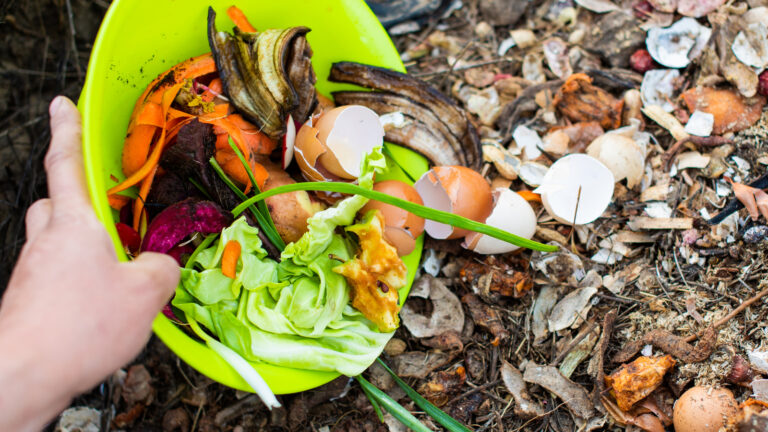
A productive garden can provide fresh food year after year. Learn how to prepare soil, start seeds, improve soil naturally, compost kitchen scraps, and deal with common garden pests without relying heavily on chemical products. Growing food takes practice, so the sooner you start, the better.
Tool Maintenance and Repair
Your survival gear is only useful if it stays in good working condition. Learn how to sharpen knives, replace axe handles, repair hand tools, and maintain equipment before it breaks down. Taking care of your gear helps it last much longer and saves money in the process.
Making Soap
Soap is something most people take for granted until it’s no longer available. Learning to make it from lye, fats, and oils gives you a reliable way to maintain good hygiene. Once you know the basics, you can experiment with different recipes using ingredients you already have.
Natural Medicine
Many common plants have been used for generations to help treat minor illnesses and injuries. Learn how to identify useful medicinal plants in your area and prepare simple teas, salves, tinctures, and poultices. A printed field guide is worth keeping in your library since you won’t always have access to the internet.
Butchering and Preserving Meat
If you hunt or raise livestock, you’ll need to know how to process meat properly. Good butchering techniques reduce waste and help you get the most from every animal. Learning how to smoke, cure, or dry meat also gives you ways to store it without refrigeration.
Making Homemade Candles
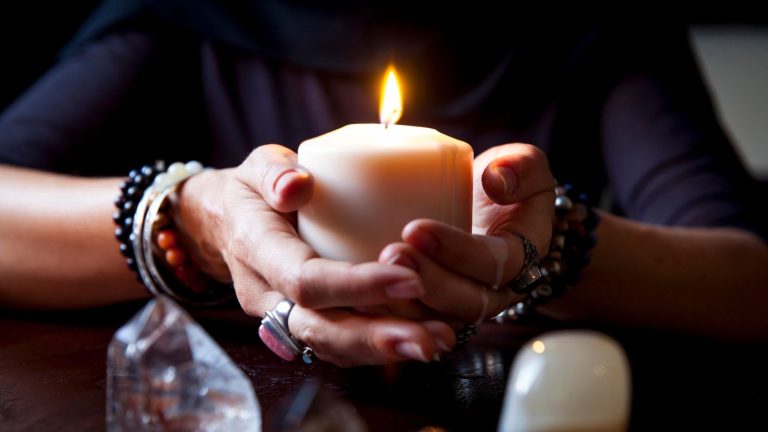
Candles provide dependable light during power outages and can also supply a small amount of heat. They can be made from
Sewing
A torn backpack, ripped jacket, or damaged tent doesn’t always need to be replaced. Basic sewing skills let you repair clothing, gear, sleeping bags, and other fabric items. Keep needles, thread, patches, buttons, and heavy-duty fabric on hand for quick repairs.
Knots and Rope Work
A few well-chosen knots can solve dozens of problems. Learn useful knots such as the bowline, clove hitch, square knot, and taut-line hitch. These knots come in handy for building shelters, securing loads, hanging food, or setting up camp.
Fishing
Fishing can provide a steady food source if other supplies run low. Learn different fishing methods, practice cleaning fish, and know how to make simple fishing gear from basic materials. Having several ways to catch fish gives you more flexibility in different environments.
Hunting
Hunting takes patience, observation, and practice. Learn how to read animal tracks, recognize feeding areas, and understand seasonal movement patterns. Just as important is learning where to place an ethical shot and how to process game safely after the harvest.
Archery
A bow can be a dependable hunting tool that doesn’t rely on manufactured ammunition. Becoming a skilled archer takes regular practice, but it’s a valuable addition to any prepper’s skill set. Learning how to maintain your bow and arrows is just as important as improving your aim.