
Getting prepared doesn’t have to cost a fortune. In fact, some of the best prepping habits save money instead of draining your budget. Growing your own food, repairing what you already own, and making better use of everyday resources can help you become more self-reliant while keeping expenses under control.
Whether you have a large homestead, a small backyard, or just a few containers on a patio, these budget-friendly ideas can help you build a stronger safety net without overspending.
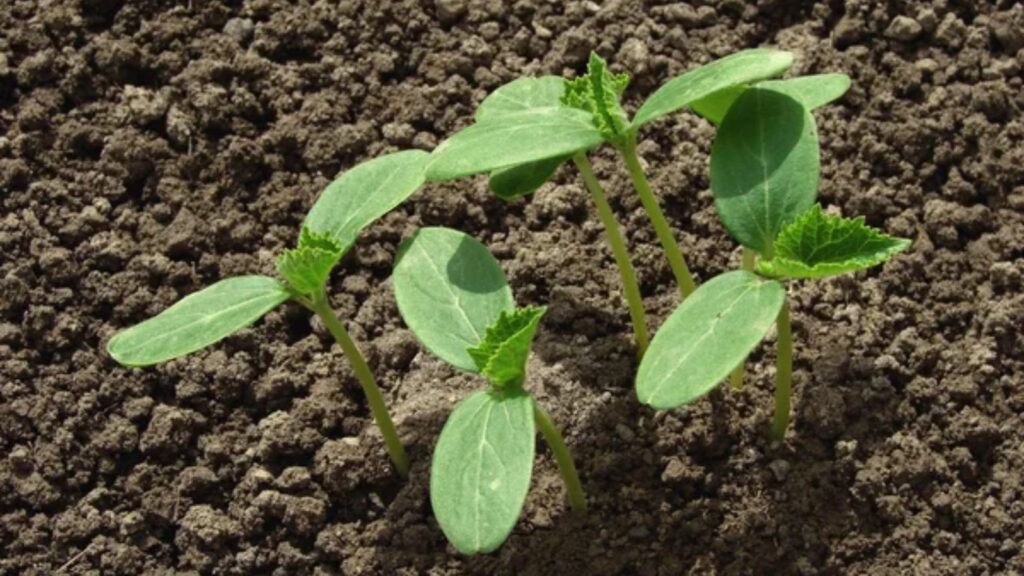
1. Grow Your Own Food
Growing your own food is one of the easiest ways to lower your grocery bill while becoming less dependent on the supermarket. You don’t need acres of land to get started, either. A few raised beds or containers can produce tomatoes, beans,
If you have extra space, planting fruit trees or berry bushes is a smart long-term investment. Once established, they’ll produce food year after year with very little effort.
2. Save Seeds
Saving seeds from your best plants is an easy way to cut gardening costs. Once you’ve done it a couple of times, you’ll wonder why you ever bought new seeds every season.
Collect seeds from healthy, productive plants after harvest and store them in a cool, dry place until the next growing season. Tomatoes, peppers, beans,
3. Start a Compost Pile
Store-bought compost and fertilizer can get expensive, especially if you have a large garden. Composting turns everyday yard waste and kitchen scraps into rich soil that helps your plants thrive.
Fruit and vegetable scraps, coffee grounds, eggshells, dry leaves, grass clippings, shredded cardboard, and aged animal manure all make great additions. Skip meat, dairy, and oily foods since they tend to attract pests.
If you need more material, ask neighbors if they’d like to get rid of their leaves or grass clippings. Many people are happy to have someone haul them away.
4. Preserve Your Harvest
When your garden starts producing more than you can eat, preserving the extra food keeps it from going to waste. Canning, freezing, dehydrating, and fermenting all help extend the life of fresh fruits and vegetables while reducing future grocery trips.
Tomatoes become pasta sauce, cucumbers turn into pickles, herbs can be dried for later use, and berries freeze well for smoothies or baking. A little work during harvest season can fill your pantry and freezer for months.
5. Trade with Friends and Neighbors
You don’t have to do everything yourself. Trading goods and skills with people in your community can save money while helping everyone get what they need.
If your chickens produce more eggs than your family can eat, trade the extras for
Strong local connections often become just as valuable as the supplies you store.
6. Buy in Bulk
Stocking up on pantry staples like rice, beans, oats, and flour can lower the cost per unit and reduce how often you need to shop. These foods store well and form the base of many simple meals.
If possible, team up with friends or neighbors to buy larger quantities together. Splitting bulk orders can open access to wholesale pricing without needing a large household supply space.
7. Reuse and Repurpose What You Have
A lot of useful items already sitting around the house can be given a second life. Old containers can become storage jars, worn clothing can turn into cleaning rags, and scrap wood can be reused for garden projects.
Wooden pallets can be turned into compost bins, garden beds, or fencing. Even broken tools sometimes still have usable parts. Thinking in terms of reuse helps reduce spending while keeping materials out of the trash.
8. Make Your Own Cleaning Supplies
Many store-bought cleaners are more expensive than necessary and often contain strong chemicals. Simple household ingredients can handle most cleaning jobs just as well.
Vinegar works for cutting grease and removing odors, baking soda helps scrub surfaces, and lemon juice adds a fresh scent. Mixed together in different combinations, they can replace many commercial products and cost far less over time.
9. Use Renewable Energy Where Possible
Energy costs keep rising, and even small changes in how power is used can make a difference. Small-scale solar setups, wind systems, or hydro options can help reduce reliance on the grid.
Even without a full system, simple solar lights, chargers, or backup
10. Collect Rainwater
Rainwater is a free resource that often goes unused. Setting up barrels or tanks to collect runoff from roofs can provide water for gardens, livestock, and outdoor cleaning tasks.
In some areas, filtered rainwater can also be used for household needs, depending on local rules and proper treatment systems. Even a basic setup can reduce water bills and help during dry periods.
11. Learn Foraging Skills
Wild spaces often hold more edible plants than people realize. Depending on your region, you may find berries, nuts, greens, mushrooms, and herbs growing naturally without any cost.
Getting started takes care, since some plants look similar to toxic ones. A local guidebook or an experienced forager can help you learn what’s safe to harvest in your area. Once you understand what to look for, foraging can add variety to your diet without adding expense.
12. Build a Root Cellar
Root cellars offer a simple way to store food without electricity. Many crops like potatoes,
You don’t need anything elaborate to get started. A basement corner, buried container, or shaded underground space can work well. This method has been used for generations to stretch harvests through the colder months.
13. Learn Basic DIY Repairs
Repair skills save money over time. Fixing a leaky pipe, patching a roof, maintaining tools, or repairing fences are all tasks that can be learned with practice.
With so many tutorials available online, small repairs that once required hiring help can often be handled at home. Building these skills slowly reduces long-term costs and increases independence.
14. Raise Dual-Purpose Animals
If you have the space and resources, raising animals that provide more than one benefit can make your setup more efficient. Chickens can supply both eggs and meat, while goats and sheep offer milk, meat, and manure for composting.
Choosing breeds suited to multiple purposes helps maximize output from fewer animals while reducing overall upkeep costs.
15. Grow a Herbal Medicine Garden
A small herb garden can go beyond cooking. Plants like chamomile,
Growing these herbs gives you easy access to natural options for minor issues like stress, colds, or skin irritation. Even a few pots on a windowsill can provide enough herbs for everyday use throughout the year.