Garages have a way of becoming the dumping ground for things we don’t know where else to put. An old chair gets pushed into a corner, leftover paint sits on a shelf, and cardboard boxes from online orders pile up near the door.
Before long, the garage fills with forgotten belongings, leaving barely enough room for the car. Some of those items may still be useful, but plenty are just taking up space and collecting dust.
Here are 14 things worth removing from your garage.
1. Old Paint
It’s tempting to keep leftover paint for future touch-ups, but those half-empty cans can sit around for years without ever being used. Check what you have and keep only the paint that’s still usable and likely to come in handy.
Dispose of dried-out paint and cans you no longer need according to local waste guidelines. A little leftover paint in a matching color can be useful for small repairs, so there’s no need to get rid of every can.
2. Broken and Damaged Furniture
That old chair or wobbly table might have been a repair project you planned to tackle a few years ago. If it’s still sitting in the same spot and you haven’t made any progress, it may be time to let it go.
You can dispose of furniture that’s beyond repair, while usable pieces may find a new home through donations or online listings. Give yourself a deadline for any furniture you genuinely plan to fix so it doesn’t sit in the garage indefinitely.
3. Cardboard Boxes
Online shopping makes it easy to collect more cardboard boxes than you could ever use. Saving a few sturdy ones for storage or an upcoming move is reasonable, but keeping every box just in case takes up valuable space.
Break down the extras and recycle them according to your local guidelines. You’ll probably free up more room than you expected once those stacks are gone.
4. Leftover Construction Materials
Home improvement projects often leave behind extra lumber, tiles, bricks, roofing shingles, and patio stones. Some of these materials are worth keeping for future repairs, but there’s little point in storing piles of supplies without a plan to use them.
Keep a small selection of useful leftovers and sort out the rest. Check whether local donation centers, building material reuse stores, or recycling facilities will accept them.
5. Old Garden Supplies
The garage often becomes the place where worn-out gardening supplies end up after the growing season. Take a look at your collection of hoses, flowerpots, gloves, sprinklers, and hand tools.
If they can’t be repaired or reused, toss cracked pots, leaky hoses, torn gloves, and broken tools. If you haven’t used certain supplies in several gardening seasons, ask whether you still need them.
Related: 14 Emergency Supplies Every Prepared Household Should Have
6. Nonworking Appliances
An old refrigerator, microwave, coffee maker, or dishwasher can take up a surprising amount of garage space. These appliances sometimes stay around because nobody has decided whether to repair, sell, or discard them.
If an appliance still works, consider selling it or donating it to an organization that accepts used equipment. Broken or outdated models should go through an appropriate appliance recycling or disposal program rather than being left in a corner indefinitely.
You can also check resale sites such as OfferUp to see whether your working appliances have any value.
7. Old Newspapers and Magazines
Stacks of old newspapers and magazines can quickly turn into bulky piles that nobody ever looks through. Keeping a few issues from an important family event or memorable historical date makes sense, but there’s little reason to keep years of everyday publications.
Sort through your collection and set aside anything with personal or historical value. Recycle the remaining papers, if your local recycling service accepts them.
Related: 15 Low-Cost Supplies Every Budget-Conscious Prepper Should Consider
8. Old Tires
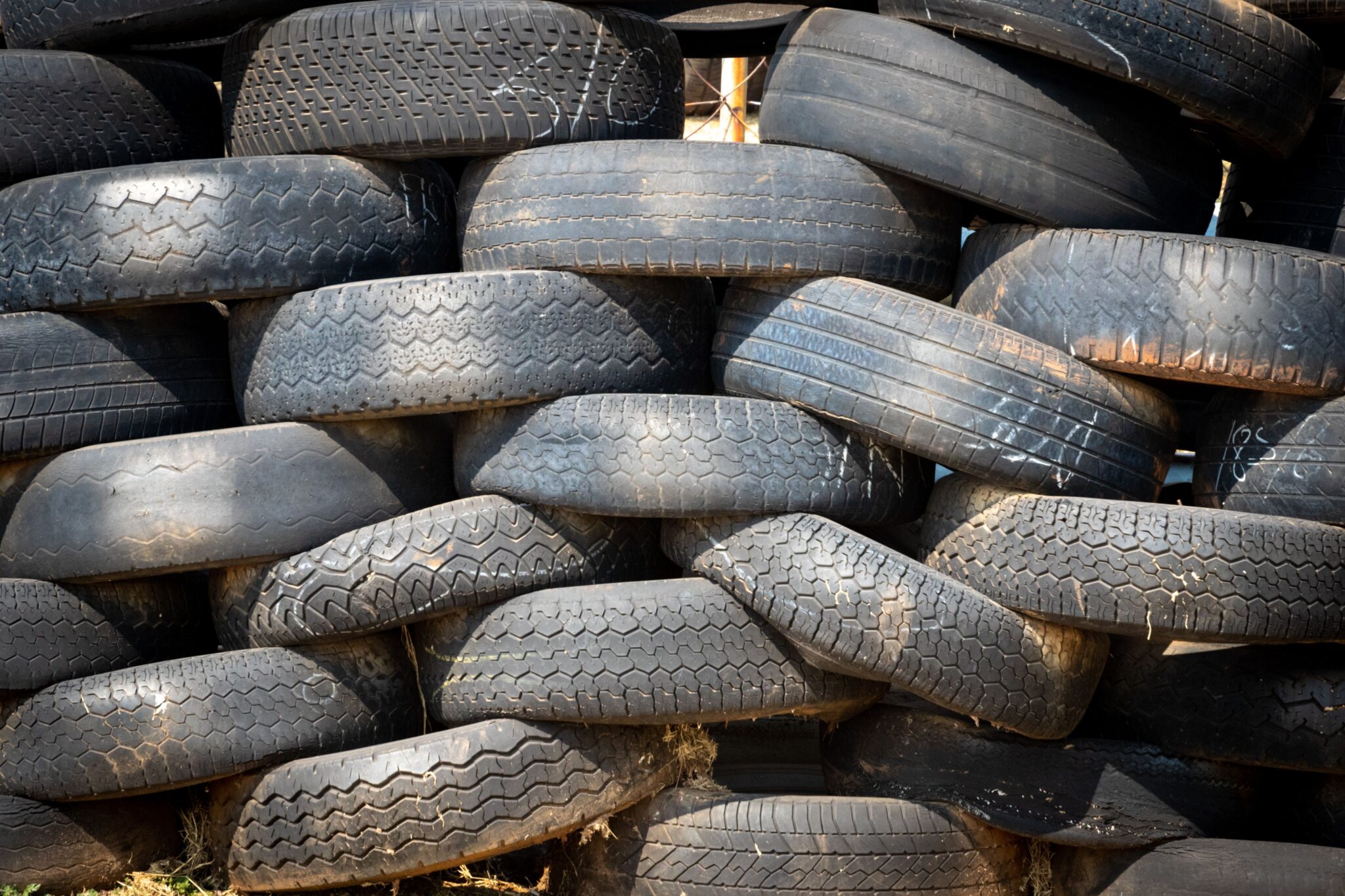
Old car and bicycle tires can take up a lot of room, especially if you’ve been saving them without a plan for reuse. If they’re no longer usable, there’s little reason to let them sit in your garage.
Don’t put old vehicle tires in your regular household trash. Check with local tire shops, recycling centers, or waste facilities to find out where you can drop them off.
9. Outgrown Baby Items
Children outgrow clothes, toys, strollers, high chairs, and other baby equipment surprisingly quickly. Before long, the garage can end up holding several boxes of things your family no longer needs.
You can donate, sell, or pass along clean items in good condition to another family. Check recalls and current safety recommendations before giving away car seats, cribs, or other safety-related products, and don’t pass along damaged or expired equipment.
10. Old Paperwork
Receipts, utility bills, instruction manuals, and other paperwork can accumulate in storage boxes without anyone noticing. Go through those boxes and separate documents you still need from papers you can shred or recycle.
Keep important records somewhere dry and secure, not in a garage where heat and moisture can cause damage. If you don’t need a physical copy, scanning certain documents can reduce storage clutter.
11. Rusty and Broken Tools
Every garage seems to have a few tools that haven’t worked properly in years. Look through your collection for rusty screwdrivers, damaged hammers, broken power tools, rakes with missing tines, and duplicates you never use.
Some tools may be worth repairing or sharpening, but others are simply past their useful life. Getting rid of the ones you can’t fix will make it easier to find the tools you actually need.
12. Clothes You No Longer Wear
Boxes of old clothes can sit in the garage for years, especially when you pack them away and forget about them. Take everything out and check whether the items still fit, are wearable, or have any realistic chance of being used again.
Clothes with permanent stains, holes, or lingering odors may need to go. Pieces in good condition can be donated or sold, while worn-out cotton clothing may be cut into cleaning rags.
13. Outdated Electronics
Old phones, computers, televisions, DVD players, VHS tapes, and cassette players can quickly turn into a collection of forgotten electronics. Some older devices may have resale or collectible value, but many just take up shelf space.
Check whether working equipment can be sold or donated before getting rid of it. Take broken electronics to an approved e-waste recycling facility instead of tossing them in your regular trash.
14. Unused Fitness and Sports Equipment
Old bicycles, exercise machines, golf clubs, camping gear, and sports bags can occupy a lot of garage space. If you haven’t used certain equipment in several years, ask yourself whether you’ll realistically use it again.
Sports and fitness gear in good condition may be worth selling or donating to someone who needs it. Repair broken, worn-out, or unsafe equipment if possible, or dispose of it through the proper channels.