When a major storm is approaching, or an emergency is announced, people tend to rush to the grocery store for the same things. Bottled water, canned food, batteries, and toilet paper are usually at the top of the shopping list.
But what about everything else you might need if the power stays out for days, grocery stores close, or running water becomes unavailable?
Some of the most useful emergency supplies aren’t expensive or difficult to find. They’re everyday household items that are easy to overlook until you suddenly need them.
Here are 13 things worth keeping on hand before an emergency happens.
1. Salt
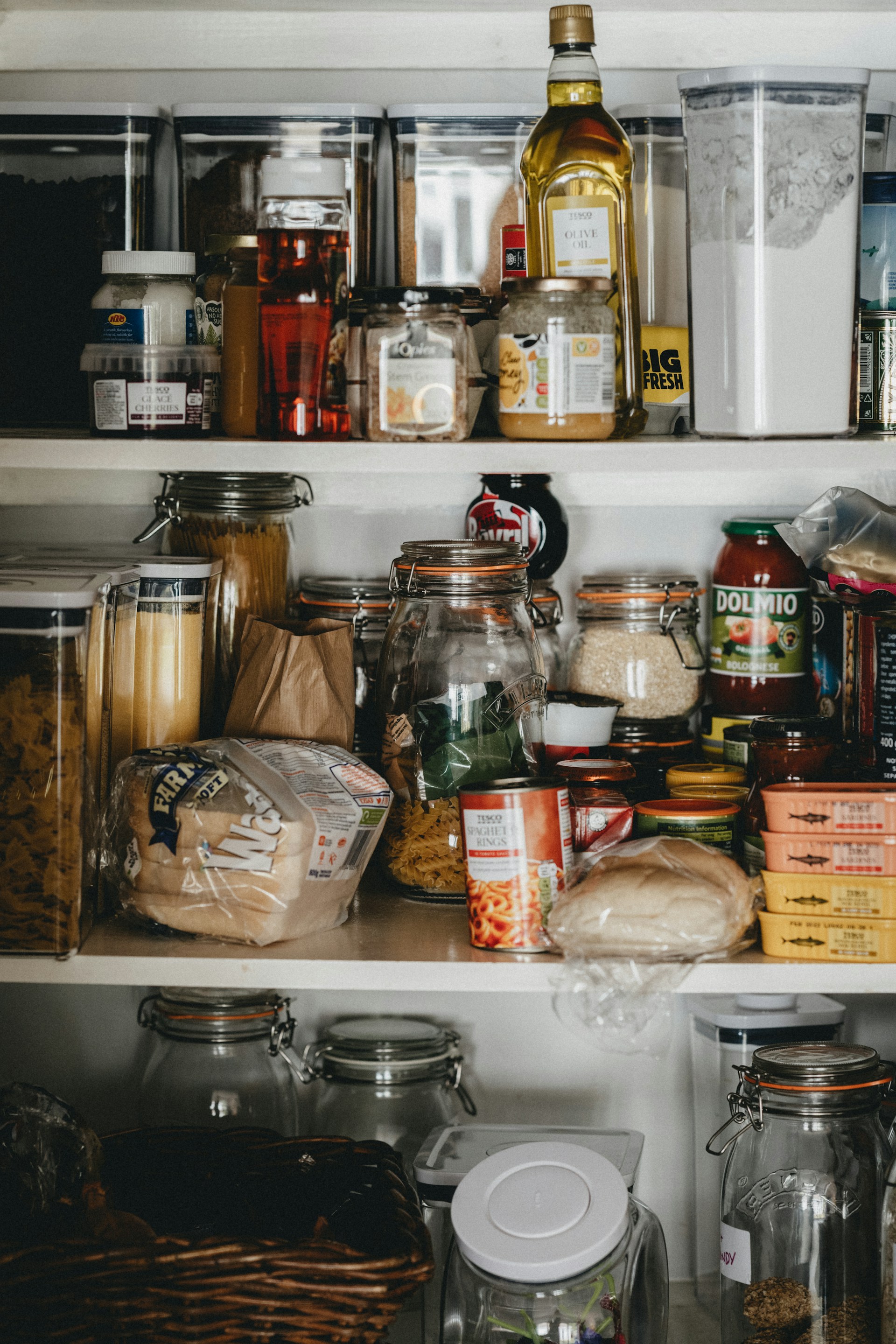
Salt is one of those inexpensive pantry staples that’s easy to take for granted, but it can be surprisingly useful during an extended emergency. Beyond seasoning food, salt has historically played an important role in food preservation, although safely curing meat requires proper methods and more than simply covering it with salt.
2. Soap and Personal Hygiene Products
People often remember toilet paper when stocking up, but soap, toothpaste, deodorant, and other personal care products don’t always get the same attention. Hygiene becomes especially important during emergencies when running water may be limited, making extra soap, toothbrushes, toothpaste, and baby wipes worth keeping on hand.
3. A Manual Can Opener
Imagine stocking your pantry with canned beans, vegetables, soups, and meat, only to realize your electric can opener won’t work during a power outage. A manual can opener is inexpensive, doesn’t require electricity, and can save you plenty of frustration when you need to prepare a meal. Keeping a backup is also worth considering in case your primary opener breaks or goes missing.
4. Flour and Yeast
Bread is often one of the first things people grab before a major storm, but basic baking ingredients can be just as valuable. Flour and yeast allow you to make bread and other foods at home, provided you have water and a safe way to cook.
One prepper on Reddit pointed out, “Hurricanes here mean people take all of the bread and no one takes flour.”
5. Feminine Hygiene Products
Pads, tampons, and other menstrual products are easy to overlook when shopping for emergency food and water. Having enough supplies for several weeks can be particularly helpful if stores close or travel becomes difficult. Reusable products may also be an option, provided you have access to safe water and can clean them properly.
6. Pet Food and Supplies
When preparing for an emergency, it’s easy to focus on what the people in your household will need and forget about the animals. Along with extra pet food, consider keeping enough water, medications, litter, and other essentials to last through an extended disruption. Pets may have specific dietary needs, so relying on whatever human food happens to be available isn’t always safe.
7. First-Aid Supplies
A basic first-aid kit is useful, but it may not contain enough supplies for an extended emergency. Extra bandages, gauze, medical tape, and other items for treating minor injuries can be especially helpful when stores or medical services are hard to access. It’s also worth checking expiration dates and replacing anything you’ve already used.
8. Cooking Oil
Canned food, rice, and dried beans may get most of the attention, but cooking oil is another pantry staple worth keeping on hand. It provides dietary fat and calories and can help you prepare meals from basic ingredients. Just remember to store it properly and rotate your supply since cooking oil can eventually turn rancid.
9. Spices and Seasonings
Eating the same basic meals for days or weeks can get old quickly, especially if you’re relying heavily on rice, beans, and canned vegetables. Spices, hot sauce, and other seasonings can make simple emergency meals more enjoyable, while whole spices generally retain their flavor longer than ground varieties.
10. Vegetable Seeds
Food storage can help you get through a short-term emergency, but growing your own food may become useful if access to fresh produce is limited for an extended period. Keeping vegetable seeds and basic gardening supplies on hand is a good starting point, although successful gardening takes time, water, space, and practice. Learning how to grow food before an emergency is far more useful than waiting until you need it.
11. Heavy-Duty Trash Bags
Trash bags might not seem like an emergency supply, but they can become especially important when regular garbage collection or plumbing services are interrupted. Heavy-duty bags can help manage waste, separate dirty clothing, and keep living spaces sanitary. If toilets stop working, having a proper emergency sanitation plan becomes particularly important.
12. Basic Tools and Repair Supplies
A storm can leave you dealing with a broken window, damaged furniture, or another household problem that needs immediate attention. Items such as duct tape, a hammer, screwdrivers, work gloves, nails, and screws can help with temporary repairs when hardware stores are closed.
As one Reddit commenter suggested, “Ask yourself how you would provisionally repair a broken window, for example.”
13. Over-the-Counter Medications
Food and water are important, but headaches, allergies, stomach problems, and minor illnesses don’t stop just because there’s an emergency. Keeping a reasonable supply of over-the-counter medications and other basic medical necessities can help you manage common health needs. It’s also worth reviewing any prescription medications your household depends on and discussing emergency refill options with your pharmacist or healthcare provider.