With grocery prices taking up more of the household budget, nobody wants to throw away food they barely had time to eat. A few small changes to how you store and use your groceries can help keep food fresh longer and cut down on waste.
You don’t need special storage gadgets or complicated routines to make a difference. These simple habits can help you get more out of every grocery trip.
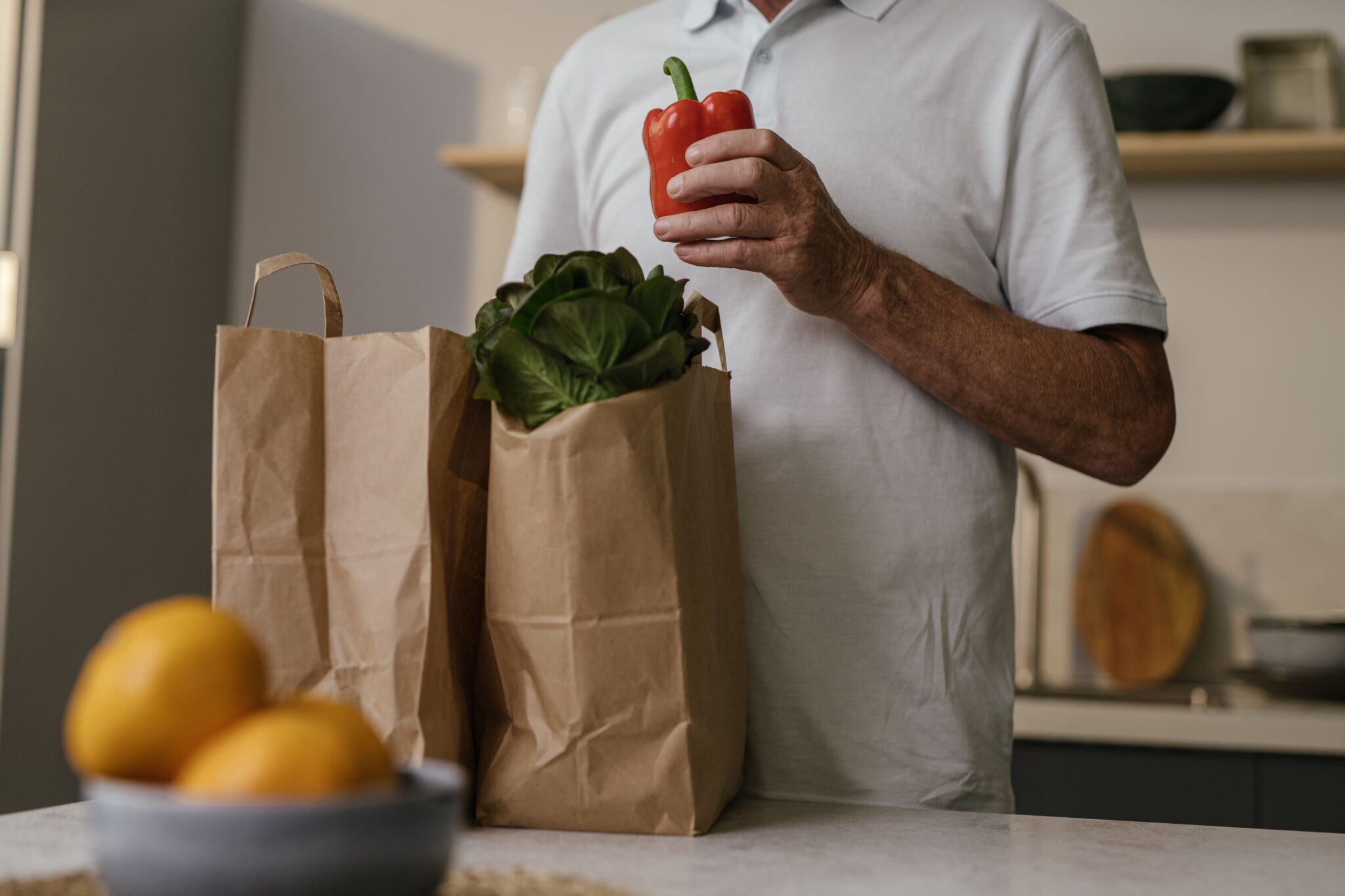
Inspect Fruits Regularly
Check your fruit every few days for mold, bruises, soft spots, or signs that it’s starting to spoil. Remove damaged pieces right away so they don’t affect nearby fruit.
This is especially helpful with berries, peaches, and other delicate fruits that tend to go bad quickly. A quick check can save you from finding an entire container of spoiled fruit in the refrigerator.
Delay Washing Produce
Washing fruits and vegetables before storing them can leave behind moisture that encourages mold. For many types of produce, it’s better to wash them just before eating or cooking.
Some fruits and vegetables have different storage needs, so check what’s recommended for each type. If you wash produce ahead of time, dry it thoroughly before storing it.
Separate the Bananas
If you rarely finish a bunch of bananas before they turn brown, try separating them instead of leaving them attached. You can also wrap the stems with a small piece of plastic wrap, a common trick that may slow ripening.
Keep bananas away from other fruits if you’re trying to slow the ripening of nearby produce.
Related: 11 Reasons Banana Peels Are the Secret Ingredient Your Garden Needs
Eat Leftovers
Leftovers can save you from preparing another meal, but they’re easy to forget when tucked away in the refrigerator. Set aside time to eat them within the recommended storage period instead of letting them sit until they’re no longer safe.
Place leftovers in shallow, covered containers and write the date on each one. Keeping them near the front of the refrigerator also makes them easier to remember.
Use Airtight Containers
Once you’ve opened a package, transfer the contents to a clean, airtight container if the food calls for it.
A good seal can keep dry foods from going stale and help prevent spills. Just make sure the container suits the type of food you’re storing.
Use Clear Containers
Clear containers let you see what’s inside without opening every lid. This can be especially helpful for leftovers, chopped produce, and opened packages.
Food often gets forgotten when it’s hidden behind other items in the refrigerator or pantry. Keeping it in plain sight makes it easier to use before it spoils.
Monitor Food Dates
Food labels can be confusing, especially when you see phrases like “Best By,” “Sell By,” and “Use By.” Many dates relate to food quality, but that doesn’t mean every item is safe to eat long after its date.
For refrigerated foods, follow recommended storage times and keep your refrigerator at a safe temperature. Don’t depend on smell or appearance alone to judge whether perishable food is safe, since harmful bacteria may not cause noticeable changes.
Set Your Fridge to the Right Temperature
Keep your refrigerator at 40°F (4°C) or below to slow bacterial growth. If your fridge doesn’t display its temperature, keep an inexpensive appliance thermometer inside to check it.
Avoid filling the shelves so tightly that cold air can’t circulate around the food. A little space between items helps the refrigerator maintain a consistent temperature.
Avoid Storing Perishables in the Refrigerator Door
The refrigerator door warms up more often because you open it throughout the day. This makes it a poor storage spot for foods that need steady, cold temperatures.
Keep milk, fresh meat, seafood, and other highly perishable foods on the main shelves or in the recommended storage area. The door is better suited to condiments and other items that can handle small temperature changes.
Batch Cook and Freeze
Making extra food can save time on busy days, but leaving too many portions in the refrigerator can lead to waste. Freeze what you won’t eat within the recommended storage period.
Divide cooked food into meal-sized portions and place them in freezer-safe containers or bags. Add the date so you know how long each portion has been stored.
Make a Smoothie Bowl
Fruit that’s getting very ripe can still be useful in the kitchen. Soft bananas, berries, mangoes, and similar fruits are great additions to smoothies and breakfast bowls.
Remove any moldy or spoiled fruit rather than trying to use it. You can also freeze ripe fruit in portions before it goes bad and use it later for blended drinks or other recipes.
Dry Fresh Herbs
Fresh herbs can lose their quality quickly in the refrigerator, especially if you bought more than a recipe calls for. Drying them lets you keep the extra for future meals.
Basil, mint, rosemary, and thyme can all be dried with the right methods. Once the leaves are completely dry, store them in an airtight container away from heat and direct sunlight.
Opt for Frozen Fruits and Vegetables
If fresh produce often spoils before you use it, frozen options can help cut down on waste. Frozen fruits and vegetables are usually processed soon after harvest, so they retain much of their nutritional value.
You can take out only what you need and leave the rest in the freezer. Frozen berries, peas, corn, spinach, and mixed vegetables are handy to keep around for smoothies, side dishes, and quick meals.