There was a time when saving money was simply part of everyday life. People repaired things instead of replacing them, made meals from whatever they had on hand, saved leftovers, and found ways to make just about everything last a little longer.
Many of these habits were especially common during the Great Depression, when families had little choice but to stretch every dollar. Over time, convenience took over, and some of those everyday money-saving practices slowly disappeared.
But as grocery and household costs keep pressuring budgets, some of these old-fashioned habits are worth another look. Here are 12 things people used to do to save money that we rarely do anymore.
1. Grow Some of Your Own Food
A small garden can help lower your grocery bill without requiring a large yard or a lot of equipment. A few containers of tomatoes, herbs, peppers, or leafy greens can provide fresh produce throughout the growing season.
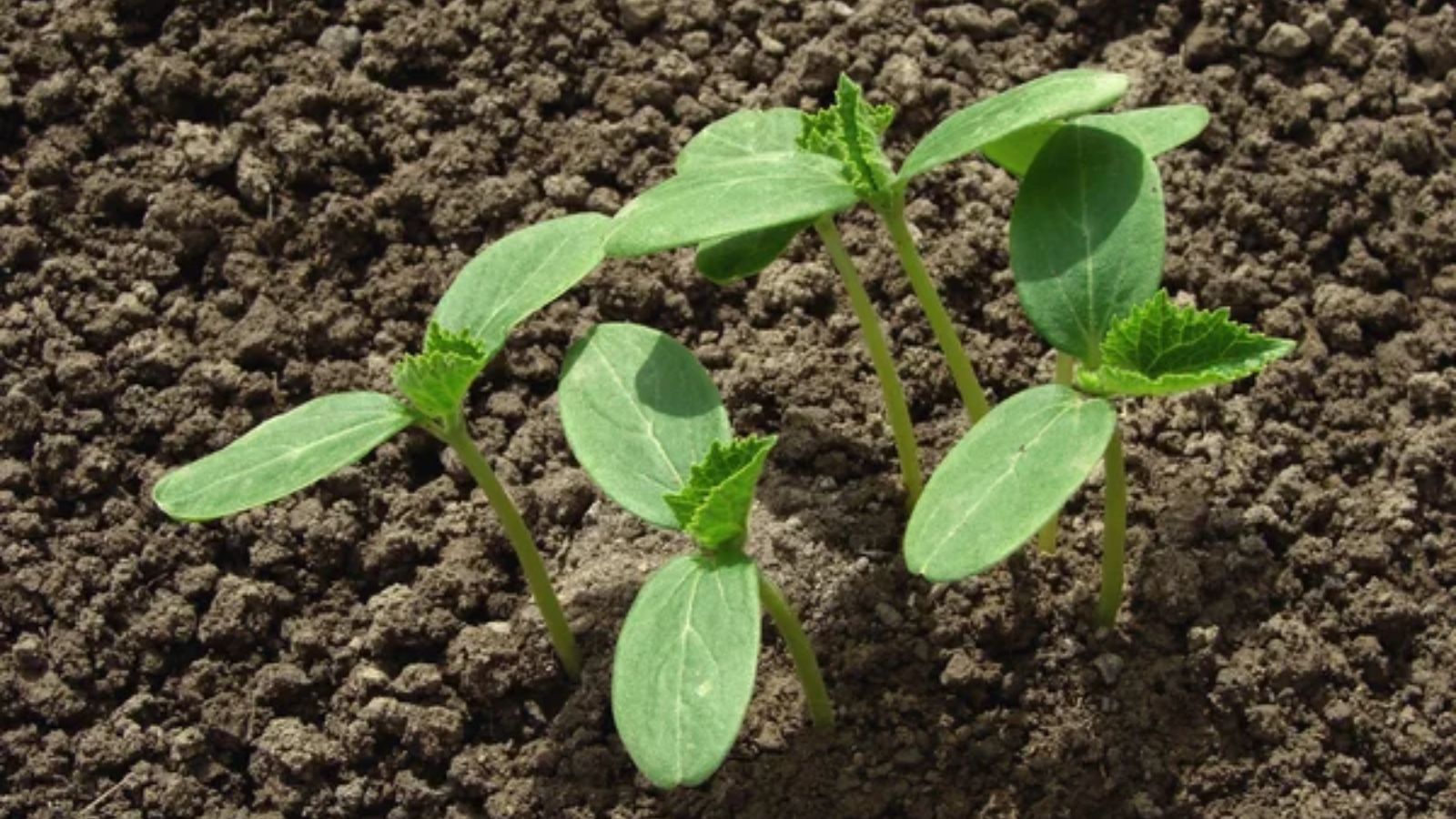
Starting vegetables from seed can cost less than buying established plants, especially if you save seeds and grow the same varieties again. Fishing is another way to bring home food, and this beginner’s guide explains how to get started.
Related: 17 Ways Hydrogen Peroxide Can Help With Everyday Household Problems
2. Raise a Few Animals
If you have the space and local rules allow it, raising a few animals can provide another food source. Chickens are a common choice because they can supply eggs, and some households also raise them for meat.
Other options include goats and rabbits, depending on your property and experience. This guide to raising meat chickens covers some basics for anyone considering that option.
Related: 13 Unexpected Ways Rubbing Alcohol Can Help Around the House
3. Preserve Your Harvest
A productive garden can leave you with more vegetables than you can eat at once. Preserving the extra lets you use that food long after the growing season ends.
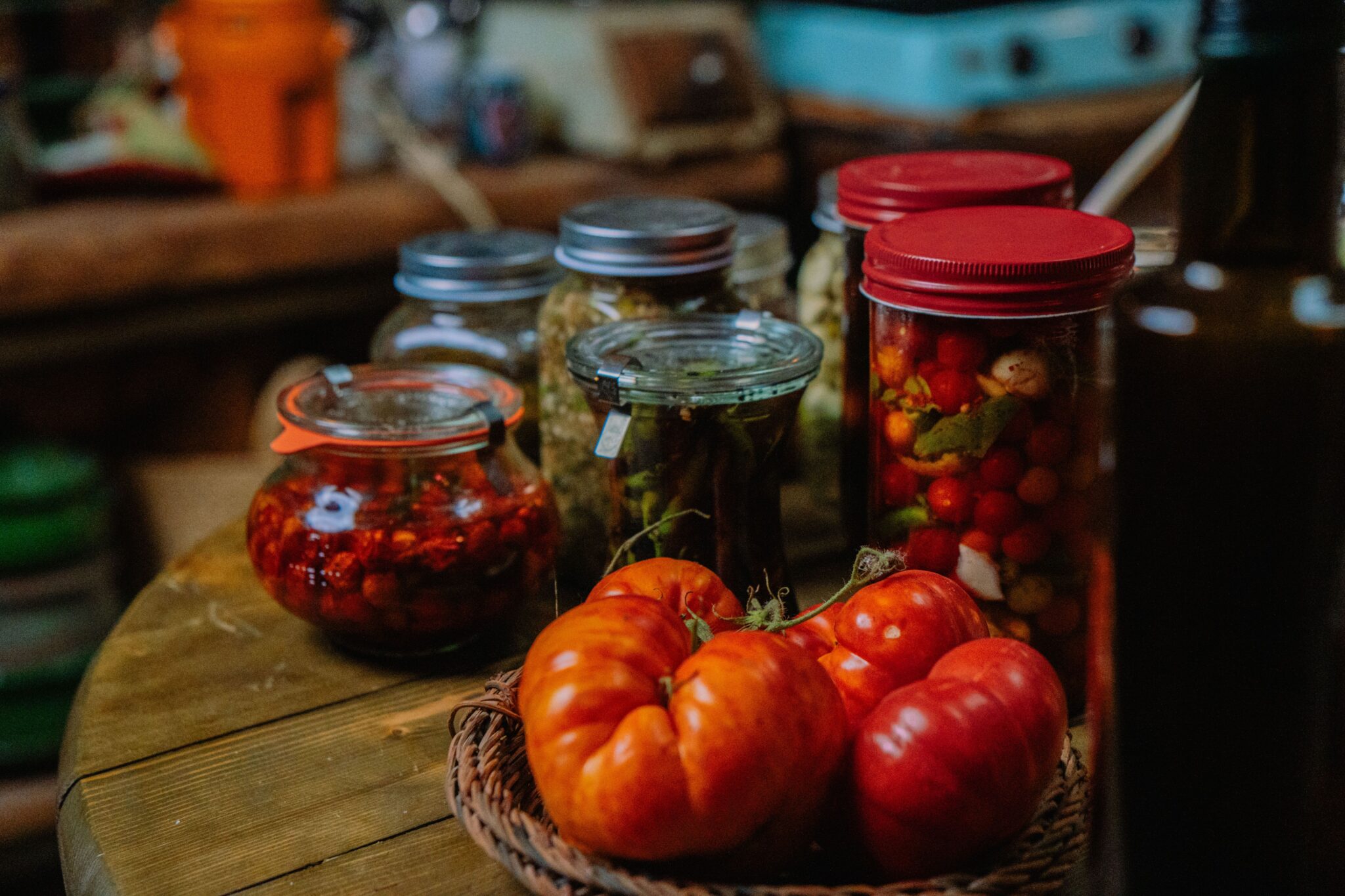
Learn safe methods for canning sauces, salsa, jams, and other foods, and explore which vegetables freeze well and how to store root vegetables. Garlic is another useful crop for storage, and this guide explains how to grow a year’s supply.
A vacuum sealer can also help if you buy meat in bulk or freeze homegrown produce. Removing excess air helps reduce freezer burn and keeps food in better condition.
4. Find New Uses for Leftovers
Throwing away food that could have become another meal is an easy way to waste money. A roast from dinner can become sandwiches, soup, hash, or a casserole the next day.
Extra vegetables can go into omelets, stews, or soups. Before tossing leftovers, check whether you can use them for lunch or add them to another meal.
5. Learn to Forage Safely
Wild plants can add to the food you grow and buy, but eating something found outdoors carries risks. Some edible plants have poisonous lookalikes, and misidentifying one can cause serious illness.
Learn from reliable field guides, local experts, or hands-on classes before eating wild plants. You can also grow flowers that attract pollinators and wildlife with these 10 reasons to plant a wildflower garden.
6. Buy Pantry Staples in Larger Quantities
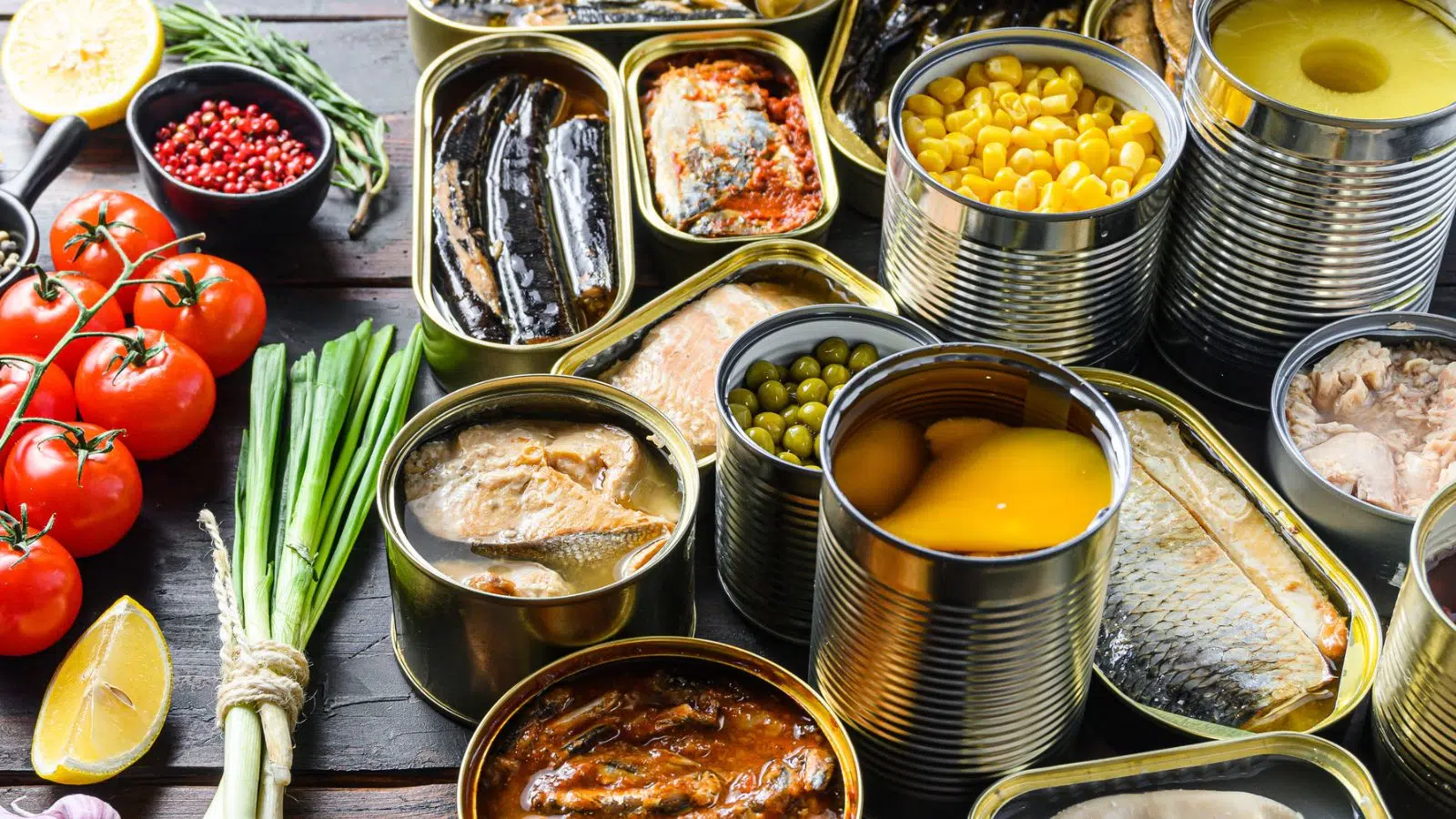
Buying larger packages can lower the per-pound price of foods you use often. Rice, oats, beans, flour, and pasta are common pantry staples that may cost less in bulk.
Good storage matters, so keep dry foods in airtight, food-safe containers away from moisture and pests. Mason jars work well for smaller amounts, and you can find Mason jars here.
For larger quantities, use containers that fit your storage space and protect the food properly. Buying in bulk only saves money if you can use everything before it spoils.
7. Serve More Meatless Meals
Meat can take up a large part of a grocery budget, so replacing a few meat-based dinners each week with beans, grains, and vegetables can lower food costs. You don’t have to stop eating meat to make a difference.
Dried beans are inexpensive, filling, and useful in many recipes. Black beans work in burritos, soups, burgers, and rice bowls, while chickpeas work for hummus, salads, and curries.
Grains such as quinoa, amaranth, and farro can add variety to breakfast, salads, and dinner bowls. A few meatless meals each week can help stretch your grocery budget.
8. Trade With Neighbors
Bartering used to be a common way for people to get what they needed without spending money. It can still work today, especially among neighbors who grow food or make things at home.
If you have more tomatoes and peppers than your family can eat, trade some for a neighbor’s extra eggs. The same idea works with herbs, honey, seedlings, baked goods, and other useful items.
Trading can also keep extra food from going to waste. Someone gets produce they can use, and you receive something you might otherwise have bought.
9. Make More Food at Home
Cooking from scratch can cost less than buying packaged versions of the same foods. Bread, for example, can be made with flour, yeast, water, and salt, and a homemade loaf may cost less than some store-bought options.
If your household drinks a lot of sparkling water, a SodaStream may reduce how many bottles and cans you buy. You can also try making crackers, granola, vanilla extract, and country wines at home.
Start with foods your household already enjoys rather than trying to make everything from scratch. A few regular homemade staples can cut back on grocery spending.
10. Learn Basic Carpentry and Repair Skills
People once repaired more of their own furniture, fences, shelves, and household items instead of replacing them. Knowing how to handle small repairs can still save money.
Learn basic tasks such as measuring, cutting, sanding, drilling, and fixing loose or broken parts. You may be able to repair a shelf, build a simple storage box, or give an old piece of furniture more use.
11. Learn Basic First Aid
Knowing how to handle minor injuries can be useful at home and may save an unnecessary trip to urgent care. Learn how to clean and cover small cuts, care for minor burns, recognize warning signs, and respond to common emergencies.
A first-aid course gives you hands-on practice and helps you recognize when an injury needs medical attention. First aid isn’t a replacement for professional care, but it can help you deal with minor problems safely.
12. Reuse Items Before Throwing Them Away
Before tossing something out, think about whether it could serve another purpose. An empty jar can hold food or spices, an old shirt can become a cleaning rag, and kitchen scraps can go into a compost pile.
You can also reuse Mason jars for dry goods, leftovers, and homemade mixes, and you can find Mason jars here. Taking a moment to look around before buying something new may save you from spending money on an item you already have.