Fast-growing annual flowers are an easy way to bring color to your garden. Many go from seed to full bloom in just a few months, producing plenty of flowers throughout the summer.
Because annuals complete their life cycle in a single season, they bloom the same year they are planted. Their quick growth makes them ideal for gardeners who want a colorful garden without waiting.
Here are 11 annual flowers that will fill your garden with bright, cheerful blooms.
1. Love-in-a-Mist (Nigella Damascene)
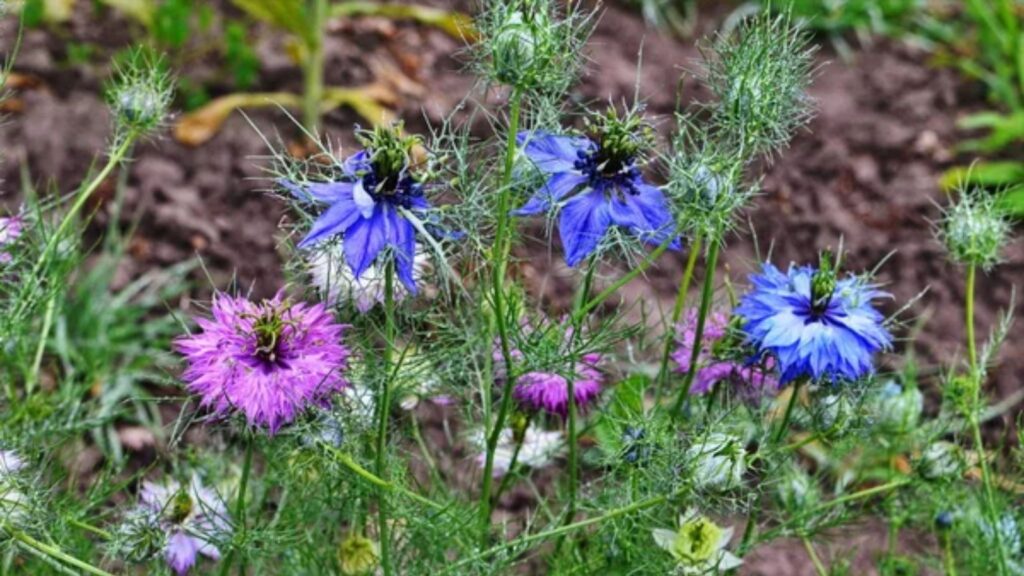
Love-in-a-Mist produces a mound of delicate foliage topped with exquisite mist-like blue flowers, hence its whimsical name. This low-maintenance plant’s floral display peaks in late spring and early summer, earlier than that of many other annual plants.
This frost-sensitive annual grows well in zones 2-11 in full sun or partial shade. Plant in well-drained soil and water well until established.
2. Cosmos (Cosmos Bipinnatus)

Famed for its colorful daisy-like flowers atop mounds of bushy fern-like foliage, Cosmos will add color to your garden from early summer right into fall. The flowers come in a range of colors, including pink, white, red, orange, and purple.
Plant Cosmos in a sunny location with well-drained soil, and water thoroughly until it is established. This drought-tolerant plant will thrive in zones 2-11, but it particularly loves hot climates.
3. California Poppy (Eschscholzia Californica)

California Poppy boasts large orange flowers that add a vibrant splash of color to your garden. The blue-green foliage creates an interesting contrast with other flowering plants, and it will self-seed easily year after year.
Grow California Poppies in full sun in well-drained soil. When established, this plant tolerates drought well and thrives in zones 6 through 11.
4. Sunflower (Helianthus Annuus)

Sunflowers come in a huge range of varieties, from the classic giant yellow-headed original to shorter plants that produce multiple deep orange flowers.
These delicate plants are best sown directly into fertile soil as they don’t transplant well. Pick a spot in full sun and water regularly, especially during dry periods.
5. Marigold (Tagetes Spp.)

A kitchen garden classic, Marigolds produce a colorful array of yellow, orange, and red flowers throughout the warmer months. They have a bushy growth habit and are often used in vegetable plots to attract beneficial insects.
Marigold plants prefer full sun and well-drained soil and will thrive in zones 2-11. They require regular watering until well-established, but can then tolerate hot, dry conditions.
6. Rocket Larkspur (Consolida Ajacis)

Also known as
Rocket Larkspur grows best in full sun or partial shade in zones 2-11. It prefers moist soil and may need staking to support the tall flower spikes.
7. Cornflower (Centaurea Cyanus)

Cornflowers are one of the best-known traditional cottage garden plants, producing delicate pastel-colored flowers on tall stems. The slender leaves form a bushy plant, creating excellent ground cover in flower gardens.
Plant Cornflowers in full sun in well-drained soil in zones 2-11. They tolerate drought and poor soil well, making them ideal for neglected areas of the garden.
8. Sweet Pea (Lathyrus odoratus )

Sweet Peas climb and vine their way upwards throughout the summer months, producing fragrant flowers in shades of pink, purple, and red. This fast-growing annual is ideal for growing up a trellis or fence and will flower for several months if dead-headed regularly.
Sow Sweet Pea seeds directly into fertile soil in a well-draining, sunny spot. This fast-growing annual flower grows well in zones 2-11. \
9. Drummond Phlox (Phlox Drummondii)

Drummond Phlox produces clusters of 1-inch flowers in shades of white, pink, or red with a contrasting center eye. This low-growing plant is ideal for the edges of flower borders, where taller plants won’t crowd it.
Grown as an annual in zones 2-11, Drummond Phlox prefers full sun and well-drained soil. When established, it tolerates drought well and will attract beneficial pollinating insects to your garden.
10. Sweet Alyssum (Lobularia Maritime)

Sweet Alyssum is a low-growing plant that produces a carpet of tiny flowers in white, pink, and purple shades. Its strong fragrance attracts insect life that can help keep garden pests at bay.
Sow Sweet Alyssum in well-drained soil in full sun to partial shade. It tolerates poor soil and drought well and can be grown in zones 5-11.
11. Globe Amaranth (Gomphrena Globose)

The globe-shaped flower heads of Globe Amaranth produce a pompom-like carpet of blooms in vibrant shades of pink, purple, and red. This fast-growing annual will thrive in containers and ornamental gardens with very little maintenance.
Globe Amaranth should be grown in full sun in well-drained soil. Grown as an annual in zones 2-11, this rapidly growing plant can tolerate drought and will attract clouds of butterflies to your garden.