With winter approaching, power grid officials are already preparing for potential challenges that could affect electricity reliability across parts of the United States. A strengthening El Niño weather pattern is raising concerns about how the country’s power systems will hold up against severe winter weather.
The North American Electric Reliability Corporation (NERC) recently addressed the potential risks facing electricity providers this winter and encouraged the industry to strengthen its preparations.
While the warning doesn’t mean widespread power outages are inevitable, it’s a timely reminder for households to consider how prepared they are to manage without electricity.
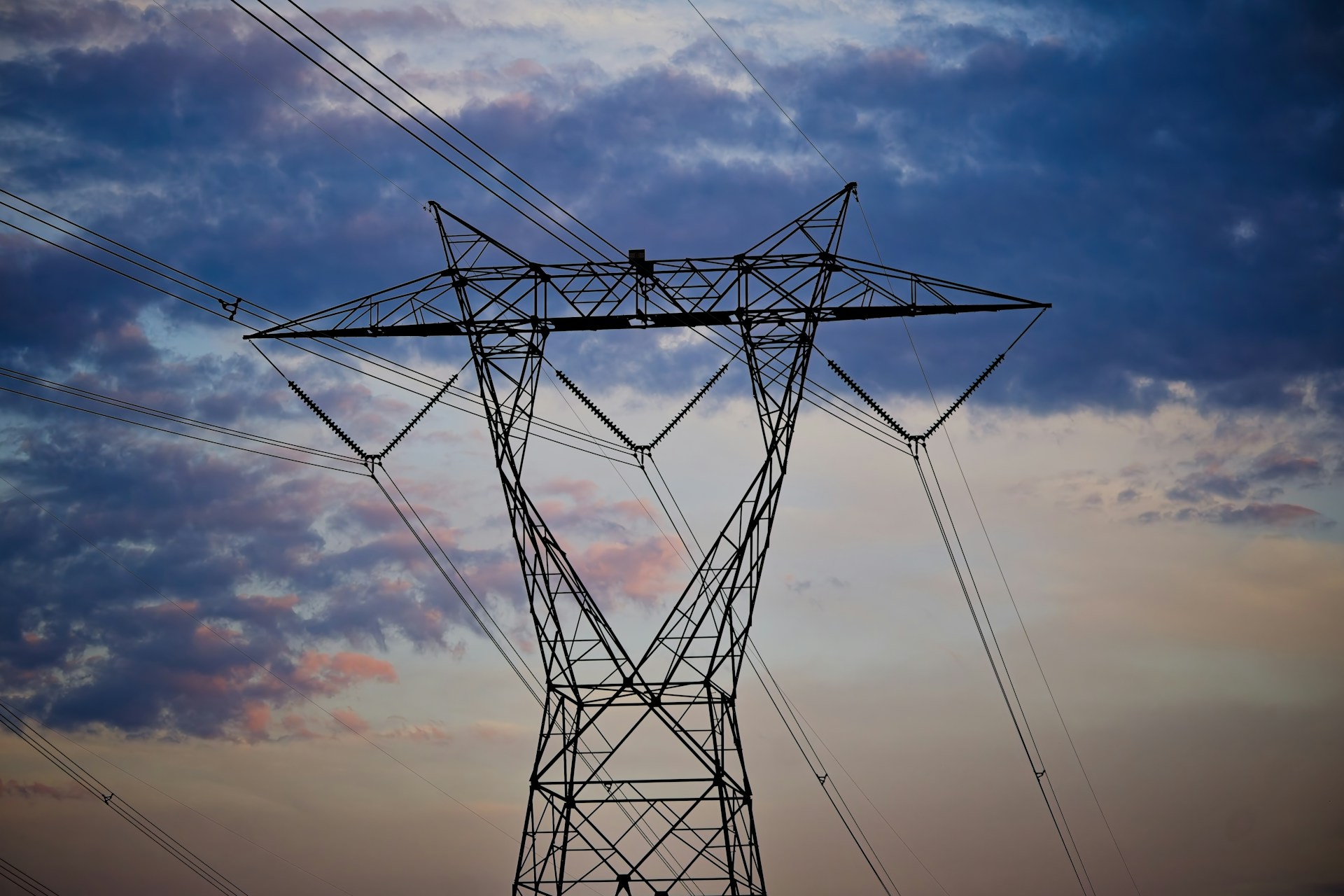
Power Grid Officials Are Concerned About a Strengthening El Niño
In a video announcement, NERC President and CEO Jim Robb identified El Niño as one of the biggest variables facing the electricity industry during the 2026–2027 winter season.
According to the National Oceanic and Atmospheric Administration’s November outlook, El Niño is expected to remain strong throughout the winter. The weather pattern can disrupt typical seasonal conditions, creating additional challenges for electricity providers.
Some Parts of the Country Could Face Increased Weather Risks
NOAA’s winter outlook anticipates wetter-than-average conditions across much of the southern United States, including California and the Southwest, while much of the northern U.S. could experience warmer-than-average temperatures.
However, a generally warmer winter doesn’t eliminate the possibility of extreme cold or severe storms. Heavy precipitation, strong winds, freezing rain, and ice can damage power lines and leave households without electricity.
Extreme Cold Can Put Additional Pressure on Power Grids
Winter weather can create challenges for electricity providers on multiple fronts. As temperatures drop, households and businesses increase their energy consumption to keep buildings warm.
At the same time, freezing temperatures can interfere with power generation, fuel supplies, and other critical infrastructure. Ice accumulation and fallen trees can also damage power lines, leaving individual communities without electricity.
The combination of increased demand and weather-related equipment problems can make it more difficult for electricity providers to maintain reliable service.
Winter Power Outages Can Quickly Become a Household Emergency
Losing electricity during the warmer months is inconvenient, but a prolonged outage during freezing temperatures presents additional concerns.
Many households depend on electricity for heating, cooking, refrigeration, communication, and access to running water. Even some furnaces that operate on natural gas or propane require electricity to function.
Without heat, indoor temperatures can drop, pipes can freeze, and households may need to relocate until power is restored. For older adults, young children, and people who rely on powered medical equipment, these disruptions can be particularly concerning.
Households May Want to Prepare for Several Days Without Electricity
You don’t need to wait until a major winter storm is in the forecast to start preparing. Having enough basic supplies to manage for at least 72 hours without electricity is a reasonable starting point.
Some practical supplies worth keeping on hand include:
- Shelf-stable food that doesn’t require cooking
- At least one gallon of water per person per day
- Flashlights, lanterns, and spare batteries
- Fully charged portable power banks
- Heavy blankets and warm clothing
- A battery-powered or hand-crank radio
- Essential medications and first-aid supplies
- A manual can opener
- Personal hygiene supplies
- Emergency cash
It’s also worth thinking about how you would keep your home warm, protect your pipes, and prepare meals without electricity.
If you plan to use a generator, always operate it outdoors, at least 20 feet from your home, with the exhaust directed away from doors, windows, and vents.
Preparing Doesn’t Mean Expecting the Worst
The latest warnings from power grid officials are intended to encourage preparation, not suggest that a nationwide blackout is imminent.
Many of the preparations households can make for a winter power outage are the same ones that can help during severe storms, flooding, or other unexpected disruptions throughout the year.