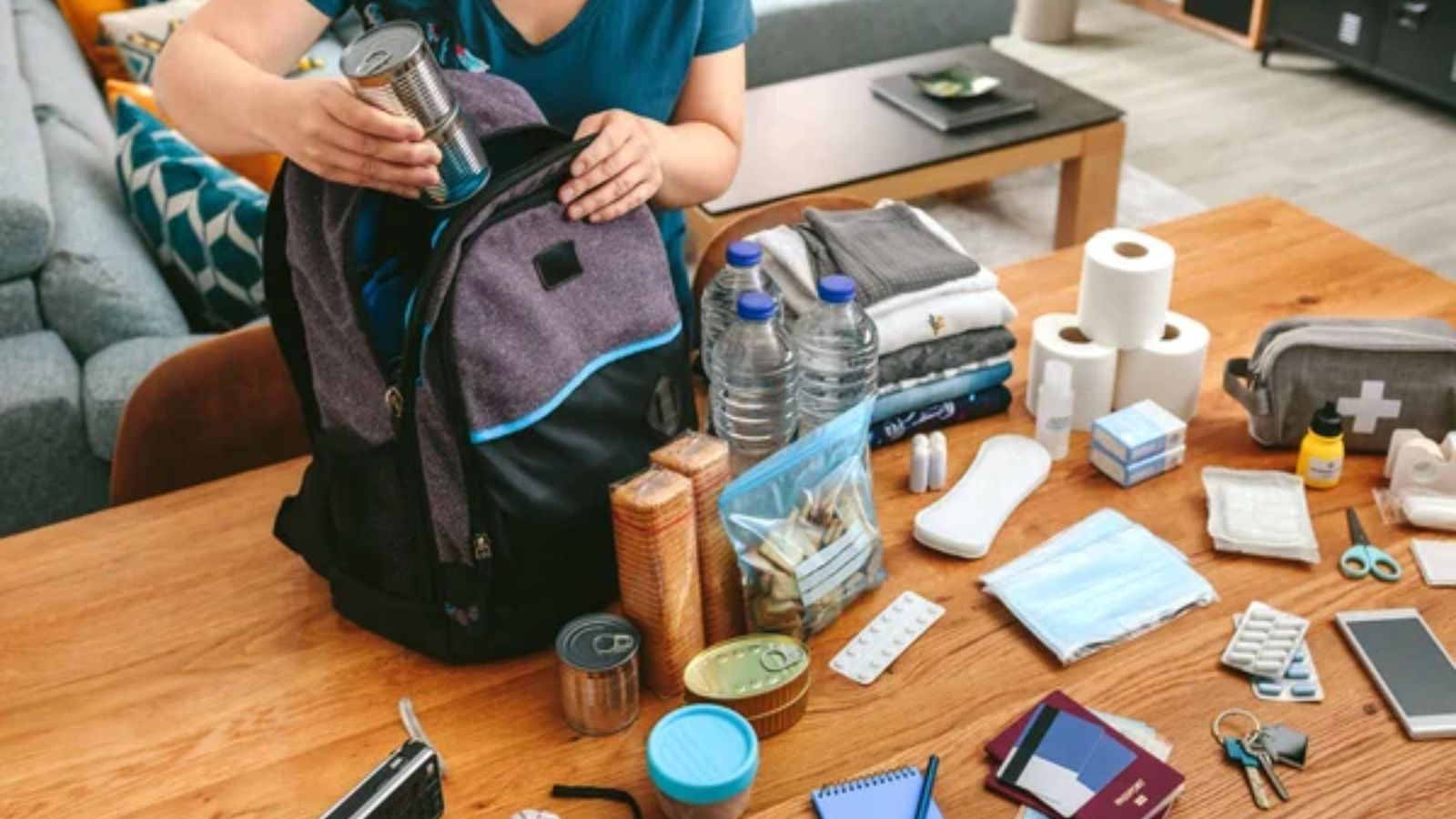
The federal government recommends that households keep enough essential supplies to get through several days of an emergency. For some Americans, however, three days is nowhere near the amount of time they’re comfortable preparing for.
In a recent online discussion about emergency preparedness, readers shared their own ideas about how much food, water, and other necessities households should keep at home.
While some suggested a week or two, others recommended preparing for several months. A few even discussed stockpiles intended to last a year or longer.
But what does preparing for that length of time actually involve?
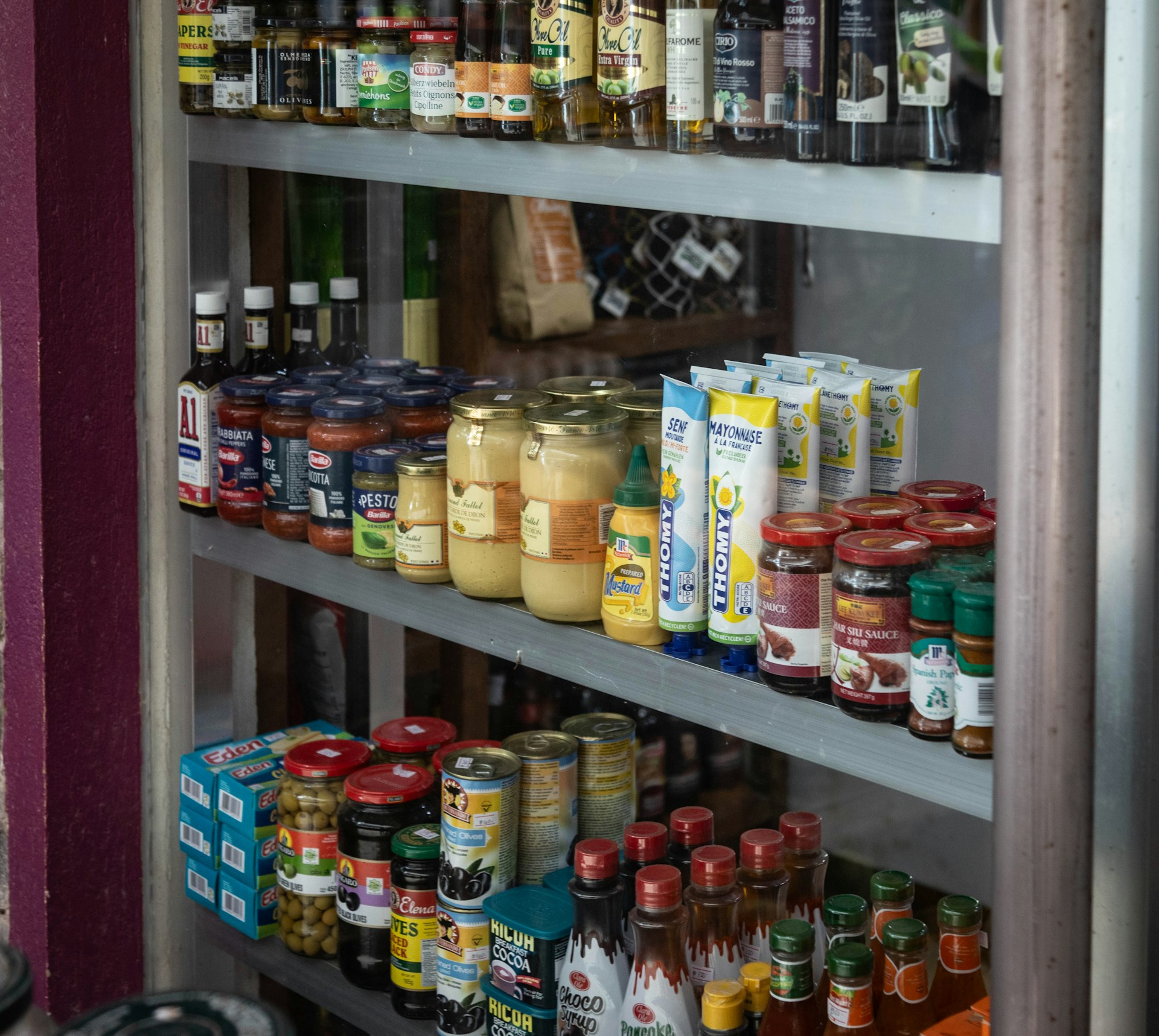
Some People Consider Three Days the Bare Minimum
Several readers argued that major disasters don’t necessarily follow a predictable timeline. They pointed to hurricanes, severe winter storms, and other emergencies that can leave communities without essential services for considerably longer than three days.
Others suggested that households should gradually work toward having a month’s worth of supplies rather than relying entirely on the minimum recommendation.
For these individuals, the goal is to avoid having to immediately replenish supplies when an emergency affects an entire community.
Related: 14 Essential Items to Stockpile Monthly for a Strong Emergency Stash
A Longer-Term Stockpile Can Help During More Than Natural Disasters
Not every emergency involves a power outage, hurricane, or evacuation.
An unexpected job loss, medical expense, car repair, or reduction in household income can make it difficult to afford groceries and everyday necessities.
Having extra food and household supplies on hand can provide financial breathing room during difficult periods. It’s one reason people sometimes build larger pantries even when they aren’t particularly concerned about natural disasters.
What a 30-Day Emergency Pantry Might Include?
Preparing for a month doesn’t necessarily require purchasing specialized survival food.
A practical emergency pantry could include canned vegetables, canned meats, beans, rice, pasta, oats, flour, cooking oil, peanut butter, shelf-stable milk, and other foods your family regularly consumes.
You’ll also need to consider drinking water, hygiene products, medications, pet supplies, and other necessities that are easy to overlook when focusing primarily on food.
The amount you’ll need depends on the number of people in your household and their individual dietary and medical requirements.
Six Months of Supplies Comes With Its Own Challenges
While having a substantial stockpile might provide peace of mind, maintaining one requires space, money, and organization.
Food needs to be stored under appropriate conditions and rotated regularly. Some products have shorter shelf lives than people realize, while others can become damaged by moisture, pests, or excessive heat.
Water storage presents another challenge. At one gallon per person per day, a family of four would need approximately 720 gallons for 180 days, before accounting for additional needs.
A larger stockpile isn’t necessarily practical if you don’t have the space or resources to maintain it properly.
Building a Stockpile Doesn’t Have to Happen Overnight
One reader suggested gradually adding supplies during regular shopping trips rather than trying to purchase everything at once.
Buying extra canned goods during a sale, picking up an additional package of toilet paper, or purchasing pantry staples in bulk when it makes financial sense can help build a reserve over time.
Start with three days, work toward a week, and consider increasing your supplies from there based on your household’s circumstances.
How Much Is Enough?
There isn’t one amount of emergency supplies that makes sense for everyone.
A family living in an area prone to hurricanes or severe winter storms may have different needs from someone living in a small city apartment with limited storage.
The government’s emergency preparedness recommendations provide a foundation, but households can adjust their preparations according to their circumstances.
Having several months’ worth of supplies might make sense for some people. For others, a well-organized two-week pantry may be a more realistic and manageable goal.