From artificial intelligence and cloud computing to the apps and websites we use every day, our growing reliance on technology comes with a considerable demand for electricity. And as more data centers are built across the country, questions are being raised about whether America’s power infrastructure can keep up.
According to recent reporting by The San Francisco Standard, San Francisco is already approaching the limits of its electricity transmission capacity, even without adding new data centers.
The findings offer a glimpse into a much larger challenge facing communities across the United States as electricity demand continues to grow.
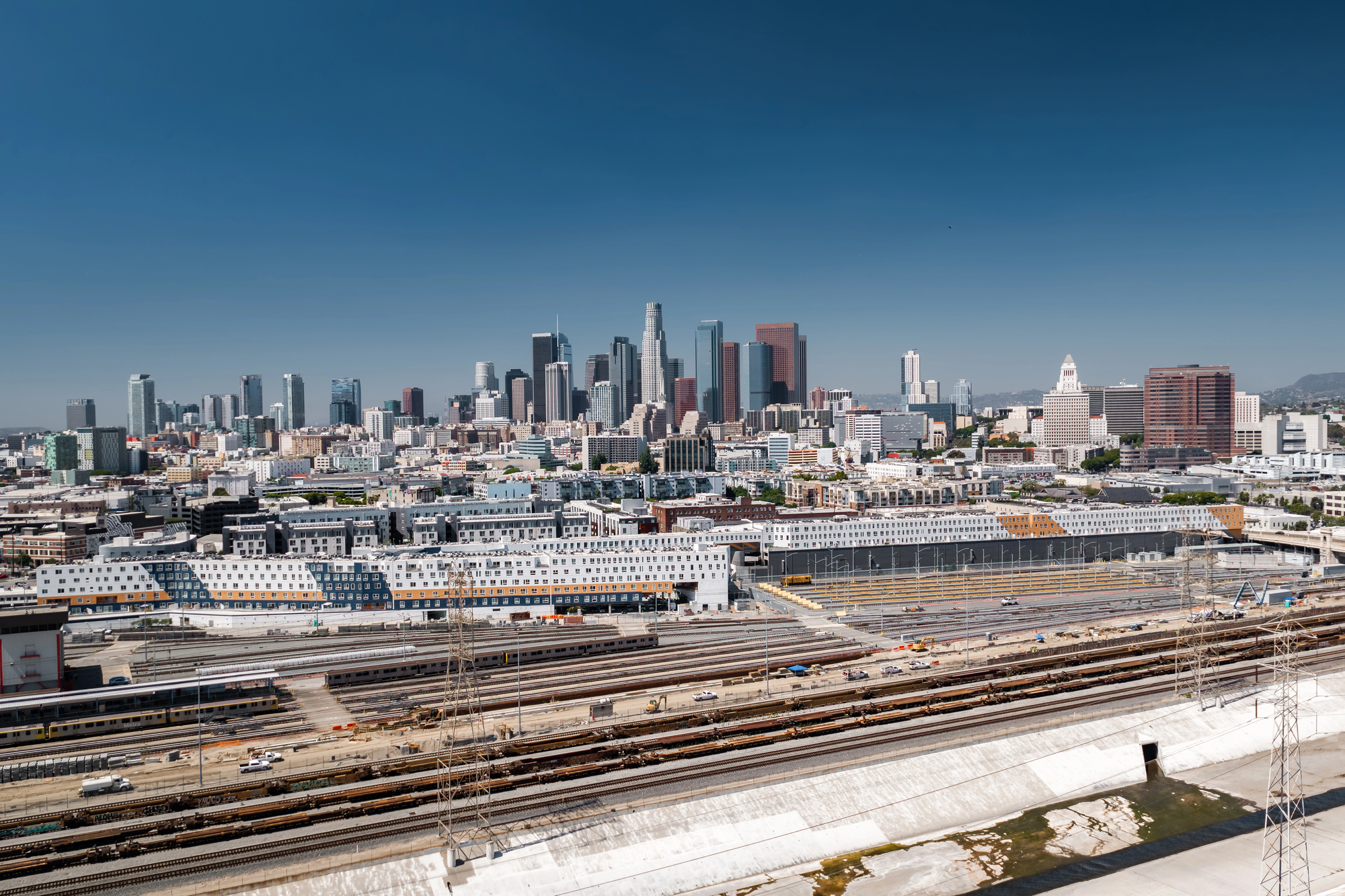
A Major American City Is Already Approaching Its Power Grid Limits
A recent San Francisco Planning Department report found that the city’s maximum electricity transmission capacity is approximately 1,000 megawatts.
Peak demand reached 900 megawatts in 2019 before declining during the pandemic. By 2025, it had climbed back to 800 megawatts, with local utilities estimating that electricity demand could grow by as much as 20 megawatts annually.
The concern is that adding large data centers could leave less capacity available for new housing, businesses, and other development projects.
Data Centers Could Account for More Than 10% of America’s Electricity Use by 2030
The amount of electricity data centers consume is expected to grow considerably over the next several years.
A report published in June 2026 by Lawrence Berkeley National Laboratory estimates that data centers could account for 11.8% of all electricity consumed in the United States by 2030.
Depending on how the industry develops, that figure could range from 9.5% to 15.3%. In the higher-demand scenario, roughly one out of every seven units of electricity consumed across the country could go toward operating data centers.
The Growing Popularity of Artificial Intelligence Comes With an Energy Cost
Every time someone uses an AI chatbot, generates an image, or runs a complex AI-powered application, computing equipment somewhere needs electricity to process that request.
Data centers also require cooling systems to prevent their equipment from overheating. As artificial intelligence becomes more integrated into businesses, schools, and everyday life, the infrastructure needed to support these services could place additional pressure on electricity supplies.
While most of us interact with AI through a phone or computer, the physical infrastructure behind it is considerably more demanding.
Expanding the Power Grid Takes Years
One of the biggest challenges is that data centers can be developed faster than some of the major infrastructure projects needed to supply them with electricity.
According to San Francisco’s planning report, a new transmission line could take eight years or longer to become operational after receiving approval.
In the meantime, existing infrastructure would need to accommodate growing electricity demand from homes, businesses, electric vehicles, and other developments.
It’s a challenge that other communities could increasingly find themselves facing.
Cities Are Beginning to Push Back Against New Data Center Development
San Francisco temporarily paused new data center development while officials examined the potential impact on local infrastructure.
Neighboring Oakland has also extended its moratorium on new data centers until October 2027, giving officials more time to study concerns about electricity consumption, water use, and air quality.
These decisions illustrate the difficult choices local governments face as they try to balance technological growth with the needs of existing residents and businesses.
Who Will Pay for the Additional Electricity Infrastructure?
Beyond concerns about electricity availability, there’s also the question of who will pay for the infrastructure upgrades needed to accommodate growing demand.
Building new transmission lines and expanding electrical infrastructure requires considerable investment. The San Francisco report acknowledges broader concerns about whether residential customers and other businesses could end up bearing a disproportionate share of those costs.
For households already dealing with rising living expenses, the possibility of additional energy costs is worth paying attention to.
Does This Mean Americans Should Expect More Power Outages?
A power grid approaching its capacity doesn’t automatically mean blackouts are imminent. Much will depend on how utilities expand infrastructure, manage electricity demand, and bring additional power supplies online.
However, the rapid growth of data centers highlights just how much our electricity needs are changing and how important it is for infrastructure investments to keep pace.
For everyday households, it’s also another reminder of how much we depend on a reliable electricity supply. Having a basic backup plan for power outages remains a practical precaution, regardless of what causes the next disruption.