
Dollar stores can be handy for picking up household basics, party supplies, and seasonal decorations without spending much. But a low price tag doesn’t always mean you’re getting a bargain, especially if the package is smaller, the item wears out quickly, or you end up buying things you never needed.
A few smart shopping habits can help you keep more money in your pocket. Here are 10 common dollar store mistakes to avoid before you fill your cart.
Not Checking the Unit Price
A product may cost less upfront, but the package might contain far less than a similar item at a grocery store or big-box retailer. Compare the price per ounce, pound, or individual item whenever that information is available to see which option gives you more for your money.
Related: Best Chicken Supplies To Buy From The Dollar Store
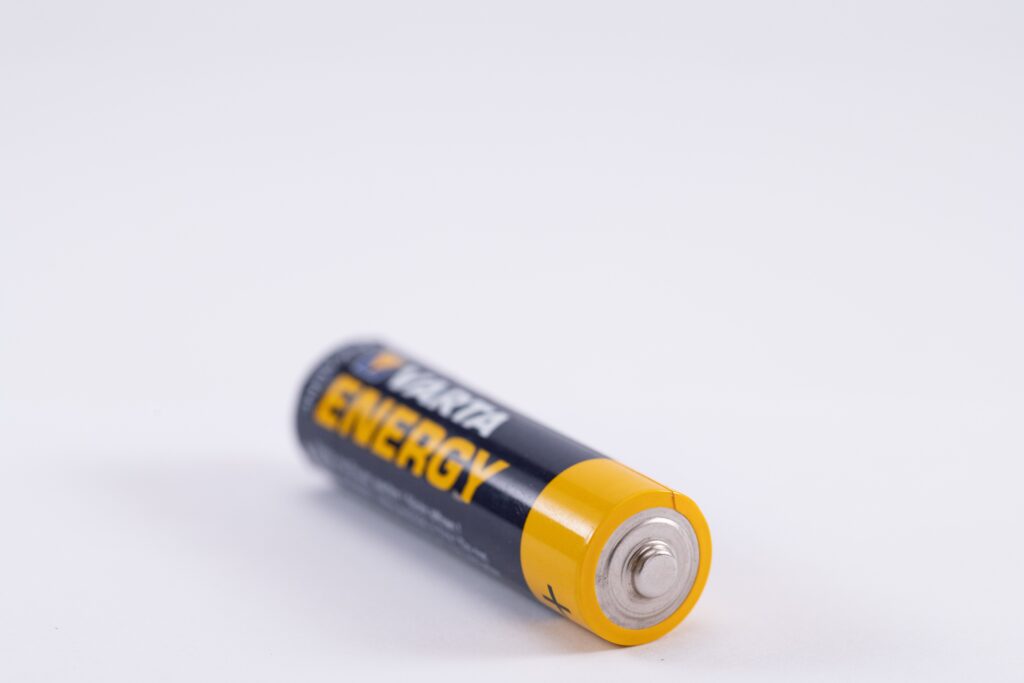
Buying Cheap Batteries
Inexpensive batteries may run out sooner than higher-quality options, so you may have to replace them more often. For frequently used devices, compare battery life and reviews, and check batteries periodically for leaks that could damage your electronics.
Filling Your Cart on Impulse
It’s easy to toss a few extra items into your cart when everything looks cheap, but small purchases can add up before you reach the checkout. Make a list before you shop, and ask yourself whether you’ll actually use each extra item.
Forgetting to Check Expiration Dates
Before buying food, vitamins, cosmetics, or over-the-counter medicines, check the expiration date and the condition of the packaging. Skip items that are expired, damaged, or unlikely to be used before their recommended date.
Related: 19 Survival Items You Should Stockpile from Dollar Tree
Ignoring Product Quality
A low price won’t feel like a bargain if a kitchen utensil breaks after a few uses or a storage bin cracks under light pressure. Check for loose handles, weak seams, cracked plastic, and other signs that an item may not hold up to regular use.
Assuming Every Price Is a Deal
Dollar stores don’t always offer the lowest prices, even on everyday products. Compare the cost of items you buy often with prices at grocery stores, warehouse clubs, and other discount retailers, including the cost per unit.
Buying Toys Without Looking Them Over
Cheap toys can work well for party favors and small gifts, but check them for sharp edges, loose parts, and pieces that could break off. For babies and young children, choose age-appropriate toys from reputable sellers and avoid anything with small parts that pose a choking risk.
Skipping Safety Checks
Take a moment to inspect cookware, food containers, beauty products, and electrical accessories before buying them. Read labels and instructions, look for safety information, and skip items with damaged packaging or unclear details, especially products that touch food or connect to an electrical outlet.
Related: 15 Foods That Last Well Beyond Their Expiration Date (If Stored Correctly)
Not Reading the Return Policy
Some dollar stores restrict returns, require a receipt, or offer store credit instead of a refund. Check the policy before buying anything costly or easy to damage so you know your options if the item doesn’t work out.
Overlooking Off-Brand Products
Name brands can cost more without offering much difference in everyday performance, especially for items like cleaning supplies, paper goods, and pantry staples. Compare ingredients, package sizes, and customer reviews when available, since an off-brand product may do the job just as well for less.
Related: Best Chicken Supplies To Buy From The Dollar Store