Much of the conversation surrounding emergency preparedness focuses on having enough food and water to get through three days. But depending on the circumstances, three days’ worth of supplies might not be enough to keep your household comfortable and fed during an emergency.
The American Red Cross recommends keeping a two-week supply of food and water at home. The organization also makes an important distinction between the supplies households should have if they’re forced to evacuate and what they should keep on hand if they can remain at home.
For many Americans, this may be a good reason to take another look at what’s currently in their pantry.
Three Days of Supplies for Evacuation and Two Weeks for Staying Home
The American Red Cross recommends having a three-day supply of food and water readily available in case you need to evacuate your home. However, if you’re sheltering at home, the recommendation increases to two weeks.
During a major winter storm, hurricane, or extended power outage, grocery stores may temporarily close, roads may become inaccessible, and essential services may take time to recover. Having additional supplies at home can help you manage without immediately needing to venture out or rely on outside assistance.
How Much Water Should You Actually Have at Home?
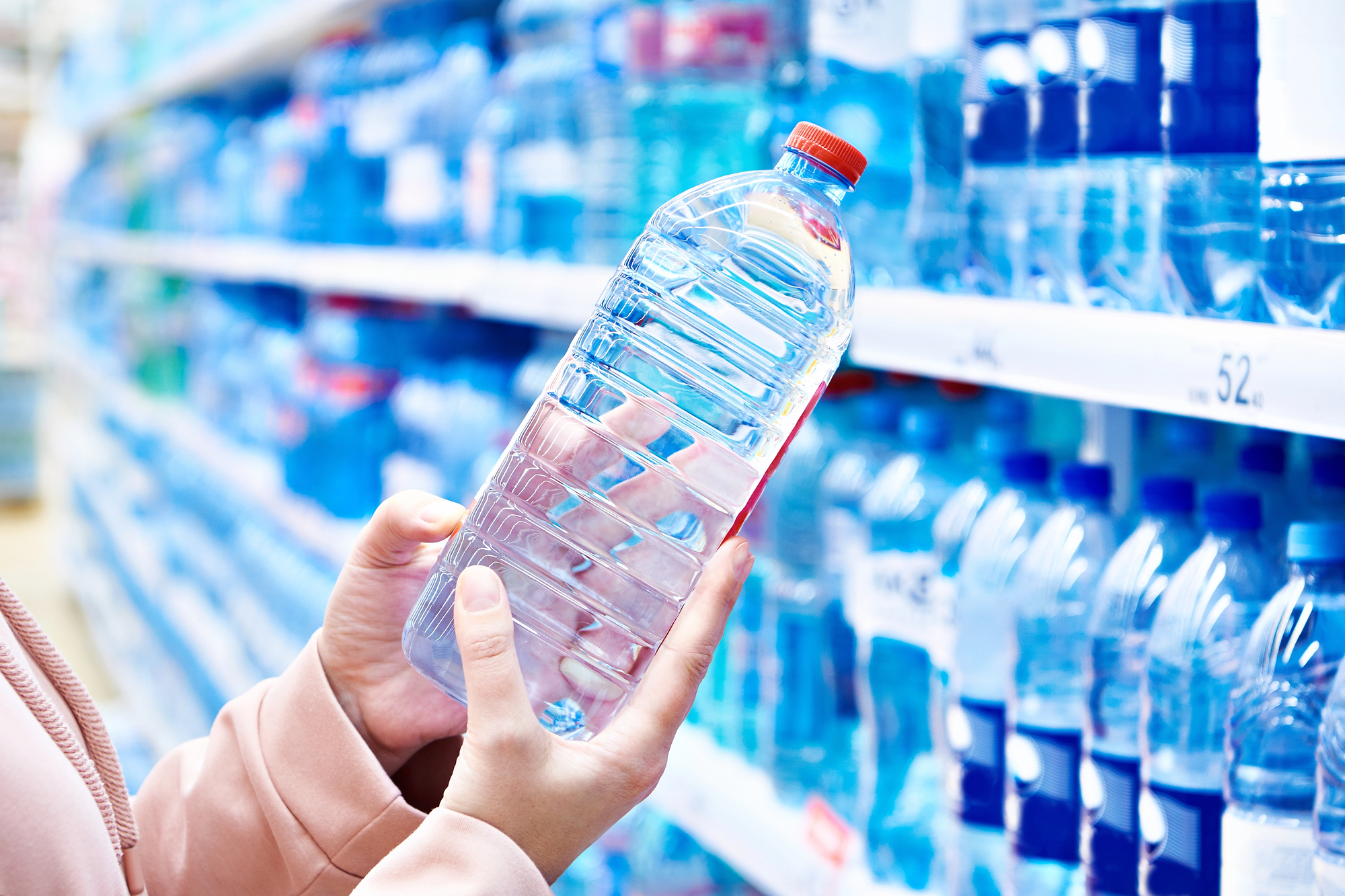
The Red Cross recommends storing one gallon of water per person, per day. For a family of four, that means having 56 gallons of water available for a two-week emergency.
Here’s what a two-week water supply looks like based on household size:
- One person: 14 gallons
- Two people: 28 gallons
- Three people: 42 gallons
- Four people: 56 gallons
- Five people: 70 gallons
- Six people: 84 gallons
You’ll also want to account for pets and any additional water needs within your household. Considering how much water we use in an ordinary day, this emergency necessity is particularly easy to underestimate.
Related: 15 Essential Prepper Supplies to Stock Beyond Food and Water
Stock Up on Foods That Are Easy to Prepare
The Red Cross recommends keeping nonperishable foods that are easy to prepare. While rice, dried beans, and pasta are useful pantry staples, it’s also worth considering what you could eat if you didn’t have access to electricity or a reliable cooking source.
Canned tuna, chicken, beans, vegetables, soups, peanut butter, crackers, dried fruit, nuts, and shelf-stable milk are all worth considering. Focus on a mix of foods you can eat without cooking and ingredients you can use to put together simple, filling meals.
There’s little benefit to stockpiling large quantities of food that nobody in your household enjoys.
Related: 10 Canned Beans That Can Help Stretch Your Emergency Food Budget
Think About What Your Household Eats in an Average Two Weeks
One of the easiest ways to figure out how much food to store is to pay attention to what your family typically eats over a two-week period.
Consider breakfast, lunch, dinner, snacks, and beverages. For a family of four eating three meals a day, that’s 168 individual meal portions over 14 days.
You don’t necessarily need 168 separate packaged meals, but the math can help you better understand whether your current pantry could realistically support your household for that long.
Food and Water Aren’t the Only Things the Red Cross Recommends
Although food and water are essential, the Red Cross also recommends keeping several other everyday necessities readily available.
These include:
- Flashlights and extra batteries
- A battery-powered or hand-crank radio
- A first-aid kit
- A seven-day supply of medications and necessary medical items
- Personal hygiene and sanitation supplies
- Cellphone chargers
- Extra cash
- An emergency blanket
- A multipurpose tool
- Copies of important personal documents
- Family and emergency contact information
- Maps of the local area
The organization also encourages households to account for the specific needs of children, babies, pets, and family members who rely on medical supplies or equipment.
You Don’t Have to Build a Two-Week Stockpile Overnight
The thought of buying two weeks’ worth of extra groceries and dozens of gallons of water can feel overwhelming, especially when grocery prices are already straining household budgets.
Start by taking inventory of what you already have at home. You may be surprised to find several days’ worth of meals tucked away in your pantry.
Picking up a few extra cans of food, an additional jar of peanut butter, or a gallon or two of water each time you shop can gradually help you build a reasonable emergency supply. Take advantage of grocery sales and rotate older products into your everyday meals to minimize food waste.
When Was the Last Time You Evaluated Your Emergency Supplies?
It’s easy to assume that you have enough food at home until you actually sit down and calculate how long it would last. And while many of us have refrigerators and freezers full of food, much of it may go to waste during an extended power outage.
Take a few minutes to look through your pantry and consider how your household would manage if you couldn’t get to the grocery store for two weeks.
You don’t need to anticipate a major disaster to justify keeping a little extra food and water at home. Sometimes, having a well-stocked pantry is simply a practical way to prepare for life’s unexpected interruptions.