Losing electricity is inconvenient any time of year, but a winter power outage presents a different set of challenges. Without a reliable heat source, indoor temperatures can drop, pipes can freeze, and even preparing a simple meal can become difficult.
The best time to prepare is before a winter storm is even in the forecast. Here are 12 practical ways to prepare your home for a winter power outage and avoid scrambling for supplies at the last minute.
Have a Backup Power Source
Keep portable power banks fully charged, and consider investing in a portable power station for essential electronics and lighting. A fuel-powered generator may also be worth considering if your area experiences frequent outages. FEMA recommends operating generators outdoors, at least 20 feet away from your home, with exhaust directed away from windows, doors, and vents.
Gather Extra Blankets and Winter Clothing
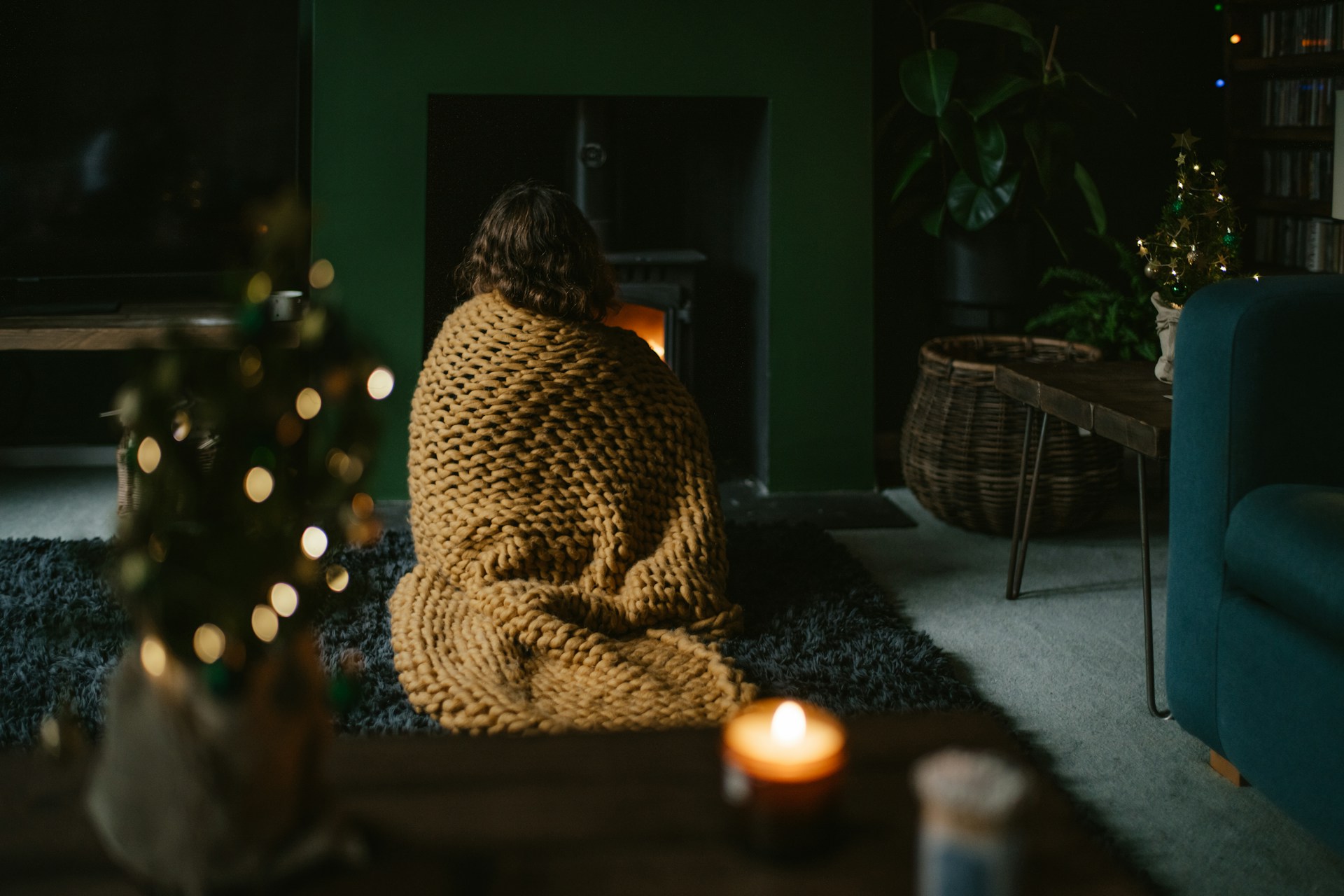
You may find yourself wearing winter clothing indoors if your heating system stops working. Keep heavy blankets, thermal clothing, wool socks, and insulated sleeping bags readily available. Dressing in layers can help you retain body heat as indoor temperatures begin to drop.
Stock Up on Batteries and Test Your Flashlights
Take inventory of your flashlights, battery-powered lanterns, and other emergency lighting to make sure everything works. Stock up on spare batteries in various sizes and keep them somewhere that’s easy to access in the dark. If you have rechargeable flashlights, make sure they’re fully charged.
Have a Backup Plan for Heating Your Home
Even heating systems that run on natural gas or propane often rely on electricity to operate. Consider a safe alternative heating source specifically designed for indoor use that doesn’t require electricity. Never use outdoor propane heaters, camping stoves, charcoal grills, or gas ovens to heat your home.
Stock Up on Foods That Don’t Require Cooking
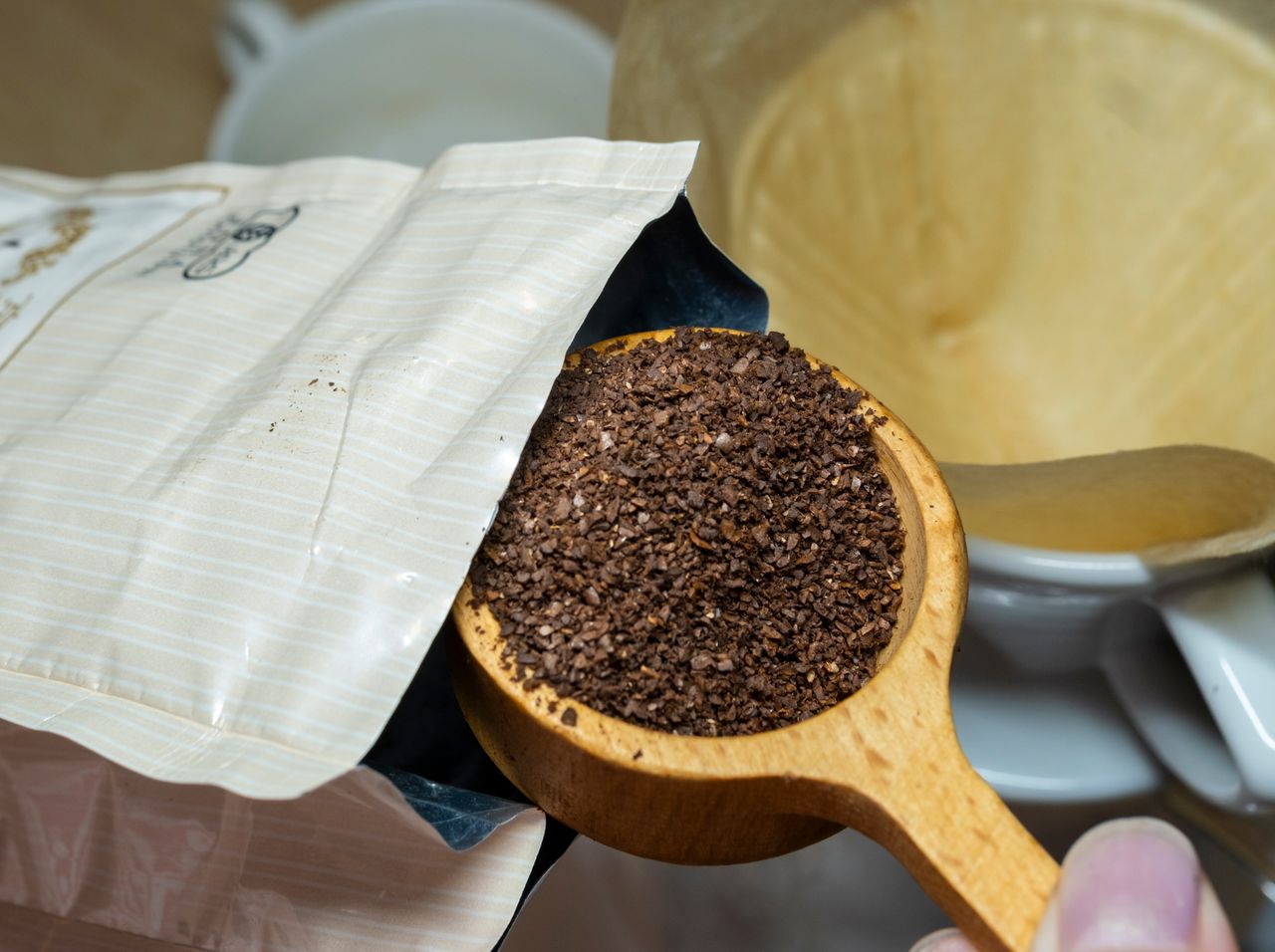
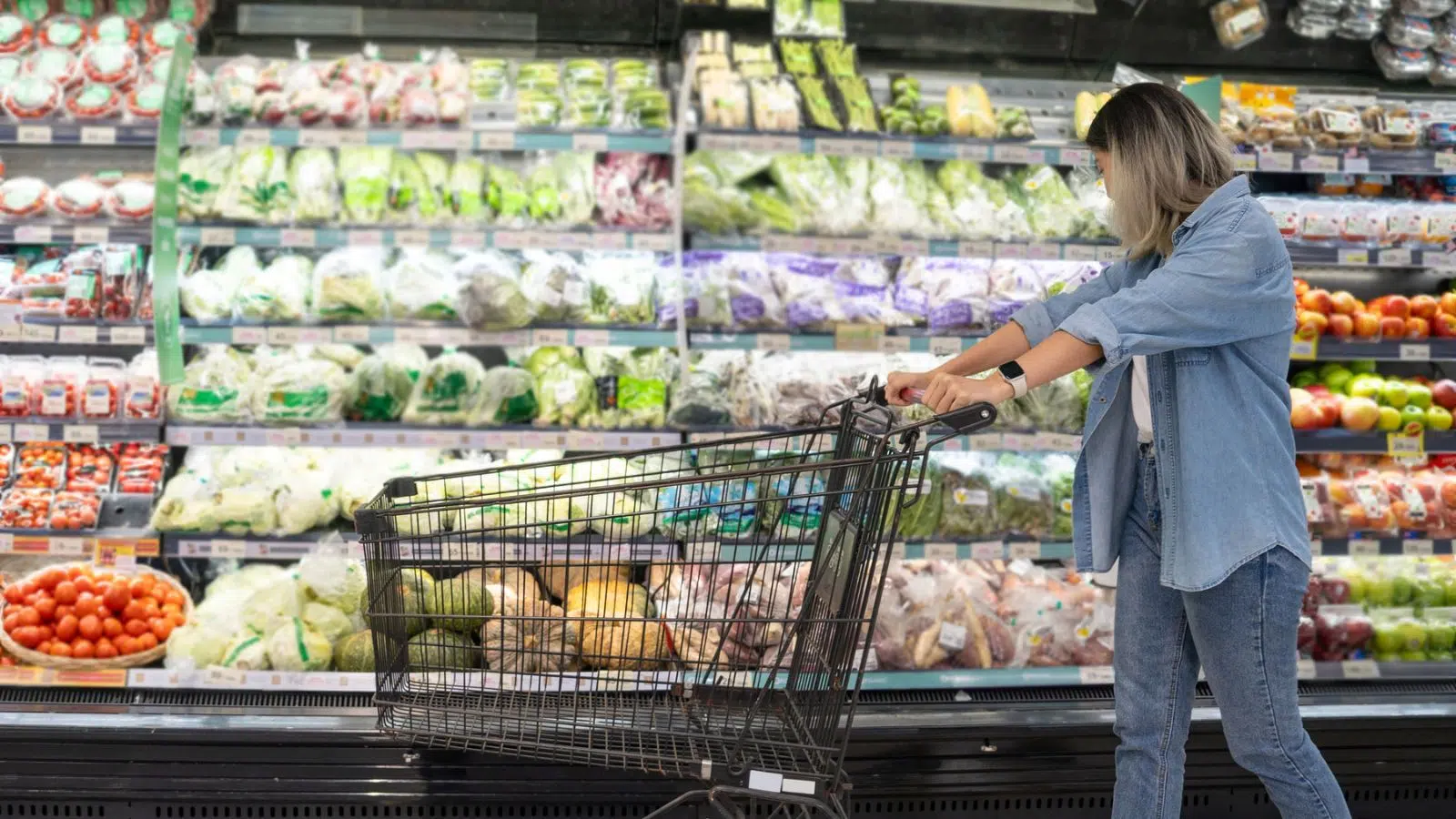
Think about what your family would actually eat if your stove and microwave stopped working for several days. Canned tuna, peanut butter, crackers, canned fruit, ready-to-eat beans, and nuts are all practical options. Don’t forget to keep a manual can opener on hand.
Store Extra Drinking Water
A power outage can disrupt your water supply, particularly if your home relies on an electric well pump. According to FEMA, households should store at least one gallon of water per person per day for several days for drinking and sanitation. Remember to store additional water for your pets.
Related: 15 Essential Prepper Supplies to Stock Beyond Food and Water
Protect Your Pipes From Freezing
Without a functioning heating system, pipes in poorly insulated areas of your home can freeze and burst, resulting in expensive water damage. Insulate exposed pipes in basements, garages, and crawl spaces before temperatures drop. Also make sure you know where your main water shutoff valve is located.
Check Your Smoke and Carbon Monoxide Detectors
Fireplaces, generators, and alternative heating equipment can increase the risk of fires and carbon monoxide poisoning during power outages. Test your smoke and carbon monoxide detectors and replace batteries as needed. If your detectors are hardwired, make sure their battery backups are functioning properly.
Prepare Your Fireplace and Chimney
If you have a wood-burning fireplace or stove, have your chimney professionally inspected and cleaned as needed before winter arrives. Stock up on dry, seasoned firewood, matches, and fire-starting supplies. You don’t want to discover that your fireplace needs repairs when it’s your only available source of heat.
Get a Battery-Powered or Hand-Crank Radio
An extended power outage can also disrupt internet access and cellular service, making it difficult to stay informed. A battery-powered or hand-crank radio can help you receive weather updates, emergency alerts, and information about local warming centers without relying on your smartphone.
Prepare for Medication and Medical Equipment Needs
Severe winter weather can make getting to a pharmacy difficult, so speak with your healthcare provider about maintaining an appropriate emergency supply of necessary medications. If someone in your household relies on powered medical equipment or refrigerated medication, establish a backup plan before an outage occurs.
Reduce Heat Loss Throughout Your Home
Small drafts around windows and doors become considerably more noticeable when your heating system stops working. Seal gaps, install weatherstripping, and consider thermal curtains to help retain warmth inside your home. Have a plan to relocate to a safe, heated location if indoor temperatures drop to dangerously low levels.