The U.S. government recommends that households keep enough food, water, and essential supplies to get through at least 72 hours during an emergency. It’s a widely used preparedness guideline designed to help families manage the first few days of a disaster without relying on outside assistance.
But three days of supplies may not be enough when severe storms, widespread power outages, or disruptions to essential services last much longer. Even after the immediate danger passes, restoring electricity, reopening roads, and getting grocery stores restocked can take days or even weeks.
The question of whether 72 hours is enough has sparked debate among people who believe households should be prepared for longer emergencies. In a recent Reddit discussion, some argued that three days is a reasonable starting point, while others warned that relying on the minimum recommendation could leave families unprepared if a disaster drags on.

Some people think 72 hours isn’t nearly enough
Similar concerns have been raised in other countries, including the UK, where the government’s Be Ready campaign also encourages households to keep at least three days of emergency supplies.
In a recent Reddit discussion, one user questioned the recommendation, asking, “Is 3 days of food really enough?” The person also wondered whether officials were keeping the recommendation low to avoid alarming the public.
The concern is understandable. Major power outages, severe storms, cyberattacks, and disruptions to food deliveries can last much longer than 72 hours. Even after the immediate emergency ends, it may take additional days for electricity, transportation, grocery stores, and other essential services to return to normal.
One commenter who had experienced several hurricanes described losing power for a week or longer and recommended keeping at least one to two weeks of supplies. Others pointed out that a three-day supply might provide temporary relief, but it offers little room for unexpected delays when an emergency stretches beyond the recommended timeframe.
Food isn’t the only concern during a prolonged emergency
Having enough food to last several days is important, but that doesn’t necessarily mean a household is prepared for an extended emergency. Losing electricity, gas, or access to clean water can make even a well-stocked pantry difficult to use.
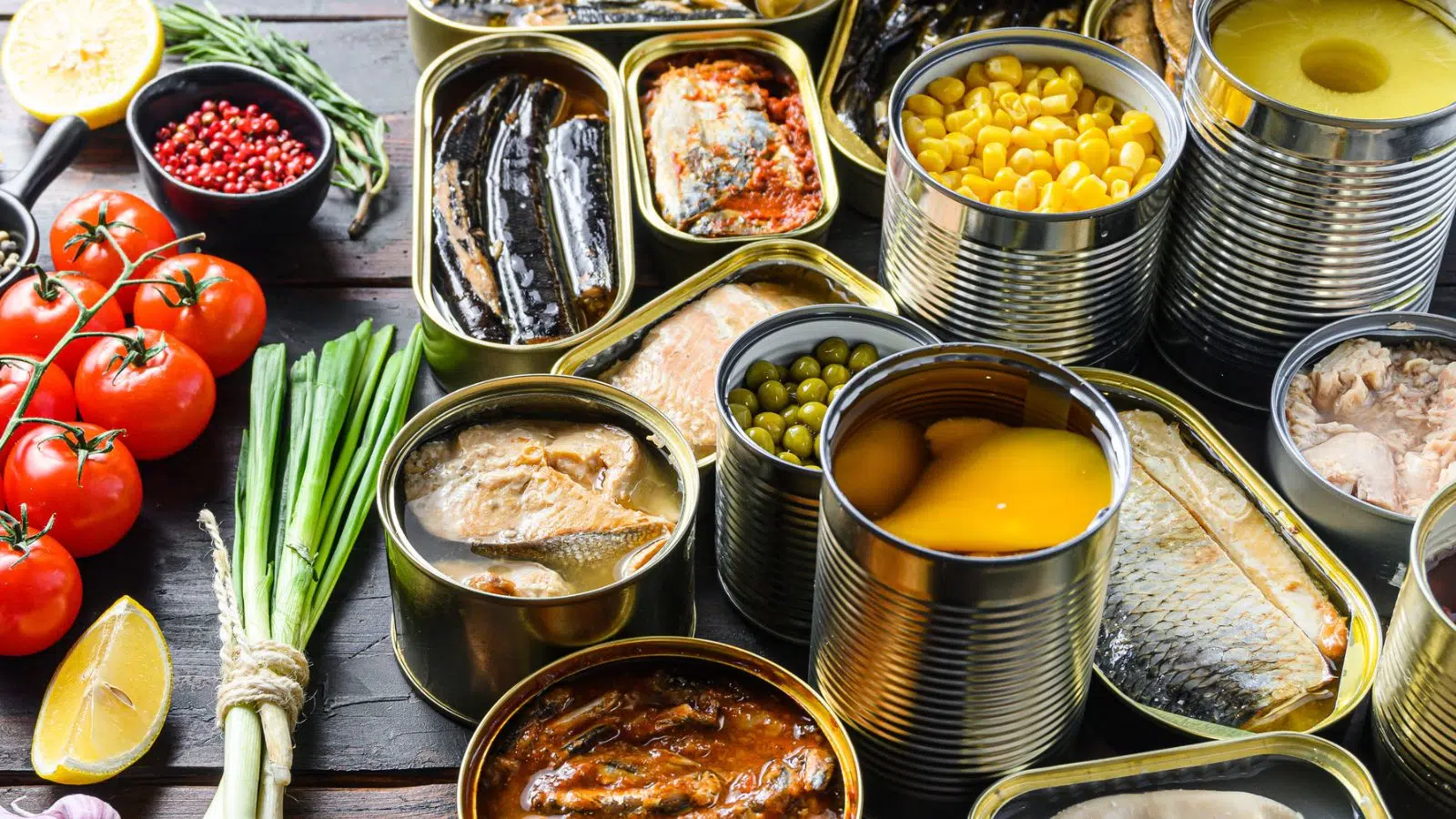
Rice, dried beans, and pasta are inexpensive foods that store well, but they require water and cooking equipment. During a prolonged power outage, ready-to-eat canned foods and other shelf-stable items that don’t require heating or refrigeration may be more practical.
Water, heating, lighting, and communication are equally important considerations. A household might have enough food for two weeks but still struggle after a few days without safe drinking water, reliable heat, or a way to receive emergency updates.
The UK’s Be Ready guidance recommends keeping foods that don’t require cooking, reinforcing the importance of preparing for the loss of essential services rather than simply storing enough meals.
So, is a 72-hour emergency supply really enough?
A 72-hour emergency supply is a reasonable starting point and can help households manage short-term disruptions without immediately relying on outside assistance. However, there is no guarantee that electricity, water, transportation, or grocery deliveries will be restored within three days.
The length of an emergency often depends on its severity, location, and how many people are affected. A brief neighborhood power outage is very different from a major hurricane, widespread flooding, or a disaster that damages infrastructure across an entire region.
Preparing for at least a week, or longer when possible, gives households more flexibility if an emergency lasts beyond the initial 72 hours. Keeping additional food, drinking water, medications, and other essential supplies can reduce the need to seek assistance while services are still disrupted.
The government’s 72-hour recommendation provides a useful foundation, but it shouldn’t necessarily be treated as the maximum amount of time a household needs to prepare for.