When most people hear the word “prepper,” they probably picture someone with an underground bunker, shelves stacked with canned food, and enough survival gear to last through the end of the world.
But preparing for emergencies doesn’t have to be that extreme. In fact, you might already be doing things that make your household more self-sufficient without ever considering yourself a prepper.
Rob Crossan explores different personalities and approaches to emergency preparedness in The Telegraph, showing how prepping extends beyond the traditional doomsday stereotype.
And that’s worth thinking about because preparedness isn’t always about what you buy or how much you stockpile. Sometimes, it’s the everyday habits that help you handle unexpected situations, whether that’s a power outage, a winter storm, or a temporary disruption to everyday services.
Here are 10 habits that might mean you’re already more of a prepper than you realize.
You always keep a little extra food in the pantry
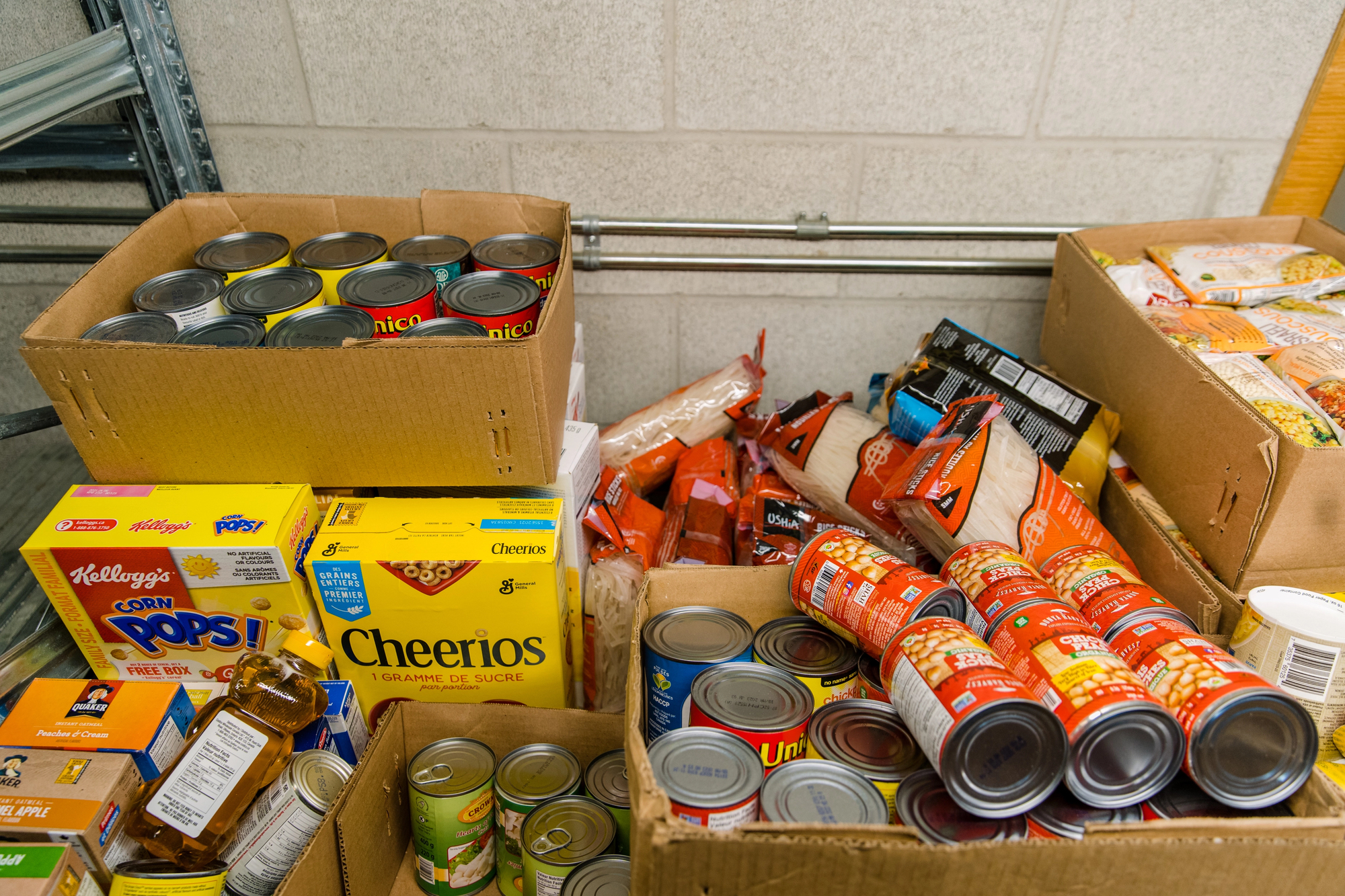
If you regularly buy an extra can of beans, a bag of rice, or a few shelf-stable groceries when they’re on sale, you’re already practicing a basic form of emergency preparedness. Having extra food available can help when bad weather keeps you home, stores close unexpectedly, or you simply can’t make it to the grocery store.
The important part is keeping foods your family actually eats and rotating them regularly so nothing goes to waste.
You grow some of your own food
You don’t need a large backyard or a working farm to become more self-sufficient. Growing tomatoes in containers, maintaining a small vegetable garden, or keeping a few herbs on the windowsill can teach you valuable skills and provide some fresh food.
A small garden won’t replace a three-day emergency food supply, but learning how to grow food is a practical skill that can become more useful over time.
You know how to make food last longer
If you freeze leftovers, dry herbs, preserve garden produce, or turn extra vegetables into meals for later, you’re already thinking about reducing waste and making the most of what you have.
These habits can also help you maintain a more dependable food supply. Just remember that refrigerated and frozen foods may become unsafe during an extended power outage, so shelf-stable storage methods and proper food preservation practices matter.
You keep flashlights and batteries where you can find them
Some people don’t think about emergency lighting until the electricity suddenly goes out. If you already keep working flashlights, spare batteries, or rechargeable lanterns in easy-to-reach places, you’re ahead of that problem.
It’s a simple habit, but it can make a big difference when the lights go out at night. Checking batteries occasionally is just as important as having the equipment.
Related: 15 Urban Survival Tricks for City Folks Who Don’t Have a Bunker
You buy household essentials before running out
Maybe you always keep an extra package of toilet paper, laundry detergent, soap, or other everyday necessities in the house. That might seem like ordinary household management, but it also means you’re less likely to run out of essentials when stores are closed or supplies become harder to find.
You don’t need to fill an entire closet with extras. Keeping a reasonable backup of products your household uses regularly is a practical place to start.
You know how to prepare a meal without electricity
If you’ve ever cooked over a campfire, used an outdoor camping stove, or prepared meals that don’t require heating, you’ve practiced a useful emergency skill.
During a prolonged power outage, knowing how to put together meals without your usual kitchen appliances can make life easier. Just remember that camping stoves, charcoal grills, and other fuel-burning cooking equipment should never be used indoors because of the risk of carbon monoxide poisoning.
Related: 21 Essential Emergency Supplies That Every Home Should Have Stocked
You keep drinking water available
Having a few extra gallons of drinking water stored at home might not seem like a big deal, but it’s one of the most important steps in emergency preparedness.
The Federal Emergency Management Agency (FEMA) recommends storing at least one gallon of water per person per day for several days, including water for drinking and sanitation. If you already keep extra water on hand, you’re off to a good start, but make sure you have enough for everyone in your household.
You know how to fix things instead of replacing them
Being able to repair a leaky faucet, mend clothing, troubleshoot a basic household problem, or maintain your own equipment can be surprisingly useful during an emergency.
These skills won’t replace an emergency supply kit, but they can help you solve everyday problems when professional help isn’t immediately available. Knowing when a repair is unsafe and requires a qualified professional is part of being prepared, too.
You have a basic first-aid kit and know how to use it
Keeping bandages, antiseptic supplies, gauze, and other first-aid essentials at home is something many people do without giving it much thought.
But having the supplies is only part of the equation. Knowing how to treat minor injuries, recognize when someone needs medical attention, and respond to common emergencies can be just as valuable as the items themselves.
You think ahead instead of waiting until something goes wrong
Maybe you check the weather before a storm, fill your gas tank before a long trip, keep important phone numbers handy, or make sure your family knows what to do if the power goes out.
These small decisions are all examples of planning ahead. Emergency preparedness often starts with recognizing what could go wrong and taking reasonable steps to make the situation easier to manage.