Most people know to stock up on bottled water, canned food, and flashlights before an emergency. But if the power goes out for three days, there are plenty of other things you might wish you’d thought about ahead of time.
The Federal Emergency Management Agency (FEMA), through its Ready.gov emergency preparedness program, recommends keeping enough basic supplies to last at least 72 hours. That includes one gallon of water per person per day, nonperishable food, flashlights, a battery-powered or hand-crank radio, and a first-aid kit.
But having the basics doesn’t necessarily mean you’re prepared for everything. Losing electricity can also affect your ability to cook, communicate, keep food safe, and manage everyday household needs, especially if other services are disrupted.
Here are 10 additional emergency supplies worth considering before the next extended power outage.
Portable emergency toilet or sanitation bucket
In a recent interview with Metro, emergency preparedness expert Darren Rhodes explained that government checklists are a useful starting point, but every household has different needs.
One of his recommendations is a portable camping toilet, which can be useful if an emergency disrupts water or sewage services. A sturdy sanitation bucket with a fitted toilet seat, heavy-duty liners, and absorbent material is another option worth considering.
Outdoor cooking stove and extra fuel
An electric stove becomes useless during a power outage, and even gas appliances may not operate normally without electricity. Rhodes recommends having a camping stove and fuel available, giving households another way to prepare meals or heat water. These stoves must be used outdoors, away from windows, doors, and vents, because burning fuel indoors can cause deadly carbon monoxide poisoning.
Battery-powered carbon monoxide detector
Carbon monoxide is an especially serious concern during power outages because people sometimes turn to generators, grills, or fuel-burning heaters for electricity and warmth.
Rhodes recommends having a carbon monoxide detector, and a battery-powered or battery-backup model can continue monitoring your home when the electricity goes out. Make sure detectors are working and never operate generators or outdoor cooking equipment inside your home or garage.
Battery-powered lanterns
Flashlights are useful for moving around in the dark, but holding one while cooking, cleaning, or helping children can quickly become inconvenient.
Rhodes suggests battery-powered lanterns, which provide broader lighting and can make an entire room easier to navigate. Keeping a few in different areas of the house can be especially helpful when several people need light at the same time.
Walkie-talkies for short-range communication
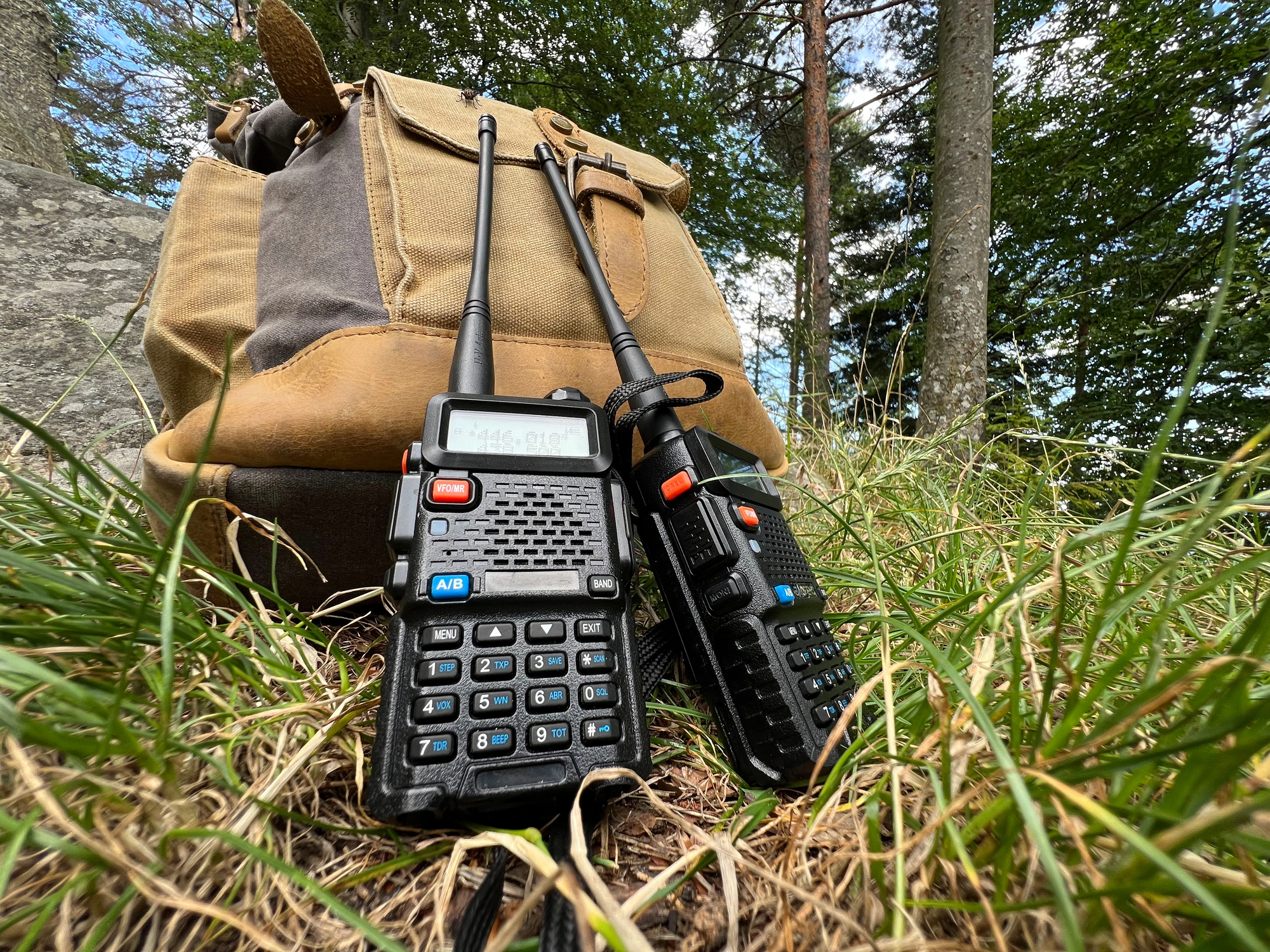
If cell towers or internet services stop working, contacting family members could become more difficult. Walkie-talkies are another way to communicate over short distances without relying on a cellular network. Their range depends on terrain, buildings, and the devices themselves, so test them before an emergency rather than assuming they’ll work everywhere.
Water purification tablets or a water filter
Storing bottled water is important, but an extended emergency could also affect the safety of your household’s water supply. Water purification tablets are an additional option, although different treatments work against different contaminants.
Choose products intended for drinking water, follow their instructions carefully, and remember that chemical contamination cannot necessarily be made safe through ordinary filtering or purification tablets.
Related: 15 Essential Prepper Supplies to Stock Beyond Food and Water
Waterproof matches or a reliable lighter
If you’re planning to use an outdoor camping stove or other emergency cooking equipment, you’ll need a reliable way to ignite it. Waterproof matches or a dependable lighter can be useful backups, particularly if your stove’s built-in ignition fails. Store them securely away from children and combustible materials, and only use fuel-burning cooking equipment outdoors.
Heavy-duty extension cords for backup power
A portable generator or backup power station may help keep essential devices running, but not every extension cord is suitable for the job. If your emergency plan includes backup electricity, keep properly rated cords that are compatible with your equipment and intended environment.
Never use an extension cord to connect a generator directly to a household outlet, and always operate fuel-burning generators outdoors, at least 20 feet from doors, windows, and vents.
Refrigerator and freezer thermometers
One of the biggest concerns during a prolonged outage is figuring out whether refrigerated and frozen food is still safe to eat. The USDA advises that an unopened refrigerator generally keeps food cold for about four hours, while a full freezer can maintain a safe temperature for approximately 48 hours, or 24 hours if half full. Appliance thermometers can help you check temperatures rather than guessing whether food is still safe.
A fire extinguisher
Emergency cooking, backup power equipment, and alternative heating arrangements can create additional fire hazards, especially when people use unfamiliar equipment. Keep an appropriate household fire extinguisher in an accessible location and make sure everyone knows how to use it. Use a fire extinguisher only for small, contained fires when you have a clear escape route; otherwise, evacuate and call emergency services.
Preparing for an outage means thinking beyond the basics
A 72-hour emergency kit is a good place to start, but every household has different needs. Families with young children, older adults, pets, or medical equipment may need supplies that go well beyond the standard emergency checklist.
The key is to think about what would happen if electricity, internet access, and other everyday services suddenly became unavailable. How would you prepare meals, communicate with family, keep food safe, or manage basic sanitation?
You don’t need to purchase everything at once. Start with the supplies you’re most likely to need, make sure you know how to use them safely, and gradually build an emergency kit that makes sense for your household.
For additional guidance, FEMA’s Ready.gov emergency supply checklist offers a useful starting point for preparing your home before an emergency happens.