Having a garbage disposal is incredibly convenient, especially when you’re cleaning up after dinner. But just because something fits down the drain doesn’t mean it belongs there.
Some common food scraps can damage your garbage disposal, clog your pipes, and leave you with an unexpected plumbing bill. Even foods that seem harmless can cause problems when they repeatedly end up down the kitchen sink.
Here are 11 things you’re better off tossing in the trash or adding to your compost pile.
Fruit Pits and Large Seeds
Avocado pits, peach pits, and other large seeds are far too hard for most household garbage disposals to handle. They can get lodged inside the unit, damage its grinding components, or put unnecessary strain on the motor.
Non-Food Items
Rubber bands, produce stickers, twist ties, bottle caps, and other small objects can easily end up in the kitchen sink. These items can jam or damage your disposal, so always check the sink before flipping the switch and disconnect the unit’s power before attempting to retrieve anything trapped inside.
Seafood Shells
Think twice before tossing shrimp, crab, or lobster shells down the garbage disposal after a seafood dinner. Their hard shells can be difficult to break down, and the remaining fragments may accumulate inside your pipes.
Nuts and Seeds
Think about what happens when you grind peanuts to make peanut butter. Larger quantities of nuts can produce a similar oily, sticky paste inside your garbage disposal, creating residue that can trap other food particles and contribute to clogs.
Large Food Scraps
Your garbage disposal is designed to handle small amounts of suitable food scraps, not an entire plate of leftovers. Feeding too much food into the unit at once can overwhelm the motor and increase the chances of a jam.
Grease, Oil, and Animal Fat
Pouring leftover cooking grease down the sink might seem like the easiest way to get rid of it, but it can solidify as it cools and coat the inside of your pipes. Even running hot water won’t prevent buildup over time, so let the grease cool and dispose of it in a suitable container.
Eggshells
Despite the popular belief that eggshells sharpen garbage disposal blades, most disposals use blunt grinding components rather than sharp blades. Crushed shells can collect inside your plumbing, and their thin membranes may get caught around moving parts.
Related: 11 Uses for Eggshells in Your Garden
Bones
Most standard garbage disposals aren’t equipped to handle large or dense chicken, pork, or beef bones. Even if the unit breaks them apart, the remaining fragments can contribute to drainage problems or damage the disposal itself.
Fibrous Vegetables
Celery, asparagus stalks, corn husks, and other stringy vegetables are better suited for the compost pile. Their long fibers can wrap around the disposal’s moving parts and make it difficult for the unit to operate properly.
Pasta and Rice
Leftover pasta and rice may seem soft enough to go down the disposal without causing trouble. However, they can keep absorbing moisture and become sticky, making them more likely to build up in your plumbing.
Coffee Grounds
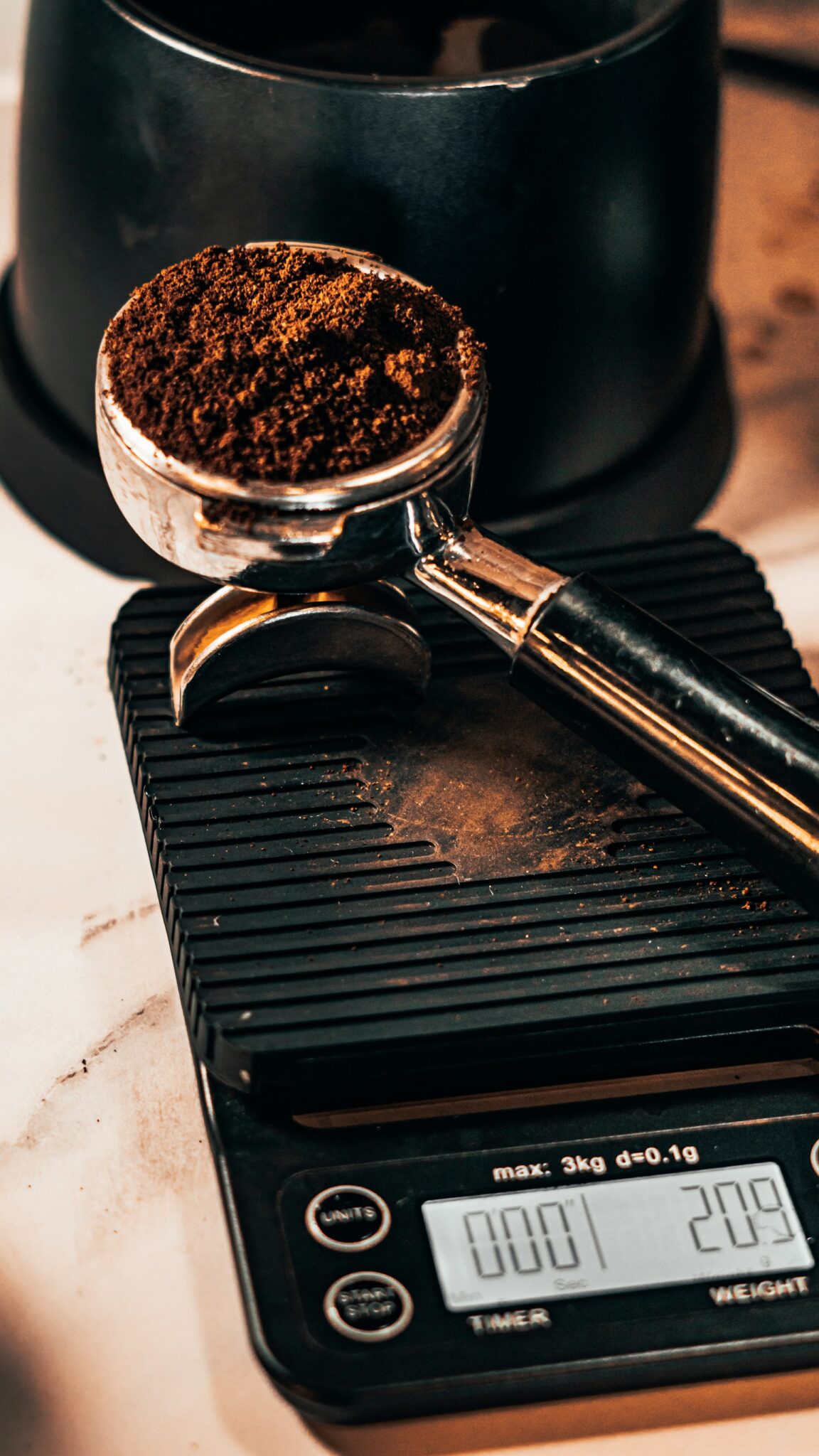
Coffee grounds may look small enough to wash straight down the drain, but they don’t dissolve in water. Over time, they can settle inside your pipes and combine with grease and other debris, so consider adding them to your compost pile instead.