Borax has been a household staple for generations, especially for laundry and cleaning. This inexpensive white powder can help with stubborn odors, dirty surfaces, laundry problems, and certain household pests.
Here are 11 household uses, along with a few safety tips to keep in mind before getting started.
What Is Borax?
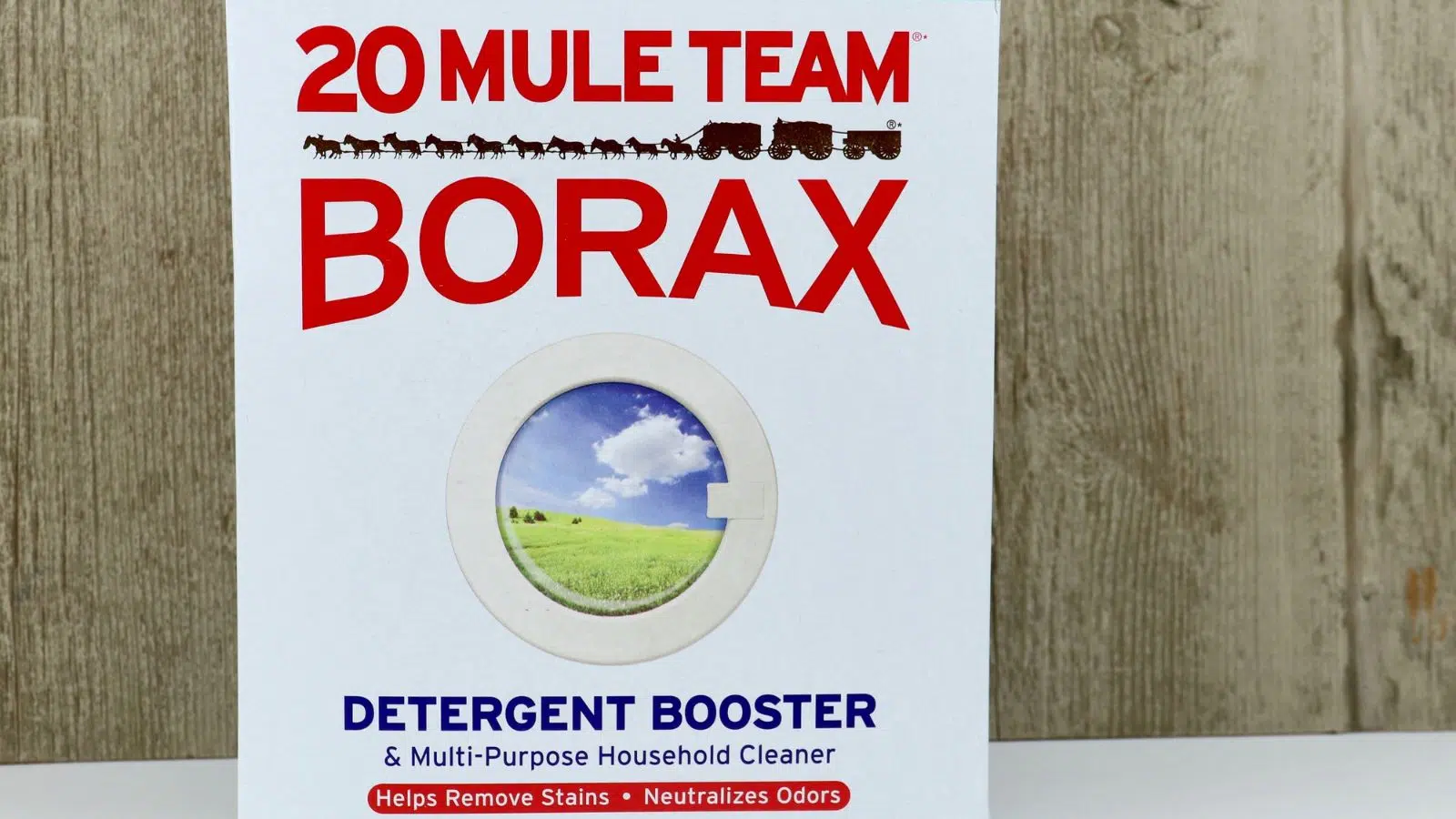
Borax, also known as sodium borate, is a naturally occurring mineral made up of sodium, boron, oxygen, and water. It forms in mineral deposits left behind as water evaporates, including areas of California’s Mojave Desert.
You might also see it listed as sodium tetraborate or disodium tetraborate. It comes as a white powder that dissolves in water and has been used in laundry products and household cleaners for many years.
Borax can help with dirt, grease, odors, and certain stains. It’s also used in some pest-control products and garden treatments, although those uses require extra care.
1. Give Laundry a Cleaning Boost
Borax can be added to your regular laundry detergent to help with unpleasant odors, dingy fabrics, and certain stains. Add ½ cup of borax to your wash along with your usual detergent.
Check the clothing care labels and your detergent instructions before adding borax, particularly when washing delicate fabrics.
2. Address Fungal Problems on Plants
Borax contains boron, a nutrient that plants need in very small amounts. However, too much boron can damage leaves, roots, and other parts of a plant.
Don’t use a homemade borax spray as a general treatment for plant fungus. Identify the disease first and choose a garden product labeled for the affected plant and problem.
3. Make a Simple Household Cleaner
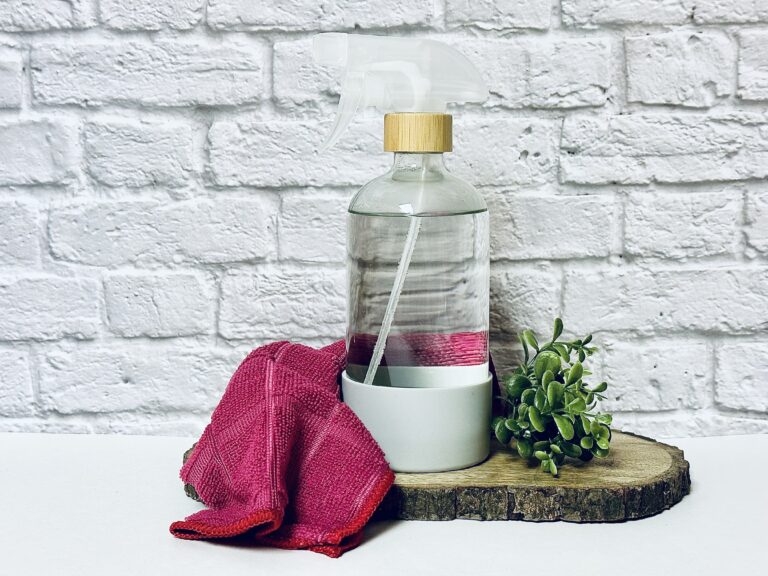
Borax can be mixed with warm water to clean certain washable household surfaces. Dissolve 1 cup of borax in 1 gallon of warm water, then use a cloth or sponge to wipe away dirt and greasy residue.
Try the mixture on a small, hidden area before cleaning the entire surface. Avoid using it on materials that may be damaged by alkaline cleaners.
4. Address Boron Deficiency in Garden Soil
Plants need boron for normal growth, but adding too much can cause serious problems. A borax treatment should only be considered when a soil test confirms that the soil has a boron deficiency.
Don’t sprinkle borax around plants simply because they’re growing poorly. Excess boron can build up in the soil, damage roots, and make it difficult to grow healthy plants.
5. Make Homemade Ant Bait
Borax is an ingredient in some homemade ant baits because ants can carry the bait back to their colony. One common recipe combines equal parts borax and sugar with enough water to form a paste.
Place small amounts near ant activity, keeping the mixture away from children and pets. For another setup, see How to Make a Borax Ant Trap.
6. Get Rid of Unpleasant Household Odors
Borax can help with odors in places such as garbage cans. Sprinkle a small amount into the bottom of an empty garbage can before putting in a fresh liner.
For washable surfaces, dissolve 1 tablespoon of borax in 1 quart of warm water and wipe the area clean. Keep the powder and cleaning mixture away from food, children, and pets.
7. Use Borax to Kill Certain Weeds
Borax can damage unwanted plants, which explains why some people use it as a weed treatment. Unfortunately, it can also harm nearby grass, flowers, vegetables, and other plants.
Avoid applying borax across large sections of your yard or garden. Boron can remain in the soil, making it difficult for other plants to grow later.
8. Clean Mold and Mildew From Washable Surfaces
Bathrooms, laundry rooms, and other damp areas can develop mold and mildew. Use a mixture of 1 cup borax and 1 gallon of water to scrub certain washable surfaces.
Apply the mixture with a cloth or scrub brush, then wipe the area clean and allow it to dry. If mold keeps returning, check for leaks, condensation, or other moisture problems that need attention.
9. Treat Certain Carpet Stains
Borax may help remove some stains from carpets and upholstery. Mix a little borax with water to form a paste, apply it to the affected area, and let it sit for about 30 minutes before removing it.
Test the mixture on a hidden section first, since some carpet fibers and dyes may react poorly. Follow the manufacturer’s cleaning instructions before treating the entire stain.
10. Help With Dishwasher Buildup
Hard water can leave mineral deposits on dishes and inside dishwashers. Borax is sometimes used as a household cleaning aid, with about 1 tablespoon added alongside regular dishwasher detergent.
Check your dishwasher manual before trying this method. Some manufacturers advise against using cleaning products that aren’t approved for the appliance.
11. Help With Hard Water in the Laundry
Hard water contains minerals that can interfere with laundry detergent and leave fabrics feeling stiff. Borax can help condition wash water, making it easier for detergent to work during the wash cycle.
Try adding ¼ cup to a load of laundry, following the product directions and your washing machine’s instructions. Avoid adding more than the recommended amount.
Other Topics You Might Like
- 10 Strange Things That Are Surprisingly Smart to Stockpile
- How to Clean a Wood Cutting Board
- 15 Safe Ways to Clean a Cast Iron Skillet Without Ruining the Seasoning
- 12 Things Professional Organizers Would Never Store Under the Kitchen Sink
- 12 Small Habits That Make a Big Difference in Keeping Your Home Clean