From power outages and food shortages to cyberattacks and natural disasters, people are stocking their pantries and investing in emergency supplies to prepare for whatever might happen.
But one prepper recently raised an interesting question: What if none of those disasters ever happen?
It’s a possibility that doesn’t get much attention in preparedness discussions, which usually focus on having enough food, water, and equipment to survive an emergency. But preparing for the worst can also come with financial and emotional costs, especially when people start stockpiling months or even years of supplies.
A recent Reddit discussion brought that concern into the spotlight, sparking a debate about how much emergency preparedness is actually necessary.
One prepper questioned whether people are going too far
A Reddit user pointed out that one of the most likely scenarios people should prepare for is simply that life continues as normal.
The user didn’t argue against emergency preparedness. Instead, they questioned how much money and emotional energy people should invest in preparing for situations that may never happen.
Having enough supplies to get through three to seven days without electricity, running water, or access to groceries seemed reasonable to the poster. But preparing for six months or longer raised a different question: how much were people sacrificing financially and emotionally?
The user encouraged others to consider their household budgets, family responsibilities, and whether their preparations were creating unnecessary stress.
Some agreed that emergency preparedness has gotten out of hand
Several commenters agreed that preparing for emergencies makes sense, but worried that some people were becoming overly focused on worst-case scenarios.
One person questioned the need to stockpile weeks of drinking water and specialized equipment when shorter disruptions were more realistic for their circumstances. Others pointed to expensive gadgets and emergency supplies that might never get used.
The emotional side of preparedness also came up. Some worried that constantly anticipating disaster could create anxiety, particularly for families with children.
One commenter even cautioned parents against turning emergency drills into frightening experiences, while another argued that teaching children basic fire safety and evacuation procedures was an important part of keeping them safe.
Related: The Government Is Preparing for 90-Day Supply Shortages. Should American Households Do the Same?
Others argued that being prepared is never a waste
Not everyone agreed that long-term emergency supplies were an unnecessary expense.
Several commenters explained that their preparations had already proved useful during winter storms, power outages, and other disruptions.
Others compared emergency preparedness to insurance. People pay for protection against events they hope will never happen, and having supplies available can provide similar peace of mind.
Some also pointed out that stocking up on everyday groceries when they’re on sale can actually save money, provided those supplies are regularly used and replaced.
Preppers shared a simpler way to prepare without wasting money
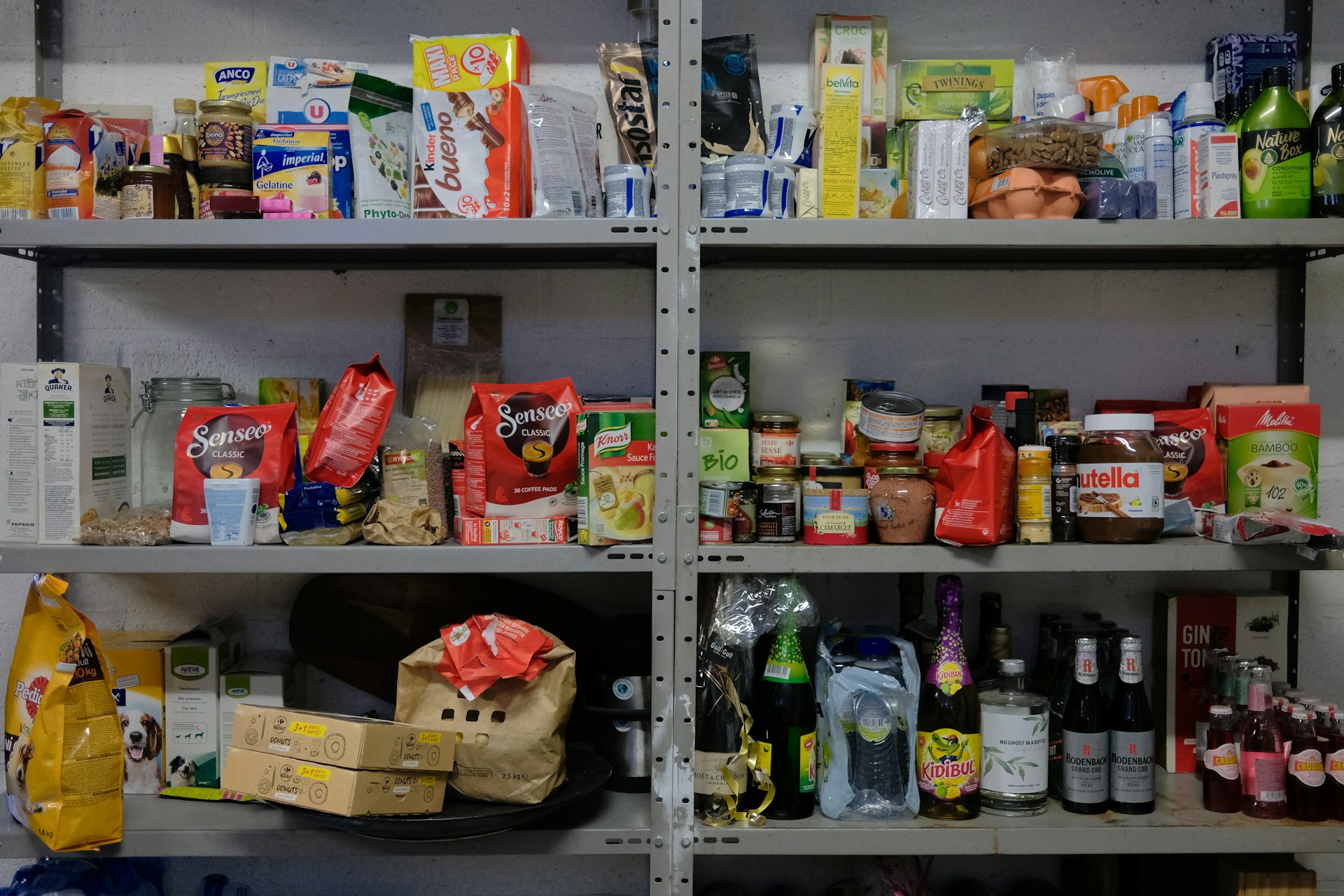
One of the most practical suggestions was to build an emergency pantry around foods the household already eats.
Rather than buying large quantities of unfamiliar survival food, commenters recommended keeping extra canned goods, rice, pasta, and other shelf-stable staples on hand. Using those groceries regularly and replacing them as needed helps prevent food waste and keeps emergency supplies from becoming an expensive collection of forgotten purchases.
Others suggested starting with enough supplies for a few days before gradually expanding based on household needs, local risks, and available finances.
Several also recommended choosing equipment that serves multiple purposes. Camping supplies, flashlights, power banks, and basic cooking equipment can be useful during emergencies without sitting unused for years.
So, how much emergency preparedness is too much?
There’s no single answer because every household faces different risks. Someone living in a remote area with frequent power outages may reasonably need more supplies than someone who rarely experiences disruptions.
But the Reddit discussion raised an important point about balancing preparedness with everyday life. Spending money on emergency supplies shouldn’t mean neglecting bills, draining savings, or causing unnecessary family anxiety.
Preparing for emergencies can provide peace of mind, but it doesn’t have to involve filling an entire room with food or buying every survival gadget available.
And if the disaster you’ve been preparing for never happens, having a well-stocked pantry, useful equipment, and money still in the bank isn’t such a bad outcome.