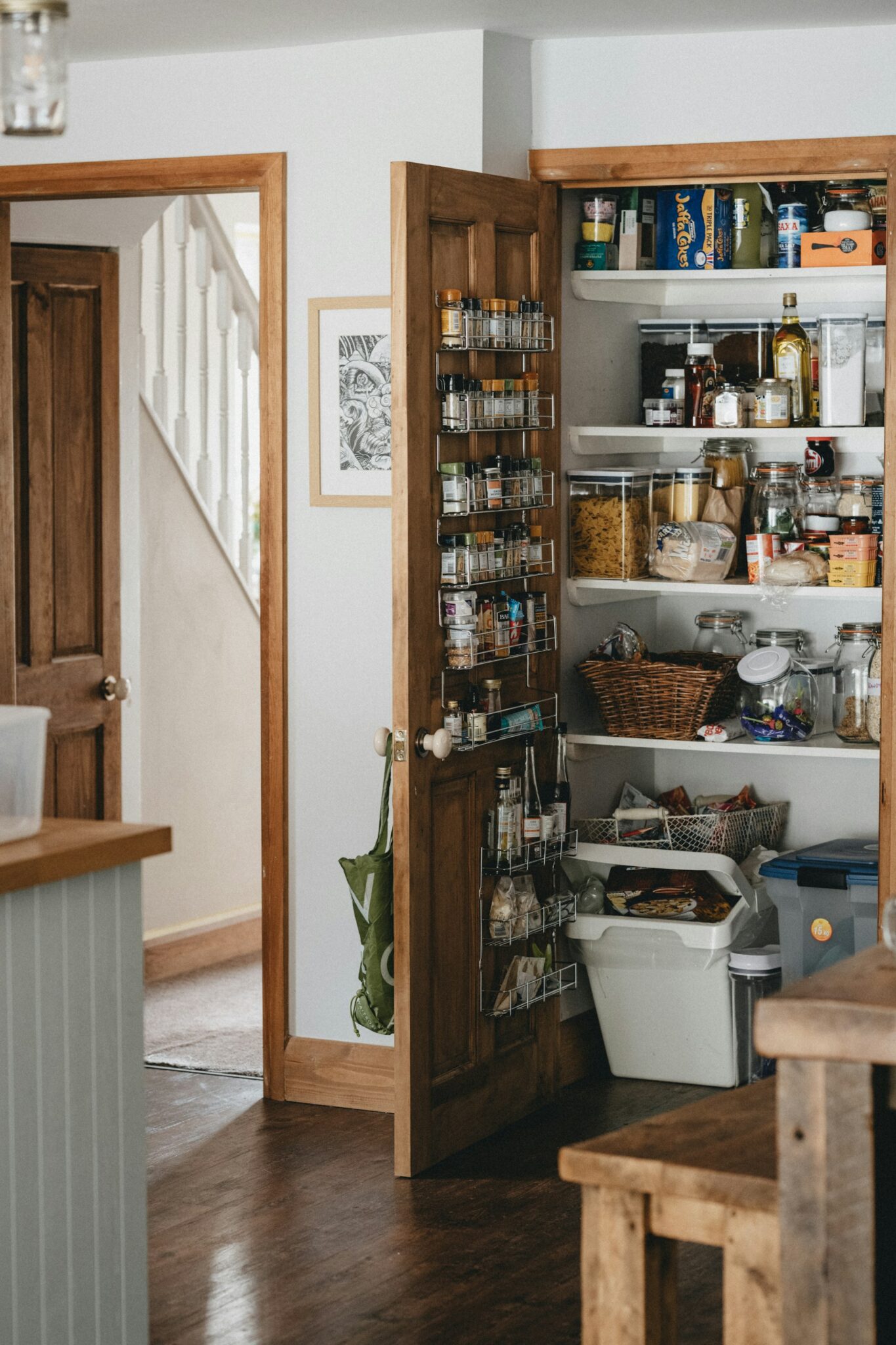
Have you ever cleaned out your pantry or refrigerator and thrown away food simply because the date on the package had passed? It’s an easy mistake to make, especially since food labels can be confusing and don’t always mean a product becomes unsafe the next day.
Labels such as “best by” and “sell by” often refer to freshness or quality rather than a strict safety deadline. Storage makes a difference, too. Food kept in a sealed container in a cool, dry place may last longer than something exposed to heat, moisture, or pests.
That doesn’t mean you should ignore signs of spoilage. Mold, strange odors, leaks, damaged packaging, discoloration, and other unusual changes are reasons to be cautious.
Before tossing everything in your pantry, take a look at these 14 foods. Some can remain usable beyond their printed dates, provided they’ve been stored properly and show no signs of spoilage.
1. Oats
Rolled oats can stay good for quite a while if they’re stored in an airtight container in a cool, dry pantry. They’re useful to keep on hand for oatmeal, baking, and even thickening certain recipes.
Before using an older package, check for insects, moisture, and mold. If the oats smell stale or rancid, it’s time to throw them out.
Related: Healthy Canned Foods That Make Smart Pantry Staples
2. Peanut Butter
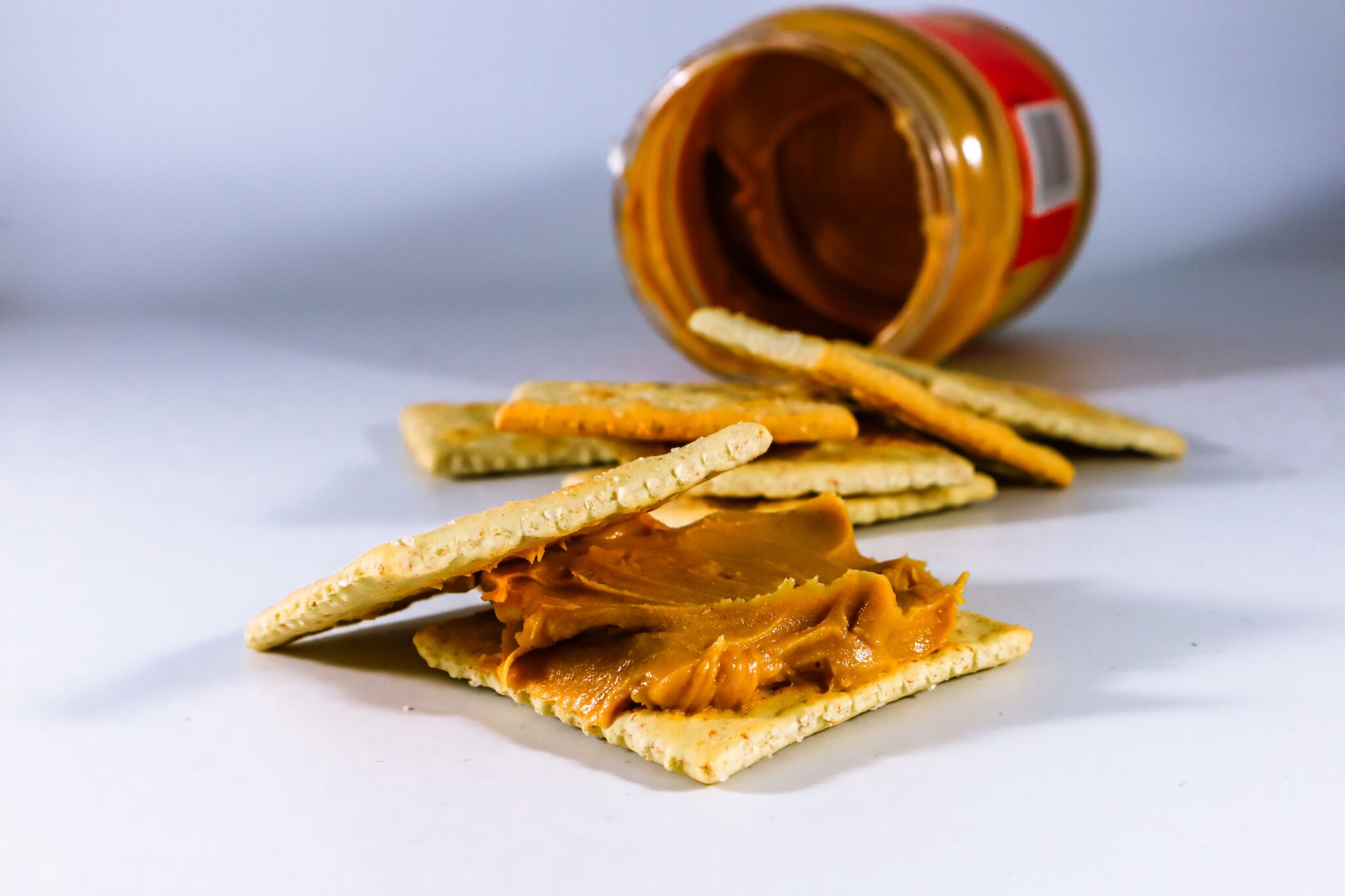
Unopened commercial peanut butter can often remain usable past its printed date when stored in a cool, dry place. Once opened, follow the storage instructions on the jar and check for changes in smell or appearance.
Natural peanut butter needs a little more attention because its oils can separate and turn rancid over time. Oil separation is normal, but a stale or paint-like smell means it’s time to discard it.
Related: 23 Pantry Staples Worth Buying Before Supplies Run Low
3. Canned Goods
Canned food can remain good for years when stored properly, and the packaging stays intact. Keep cans in a cool, dry location rather than a hot garage or somewhere with large temperature swings.
Inspect each can before opening it, and throw away any with leaks, swelling, severe dents, or a bulging lid. Rust or damage around the seams is another reason to discard a can, and you should never taste questionable canned food to check whether it’s safe.
Related: 17 Seasonings and Condiments Every Emergency Pantry Should Have
4. Dried Pasta
Dried pasta can sit in your pantry well past its printed date if it’s kept sealed and protected from moisture. It’s one of those staples that’s handy to have around for quick meals.
Before cooking older pasta, check for insects, mold, dampness, or anything unusual. If water has gotten into the package, it’s safer to throw it away.
Related: 15 Pantry Staples That Can Turn Into Hundreds of Meals
5. Baking Soda
Baking soda doesn’t spoil like fresh food, but it can lose its ability to help baked goods rise. If an old box no longer works well for baking, that doesn’t mean it has to go straight into the trash.
You can still use it for household jobs such as deodorizing the refrigerator, scrubbing surfaces, and cleaning. Just keep it separate from food once you’ve started using it for cleaning.
6. Honey
Honey can last an exceptionally long time when stored properly because its low moisture content makes it difficult for many microorganisms to grow. Keep the container tightly closed and store it at room temperature.
Honey may crystallize and become thick or grainy as it sits, but that doesn’t automatically mean it’s spoiled. If it’s still in good condition, gently warming the sealed container in warm water can help return it to a more liquid state.
7. Rice
White rice can last for years when kept away from moisture, heat, and insects. For long-term storage, transfer it to an airtight, food-grade container and consider using oxygen absorbers when appropriate.
Brown rice has a shorter shelf life because its natural oils can turn rancid. If you’re stocking up on rice for long-term pantry storage, white rice is usually the better choice.
8. Dried Beans
Dried beans can last a long time in the pantry if they’re protected from moisture and insects. Older beans may take longer to soak and cook, but age alone doesn’t mean they’ve spoiled.
They may take longer to cook as they sit in storage. Check for mold, insects, dampness, and unusual odors before preparing them.
9. Salt
Salt is one pantry staple that can remain usable for an extremely long time. Pure salt doesn’t spoil under normal storage conditions.
Moisture can make salt clump, but that alone doesn’t mean it’s gone bad. Keep it in a sealed, dry container to prevent moisture and contamination.
10. Granulated Sugar
Granulated sugar can last for years when stored in a dry, sealed container. It may become hard or lumpy after absorbing moisture, but that doesn’t necessarily make it unsafe.
Check older bags for insects or other signs of contamination before using them. A tightly closed container can help keep pantry pests and moisture away.
11. Powdered Milk
Unopened powdered milk can often remain usable beyond its printed date when kept in a cool, dry place. Once the package is opened, seal it tightly and keep moisture out.
Before using an older package, look for unusual discoloration, damp clumps, insects, or an unpleasant smell. Powdered milk can also be added to bread, baked goods, and soups, so it has plenty of uses beyond making a glass of milk.
12. Vinegar
White vinegar can last a very long time because its acidity makes it resistant to spoilage. Keep the bottle tightly closed and store it away from direct sunlight.
You may notice some changes in appearance as it ages, but properly stored white vinegar generally remains useful for cooking and household cleaning. Check the product label for any specific storage instructions.
13. Eggs
Refrigerated eggs can sometimes remain usable beyond the date printed on the carton, but they shouldn’t be kept indefinitely. Keep them cold and follow food-safety guidance for storage and handling.
The water-float test can give you an idea of an egg’s age, but it can’t tell you whether the egg is safe to eat. If you’re unsure, crack it into a separate bowl and check for an unusual smell or appearance before using it.
Eggs are inexpensive and useful in plenty of recipes, so it’s better to use them while they’re fresh rather than trying to stretch their storage time too far.
14. Hard Cheese
Hard cheeses usually last longer than soft cheeses because they contain less moisture. Keeping them properly refrigerated can help them stay good beyond the date printed on the package.
Some firm cheeses can be saved if a small patch of surface mold appears. The moldy area should be cut away generously, while soft cheeses and shredded or crumbled cheeses with mold should be discarded.
A date printed on a package doesn’t tell the whole story about whether food is still usable. Storage conditions, packaging, the type of food, and signs of spoilage all matter.
Check older food carefully, and don’t take chances with anything that looks or smells off. Saving money and reducing food waste are worthwhile, but they’re never worth risking your health.