Most of us don’t think much about electricity until it suddenly goes out. At first, it’s usually just an inconvenience. You grab a flashlight, check your phone, and hope the power comes back before everything in the refrigerator starts getting warm.
But what happens when it doesn’t come back that night? Or the next morning?
Between severe storms, flooding, wildfires, and other emergencies, losing electricity for an extended period is something every household should be prepared for. And while a few hours without power might not be a big deal, going three full days without it can become a much bigger problem.
The Federal Emergency Management Agency (FEMA) recommends keeping enough basic emergency supplies to last at least 72 hours. That includes food, water, lighting, and a way to receive important updates when your usual sources of information aren’t available.
Here are 10 emergency supplies worth having on hand before the next extended power outage.
1. A Battery-Powered or Hand-Crank Emergency Radio
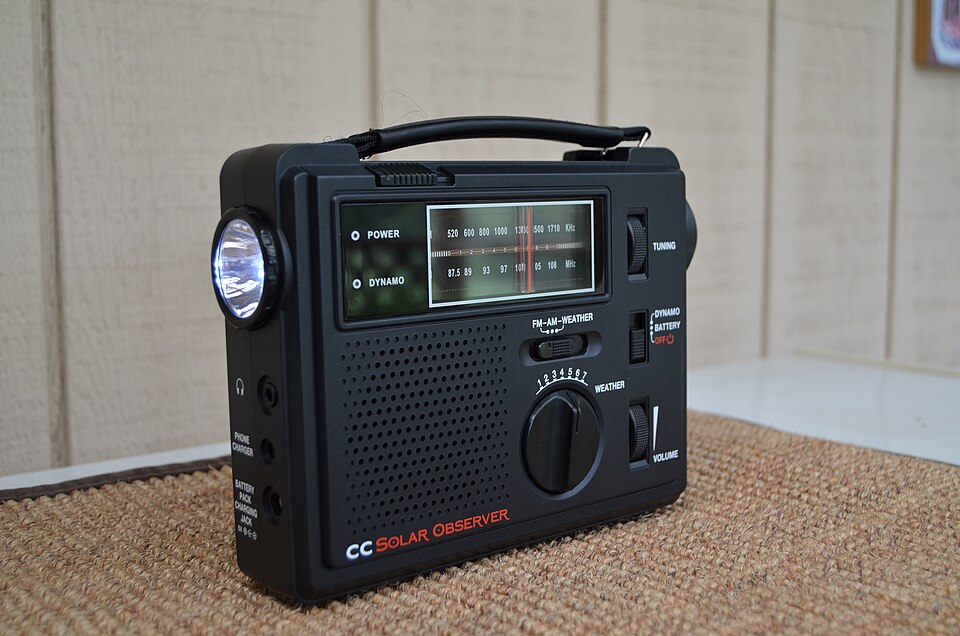
Most of us rely on our phones for weather updates, news, and emergency alerts. But during a widespread outage, cell towers can lose power, networks can become overloaded, and your phone battery will eventually run out.
That’s why a battery-powered or hand-crank emergency radio is worth keeping around. Look for one that receives NOAA Weather Radio broadcasts, along with AM/FM stations, so you have another way to get important information when the internet isn’t working.
Some emergency radios also include a flashlight, USB charging port, or solar panel. Those extras can be useful, but reliable reception and a dependable power source matter more than having every feature imaginable.
2. Enough Drinking Water for Three Days
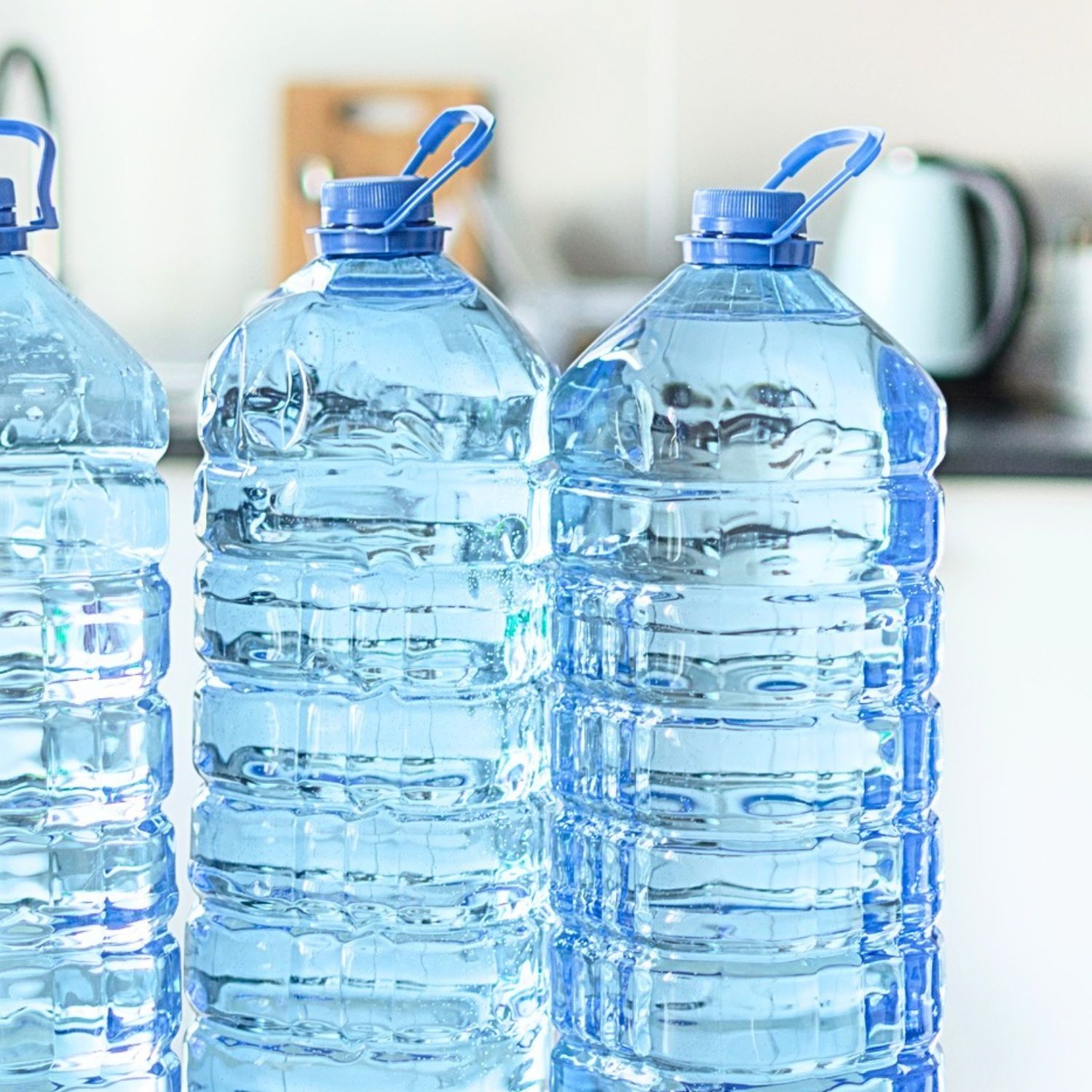
Water is one of those things that’s easy to overlook during a power outage because you assume the faucets will keep working. In some emergencies, though, water treatment facilities, pumps, or local water systems can be affected, leaving you without a reliable supply.
The CDC recommends storing at least one gallon of water per person per day for drinking and basic sanitation. For a family of four, that means having at least 12 gallons available for three days, with extra water for pets, medical needs, or hot weather.
You don’t necessarily need expensive emergency water containers. Unopened commercially bottled water is an easy option, and properly cleaned food-grade containers can also work if you follow safe storage guidelines.
3. Flashlights and Extra Batteries
I would much rather have several flashlights around the house than depend on one flashlight that nobody can find when the lights go out. Keep one in an easy-to-reach spot, another near the bedrooms, and a few extras with your emergency supplies.
Battery-powered lanterns are also worth considering because they can light up an entire room without someone having to hold them. Make sure you have spare batteries or a way to recharge your lights, and avoid relying on candles because of the fire risk.
4. Nonperishable Food That Doesn’t Need Cooking
When the electricity goes out, your refrigerator and freezer immediately become a concern. According to the USDA, a refrigerator generally keeps food safe for about four hours without power if the door stays closed, while a full freezer can maintain its temperature for approximately 48 hours.
That’s why having three days’ worth of food that doesn’t require refrigeration or cooking is so important. Canned beans, peanut butter, crackers, shelf-stable milk, nuts, and ready-to-eat meals are all practical options.
Stock foods the family already eats rather than buying expensive survival food that might sit untouched for years. Just remember to keep a manual can opener with your supplies, especially if your everyday opener is electric.
Related: 15 Absolute Best Canned Foods to Stockpile in Your Emergency Pantry
5. Portable Power Banks and Charging Cables
Your phone becomes even more important during an emergency, especially when you’re trying to contact family members, check on neighbors, or get updates about what’s happening.
A fully charged portable power bank can give you extra battery life when there’s no electricity available. I recommend keeping at least one good-quality power bank with your emergency supplies, along with charging cables that work with your household’s devices.
Get into the habit of checking the charge every few months. A power bank that’s been sitting in a drawer for two years isn’t much help if the battery is empty when you finally need it.
6. A Well-Stocked First Aid Kit and Essential Medications
Minor injuries don’t stop happening just because the power is out. In fact, navigating a dark house, cleaning up storm damage, or handling unfamiliar equipment can create additional opportunities for cuts and accidents.
Keep a first aid kit stocked with bandages, antiseptic wipes, gauze, medical tape, gloves, and other basic supplies. It’s also important to plan ahead for prescription medications, necessary medical devices, and anything family members depend on daily.
If someone in your household uses medical equipment that requires electricity, don’t wait until an outage to figure out what to do. Work with their healthcare provider and utility company to develop a backup power plan.
7. Warm Blankets and Weather-Appropriate Clothing
Losing electricity can also mean losing your heating or air conditioning, depending on how your home is set up. During extremely cold or hot weather, indoor temperatures can become uncomfortable or even dangerous much faster than people expect.
Keep extra blankets, warm socks, layers of clothing, and weather-appropriate bedding available for everyone in the household. In hot weather, lightweight clothing, access to drinking water, and knowing where to find a cooling center can be just as important.
Never use an outdoor grill, camp stove, charcoal burner, or portable generator inside your home to stay warm or cook food. These can produce dangerous carbon monoxide, even when doors or windows are open.
8. Basic Hygiene and Sanitation Supplies
Nobody gets particularly excited about stocking up on toilet paper, trash bags, and hand sanitizer, but you’ll be glad to have them if your household routines are disrupted for several days.
Keep a small supply of toilet paper, wet wipes, soap, hand sanitizer, heavy-duty trash bags, and personal hygiene products with your emergency supplies. If you have young children, remember diapers, wipes, and anything else they use regularly.
These supplies become especially important if a power outage also affects your water service or plumbing. It’s much easier to prepare for that possibility ahead of time than to figure it out when stores are closed.
9. Cash in Small Bills
It’s easy to forget how dependent we are on debit cards, credit cards, and digital payments until the electricity goes out. During a widespread outage, some stores may not be able to process electronic transactions, even if they’re still open.
Keeping a modest amount of emergency cash in small bills can help you purchase essentials when card readers aren’t working. The amount will depend on your household, but having enough for basic food, transportation, or other immediate needs is a reasonable place to start.
Keep the cash somewhere secure, dry, and easy for you to access when needed.
10. A Battery-Powered Carbon Monoxide Detector
This might not be the first thing that comes to mind when putting together an emergency kit, but it’s one of the most important safety items to have in your home.
During power outages, people sometimes turn to generators, camping equipment, or other alternative sources of heat and electricity. When these are used improperly, they can produce carbon monoxide, an invisible, odorless gas that can be deadly.
The CDC recommends installing battery-operated or battery-backup carbon monoxide detectors near sleeping areas and following the manufacturer’s instructions. Portable generators should always be operated outdoors, at least 20 feet away from doors, windows, and vents.
You Don’t Have to Buy Everything at Once
Preparing for a three-day power outage doesn’t have to become another expensive household project. Start by checking what you already have, then make a short list of anything that’s missing.
The goal isn’t to prepare for every possible disaster. It’s to make sure your household can get through a few difficult days safely and with a little less stress.