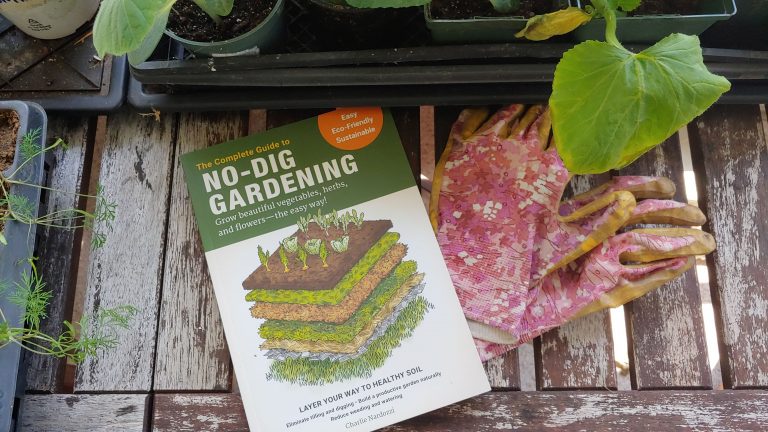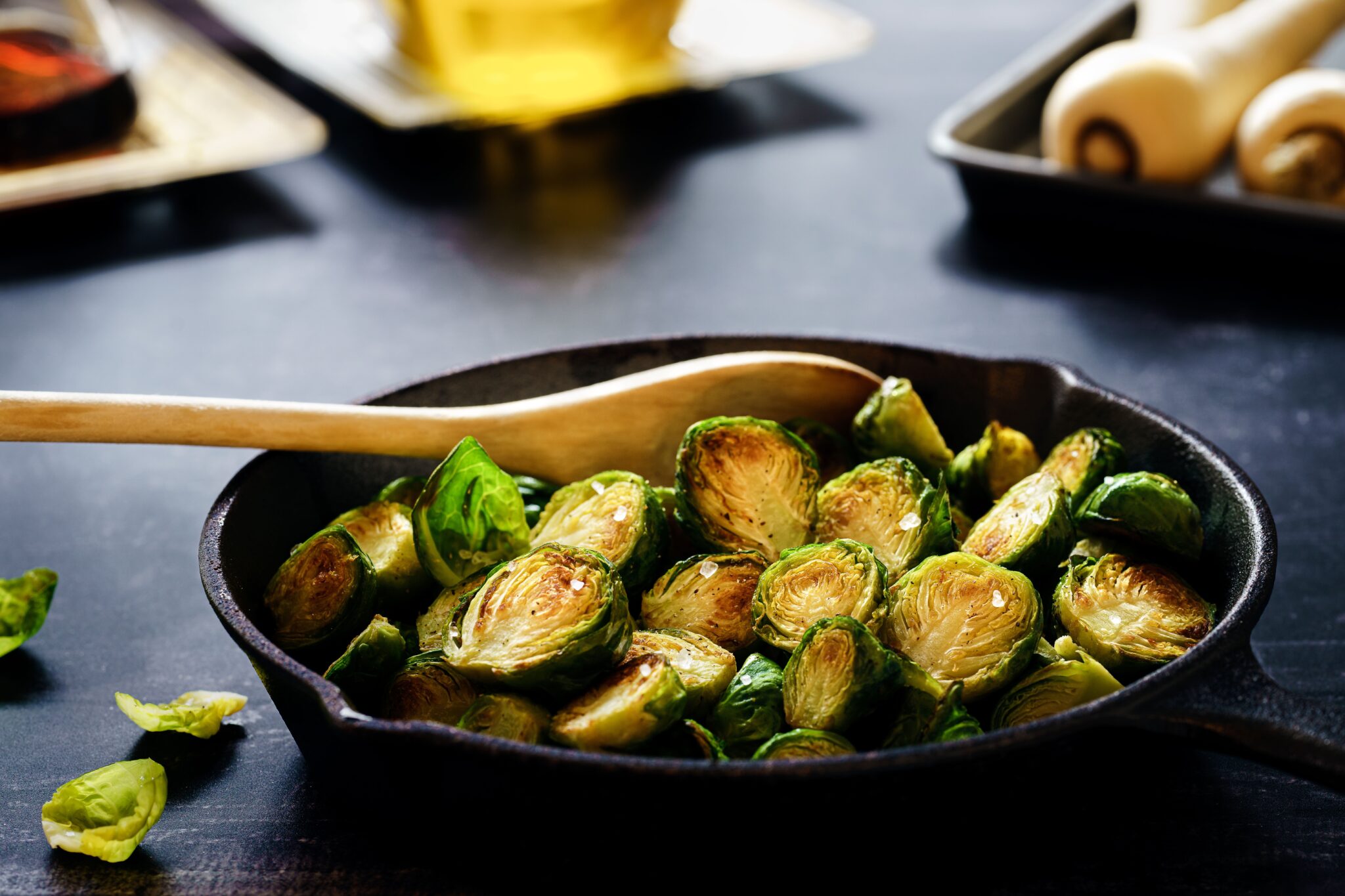
For years, grocery stores have made it easy to get just about anything we need. Fresh vegetables, herbs, eggs, and even prepared meals are available without growing or making anything ourselves.
But some millennials are becoming more interested in producing at least a portion of their own food. They’re planting vegetable gardens, raising backyard chickens, learning to preserve their harvests, and picking up skills that previous generations relied on.
For some, it’s about saving money. For others, it’s about knowing where their food comes from, becoming more self-sufficient, or simply enjoying the satisfaction of growing something themselves.
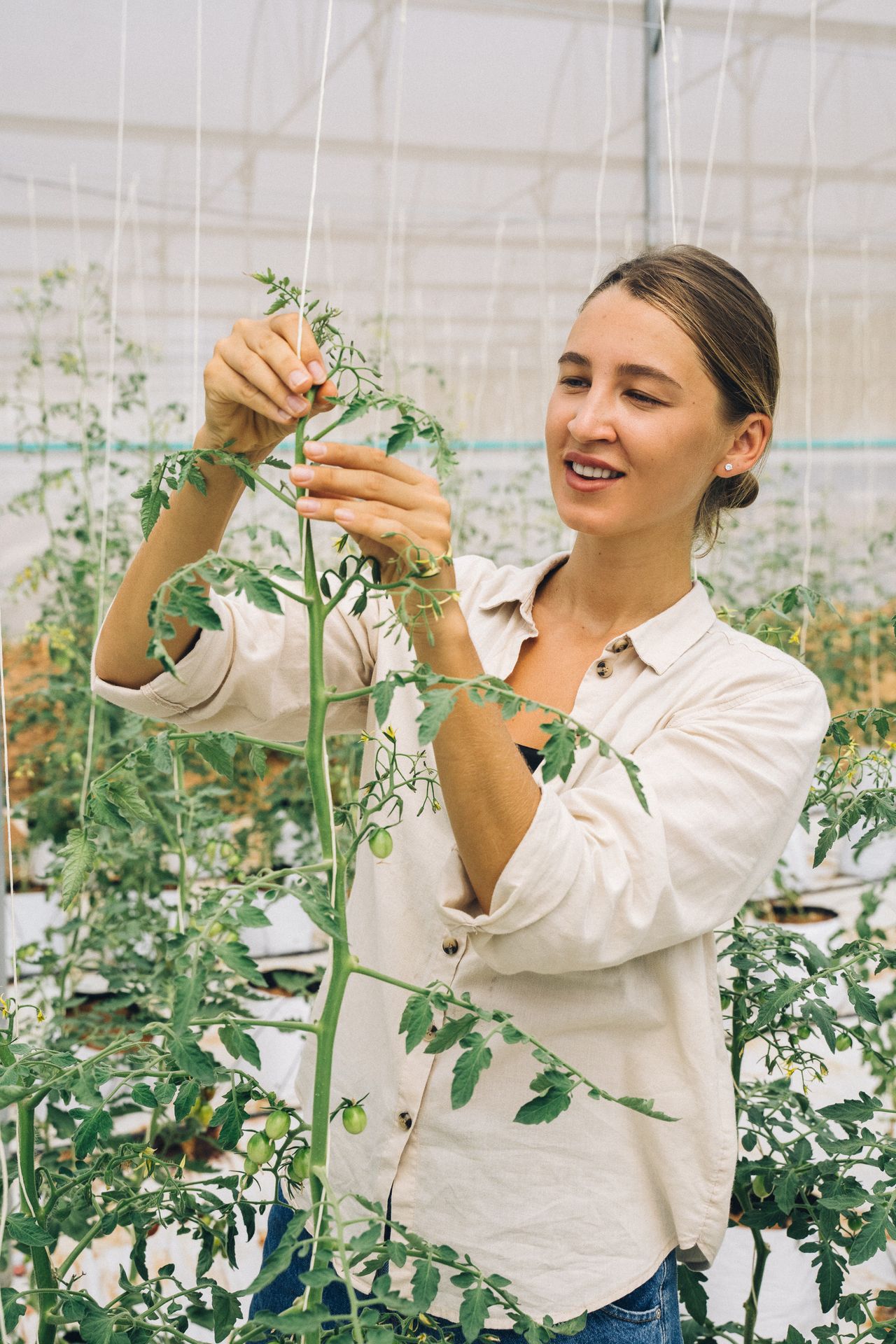
1. Grocery Prices Are Making Homegrown Food More Appealing
With grocery costs taking up a significant portion of household budgets, growing food at home can help supplement what families buy. A small vegetable garden can provide tomatoes, peppers, lettuce, and herbs throughout the growing season. While gardening has upfront costs, growing crops your family eats regularly can reduce grocery purchases over time.
2. They Want to Know Where Their Food Comes From
Growing your own food gives you more control over how it’s produced, including the varieties you plant and the fertilizers or pest-control methods you use. For those interested in organic gardening or reducing pesticide use, having a backyard garden makes those choices easier. There’s also something satisfying about preparing dinner with vegetables you picked just minutes earlier.
3. They’re Looking for More Independence
The pandemic and other supply disruptions showed how quickly everyday shopping routines can change, encouraging some millennials to become less dependent on grocery stores. Growing vegetables, preserving food, and keeping a stocked pantry can provide additional options when prices rise or certain products become unavailable. While a home garden won’t replace the grocery store entirely, it can be a practical step toward greater self-sufficiency.
4. Old-Fashioned Skills Are Becoming Useful Again
Gardening often leads to learning other skills, including canning, freezing, dehydrating, and saving seeds for the next growing season. Some people also become interested in baking bread, composting kitchen scraps, and cooking more meals from scratch. These skills were once part of everyday life for previous generations, and some millennials are discovering how useful they can still be.
5. Gardening Offers a Break From Screens and Busy Schedules
For people who spend much of their day sitting at a computer or looking at a phone, gardening offers a chance to get outdoors and work with their hands. Planting seeds, watering vegetables, and watching new growth can be rewarding, even when weeds, pests, and unpredictable weather make things challenging. There’s a certain satisfaction in growing something from a tiny seed into food you can actually eat.
6. You Don’t Need a Farm to Grow Your Own Food
One common misconception is that growing food requires several acres of land, but even small spaces can produce a surprising amount. Raised beds, containers, balconies, patios, and community gardens all offer opportunities to grow vegetables and herbs. An apartment dweller might grow lettuce or peppers in containers, while a homeowner could dedicate a few backyard beds to vegetables.
7. It’s About More Than Just Saving Money
Growing food can change how people think about what ends up on their plates, especially after spending months tending plants and waiting for a harvest. It can encourage families to cook more meals at home, waste less food, and experiment with vegetables they might not normally buy. For households with children, gardening also offers a chance to teach practical skills and help kids understand where their food comes from.