Keeping extra food at home can make a stressful situation a little easier to manage. The tricky part is finding room for canned goods, dry ingredients, and ready-to-eat meals without filling every cupboard and countertop.
You may already have more storage space than you realize. Spare closets, the space under your bed, and unused shelves can hold extra supplies, as long as the food stays dry, pest-free, and within a safe temperature range.
Here are 12 places around your home to check before buying more storage furniture.
Kitchen Pantry
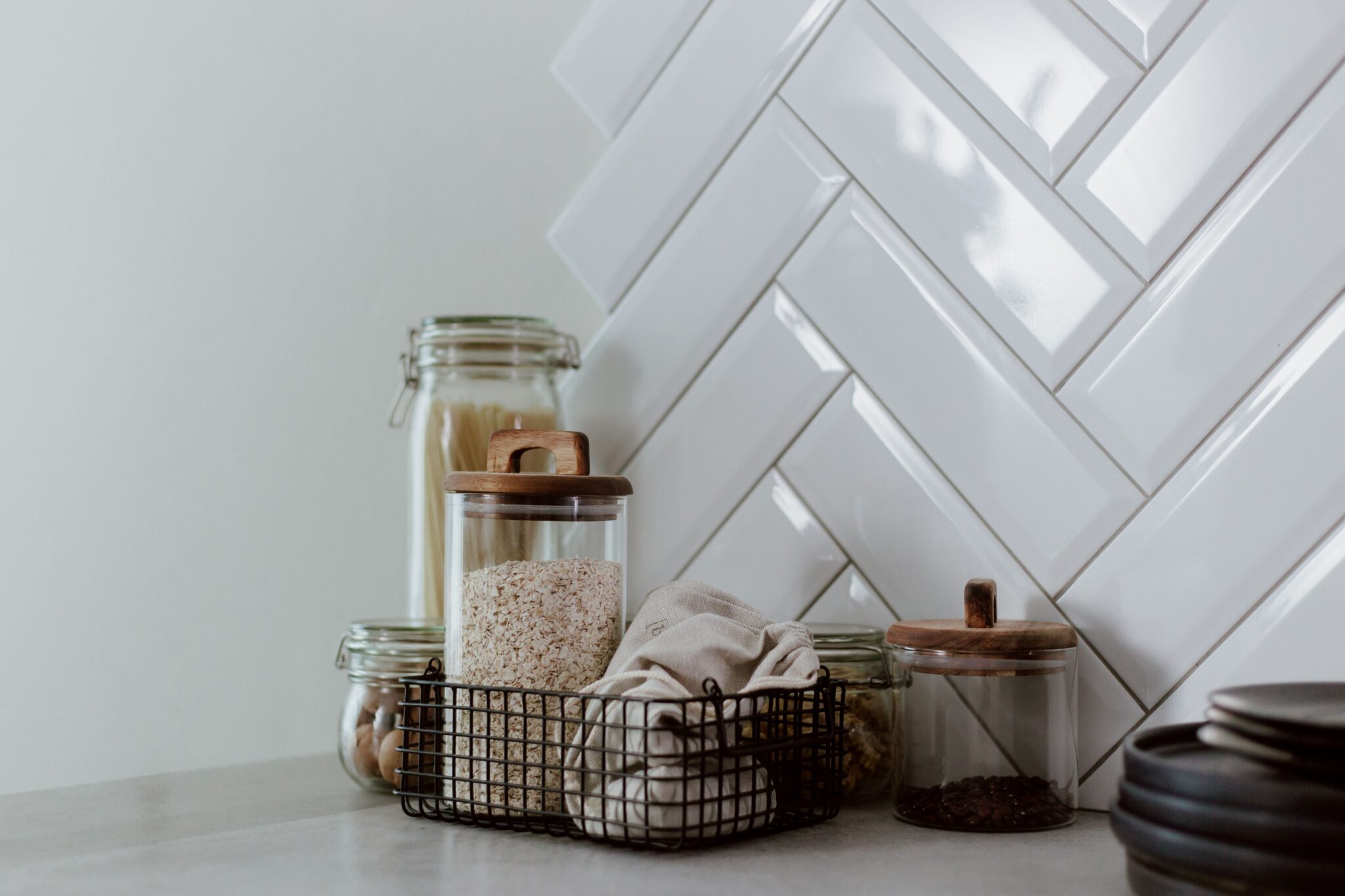
Your kitchen pantry is a natural starting point for emergency food supplies because you can check your stock while preparing everyday meals. Stackable shelves, labeled bins, and clear containers can free up space and help you track expiration dates.
Place older products toward the front so you use them before opening newer packages.
Related: How to Keep an Uncluttered, Organized Kitchen Pantry
Basement
A basement can hold bulk supplies such as canned vegetables, pasta, rice, and other shelf-stable foods if the temperature and humidity stay within safe limits. Store everything on sturdy shelves, not directly on the floor, where leaks or flooding could ruin your stock.
Check for dampness, condensation, and pest signs before choosing a storage spot. If the basement gets wet or humid, move food to a drier area.
Under the Bed
The space beneath your bed can hold extra food without taking up room in your kitchen. Low-profile bins work well for sealed packages of pasta, crackers, dry meals, and other room-temperature items.
Choose lidded containers to keep dust and pests out, and label each bin so you know what’s inside. Check supplies periodically and bring older items into your regular meal rotation.
Related: 14 Monthly Home Maintenance Tasks Every Homeowner Should Do
Closets
A spare bedroom closet can serve as a small emergency pantry if you have floor space or extra shelves. Use sturdy bins to group canned food, dry goods, snacks, and other supplies so you can find what you need without unpacking everything.
Keep food away from damp walls, shoes, chemicals, and anything that could attract insects or rodents. Choose a closet that stays cool and dry year-round.
Garage
A garage offers room for bulk purchases, but it can be a poor choice for food if temperatures swing from very hot to very cold. Heat can shorten the quality and storage life of many products, including canned goods.
If your garage stays within the storage temperatures listed on the packaging, keep food on shelves and out of direct sunlight. Use sealed containers to protect dry goods from pests, and avoid storing food near fuel, pesticides, paint, or other chemicals.
Attic
An attic may have spare room for emergency supplies, but summer heat can make it unsuitable for many foods. Before storing anything there, check the temperature throughout the year and follow the storage instructions on the packaging.
If the attic gets very hot, choose a cooler location for canned goods, oils, and other temperature-sensitive products. Airtight containers can help protect dry packages from pests and moisture, but they cannot make an overheated attic safe for food storage.
Related: 10 Canned Beans Every Emergency Pantry Should Have
Behind Furniture
The narrow gap behind a cabinet, sofa, or other large piece of furniture may hold a few extra food supplies. Slim bins can fit into these spaces and keep sealed, shelf-stable products out of sight.
Reserve these spots for items you can still reach and inspect without moving heavy furniture. Avoid areas near radiators, heating vents, damp walls, or direct sunlight.
Cabinets Above Appliances
The upper cabinets above a refrigerator or oven can hold lightweight foods such as crackers, pasta, boxed meals, and packaged snacks. Before using these shelves, check whether appliance heat makes the area too warm for food storage.
Because upper cabinets can be hard to reach, keep frequently used items elsewhere and place lighter items on the highest shelves. Label packages with purchase dates to make stock rotation easier.
Related: 16 Old-Fashioned Kitchen Tricks Every Home Cook Should Know
Laundry Room
Laundry room cabinets or shelves can provide extra space for emergency food, especially in smaller homes. Store supplies well away from detergent, bleach, cleaning sprays, damp laundry, and spill-prone areas.
Lidded storage bins can keep food packages clean and organized. Choose a dry spot where plumbing leaks and humidity changes are unlikely to damage your supplies.
Bookshelves
A sturdy bookshelf can hold canned goods and packaged food if each shelf is rated to handle the weight. Baskets or labeled boxes can keep smaller items together and reduce clutter.
Place heavier cans on lower shelves to reduce the risk of tipping or falling items. Keep the bookshelf away from windows, damp walls, and direct sunlight.
Furniture With Hidden Storage
Storage beds, ottomans, and coffee tables with compartments can hold smaller emergency food supplies without requiring another cabinet. These spaces work best for sealed, lightweight products that can tolerate the room’s temperature.
Check the compartments regularly for moisture, crumbs, and signs of pests. Avoid storing food in furniture that sits beside a heater or receives strong sunlight for much of the day.
Off-Site Storage Unit
A storage unit may help households with very little room at home, but it suits food only if its temperature, humidity, cleanliness, and pest protection meet the product’s storage needs. A standard unit that heats up in summer or freezes in winter can ruin supplies, even if packages remain sealed.
If you use off-site storage, choose a suitable climate-controlled space, keep food in secure containers, and inspect it regularly. Keep a smaller supply at home, too, so you can reach food quickly during an outage or evacuation.
Make the Most of Your Available Space
You don’t need to turn your home into a warehouse to keep extra food on hand. Start with a few dry, cool storage spots, check each area’s temperature and condition, and add supplies as space allows.
Keep a written inventory, rotate older food into everyday meals, and replace anything damaged or past its recommended storage period. A well-organized supply gives your household more options during a storm, power outage, or unexpected trip to the store.