Most people think of canned food and bottled water when they start putting together emergency supplies. Those are good places to start, but a well-stocked pantry won’t help much if you run out of medicine, lose electricity, or need to repair something around the house.
Preparing for an emergency also means thinking about cooking, cleaning, personal care, home repairs, and everyone in your household. Having these supplies ready before stores close or roads become difficult to travel can take a lot of stress out of an already tough situation.
Here are 15 useful items to add to your emergency stockpile beyond food and drinking water.

1. First Aid Supplies and Medications
A well-stocked first aid kit can help you handle minor cuts, burns, sprains, and other injuries at home. Keep bandages, gauze, medical tape, antiseptic, tweezers, pain relievers, antihistamines, and any prescription medicines your family needs, and check expiration dates and replace used supplies regularly.
Related: 14 Emergency Supplies Every Prepared Household Should Have
2. Personal Hygiene Products
Soap, toothpaste, toothbrushes, toilet paper, shampoo, deodorant, and menstrual products can become hard to find during a prolonged emergency. Store extra supplies of the products your household uses, and consider keeping soap-making materials if you already know how to make soap safely.
Related: This Is What Happens When You Put a Bar of Soap in Your Garden
3. Heirloom Seeds
A supply of vegetable and herb seeds can help you grow fresh food if you have suitable land, containers, and a growing season. Choose varieties suited to your local climate, and store seeds in a cool, dry place while learning which crops produce well in your area.
Related: How to Start Seeds Indoors
4. Fuel
You may need fuel for cooking, heating, transportation, and backup generators during an extended outage. Keep the type your equipment requires, such as propane or approved firewood, and follow local storage rules and manufacturer instructions for each fuel type.
Related: 12 Ways to Recycle Wood Ash from Your Fireplace, Firepit or Wood Burning Stove
5. Emergency Lighting
A power outage can leave your home dark just when you need to move around safely or find supplies. Keep flashlights, headlamps, LED lanterns, spare batteries, and charged rechargeable lights in easy-to-reach places, and store candles away from anything that could catch fire.
6. Sewing Kit and Extra Fabric
A few basic sewing supplies can help you repair torn clothing, blankets, bags, and other household items instead of replacing them. Stock needles, strong thread, scissors, buttons, safety pins, and fabric patches so you can handle small repairs without making a trip to the store.
7. Yarn and Knitting or Crochet Supplies
Yarn and basic knitting or crochet tools can come in handy if you enjoy making warm clothing, hats, socks, or blankets. Wool yarn is a useful option for cold-weather projects because it insulates even when slightly damp, though it still needs proper care to stay in good condition.
8. Canning and Fermenting Supplies
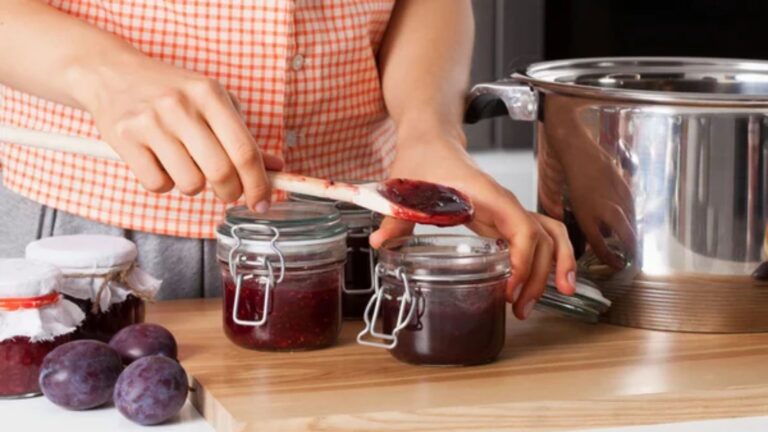
Jars, canning lids, rings, and fermentation equipment can help you preserve produce from your garden or seasonal purchases. Keep in mind that home canning requires tested recipes and the correct processing method for each food, while fermentation supplies should be clean and food-safe.
9. Cheese-Making Supplies
For households with access to fresh milk, cheese-making equipment can offer another way to prepare food at home. Cheesecloth, a food thermometer, suitable rennet, and cheese molds are useful starting points, but safe handling and proper refrigeration remain important for homemade dairy products.
10. Basic Tools and Rope
A basic hand-tool kit can help you handle small repairs, secure loose items, and complete simple jobs if professional help is delayed. Keep a hammer, screwdrivers, pliers, an adjustable wrench, a utility knife, nails, screws, duct tape, and sturdy rope or paracord in a dry, accessible place.
11. Water Filters and Purification Tablets
Stored drinking water is a good starting point, but a longer emergency may require another way to treat water from an approved source. Keep a filter rated for the contaminants you may encounter and water purification tablets for emergency use, and follow the product directions, because some methods won’t remove chemicals or heavy metals.
Related: 20 Hidden Water Sources That Can Keep You Alive in an Emergency
12. Tarps and Plastic Sheeting
Heavy-duty tarps can protect firewood, cover outdoor equipment, and provide temporary shelter when weather conditions turn bad. Plastic sheeting can also help cover a damaged roof or protect belongings from rain, but never use either material in a way that blocks necessary ventilation around heaters or cooking equipment.
13. Fire Extinguishers
A suitable fire extinguisher can help you respond to a small fire before it spreads, provided you can do so safely. Keep the right type near common fire risks, check its condition per the manufacturer’s instructions, and make sure everyone at home knows when to evacuate and call emergency services instead of trying to fight the fire.
14. Animal Feed
Pets and livestock still need regular meals during an emergency, so include their needs in your household plan. Store extra food in sealed containers, rotate it before it spoils, and keep a supply of any special feed your animals rely on, along with clean water and necessary care supplies.
15. Emergency Radio and Entertainment
A battery-powered, solar-powered, or hand-crank emergency radio can help you receive weather alerts and local emergency instructions if phone service or internet access fails. Books, playing cards, board games, puzzles, and coloring supplies can also help children and adults pass the time during long outages