Living frugally doesn’t mean giving up everything you enjoy or making life harder just to save a few dollars. It’s about spending with care, making better use of what you own, and finding small ways to keep more money in your pocket.
Some of the best money-saving habits are easy to overlook because they seem too small to matter. These 17 frugal living tips can help lower everyday expenses, reduce waste, and give your budget a little more breathing room.
Shop Secondhand Before Buying New
Before paying retail prices, check thrift stores, consignment shops, estate sales, and online marketplaces like Facebook Marketplace and Poshmark. You can often find clothing, furniture, kitchenware, and home décor in good condition for a fraction of the price of new items.
Related: 7 Canned Foods Frugal People Always Buy
Choose Store Brands
Store-brand products often cost less than name brands, and many offer similar quality for everyday use. Compare pantry staples, cleaning supplies, frozen foods, and over-the-counter medications to see where switching brands could lower your grocery bill.
Related: 15 Frugal Hacks Homesteaders Wished They Knew Sooner
Use Cashback Apps
Apps like Ibotta, Rakuten, and Fetch offer rewards on certain purchases, giving you a little money back on items you may already buy. Check the current offers and redemption rules before shopping, and avoid buying extra products just to earn rewards.
Related: 7 Pantry Staples Smart Frugal People Always Keep Stocked
Learn to Cut Your Own Hair
Learning basic trimming techniques can save money on routine salon visits, especially if you prefer a low-maintenance haircut. Start with a quality pair of hair-cutting scissors, follow a reliable beginner tutorial, and leave complicated cuts to someone with the right experience.
Related: 17 Underrated Frugal Life Hacks That Deserve More Attention
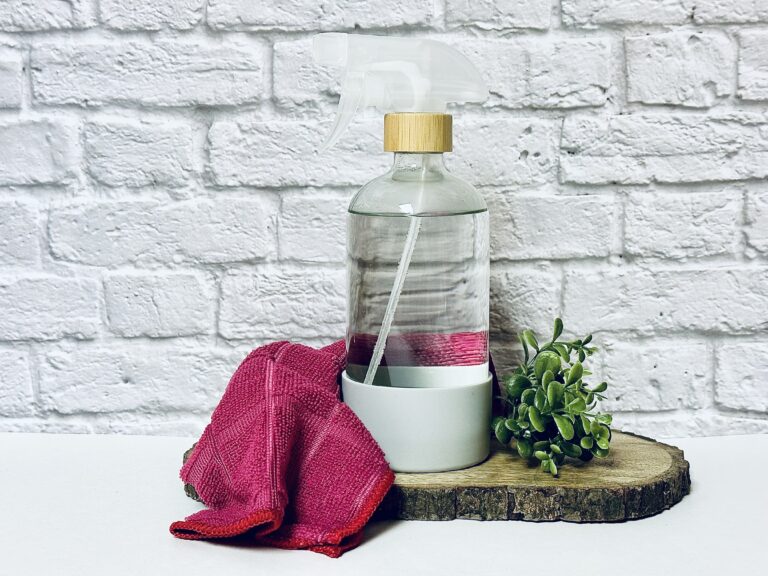
Make Your Own Cleaning Products
A few basic household ingredients can handle certain cleaning jobs without requiring a cabinet full of specialty products. White vinegar can help remove mineral deposits, baking soda works for some scrubbing tasks, and mild soap handles many everyday messes, but never mix cleaning ingredients without checking their safety first.
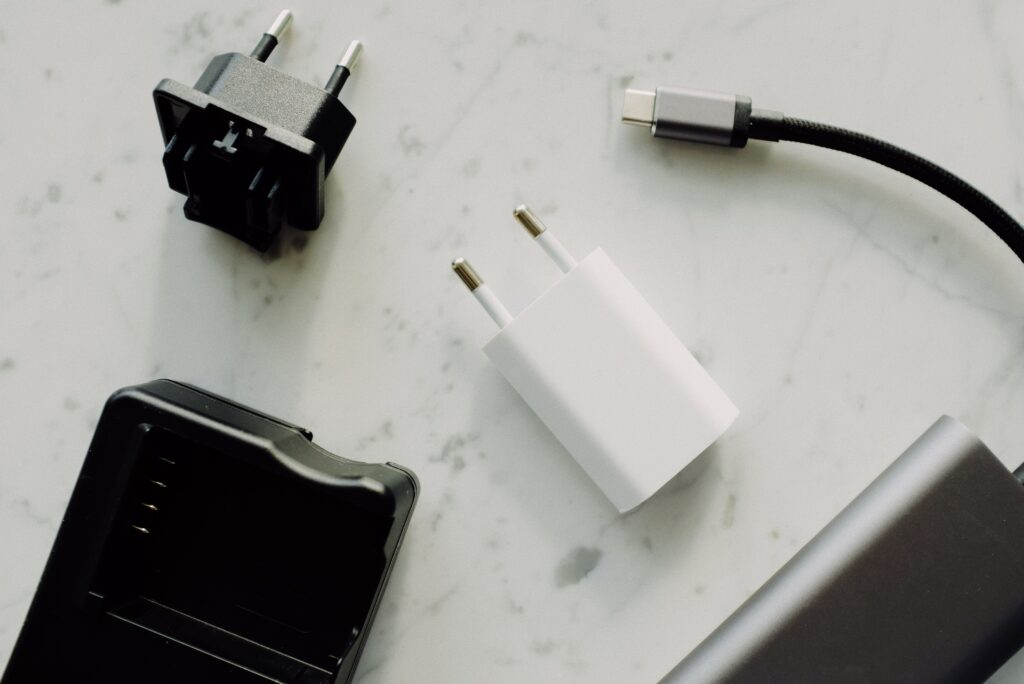
Unplug Electronics You Aren’t Using
Some electronics continue drawing a small amount of electricity even when switched off or in standby mode. Unplug devices you rarely use or connect suitable electronics to a switchable power strip to make it easier to cut unnecessary energy use.
Install a Programmable Thermostat
A programmable thermostat can adjust your home’s temperature while you’re sleeping or away, so you don’t heat or cool an empty house as much. Set a schedule that suits your routine and climate, then check your energy bills to see whether the changes are helping.
Learn Basic Sewing
A missing button, loose seam, or small hole doesn’t have to mean throwing away a perfectly good piece of clothing. Learning a few basic stitches can help you repair garments, patch fabric, and keep household items in use for longer.
Grow Herbs or Easy Vegetables
A sunny windowsill, balcony, or small patio can provide enough space to grow herbs and a few vegetables in containers. Start with basil, parsley, chives, lettuce, or cherry tomatoes that suit your local growing conditions, then use what you harvest in your regular meals.
Review Your Subscriptions
Streaming services, fitness apps, cloud storage, and subscription boxes can quietly add up to a hefty monthly expense. Look through your bank and credit card statements, cancel services you rarely use, and check for duplicate memberships you may have forgotten about.
Look Beyond Driving
For suitable trips, walking, biking, carpooling, or taking public transportation can cut fuel use and reduce wear on your vehicle. Even replacing a few short drives each week with another option may save money on gas and parking.
Enjoy Free Community Activities
Libraries, parks, and community centers often host free concerts, outdoor movie nights, workshops, festivals, and seasonal events. Check local event calendars for low-cost ways to spend time with friends or family without paying for expensive entertainment.
Put Your Library Card to Work
Your local library may offer far more than printed books, including digital audiobooks, magazines, movies, online classes, and tool lending. Check your library’s website to see which free services are available to cardholders in your area.
Plan Meals Before Grocery Shopping
Planning a few meals before you visit the store helps you buy ingredients you’ll actually use instead of filling your cart with random items. Check your fridge and pantry first, build a shopping list around what you already have, and use up leftovers before they spoil.
Handle Small Repairs Yourself
Learning to fix minor household problems, such as a running toilet, a small drywall hole, or a clogged drain, can save you from paying for every little repair. Use reliable instructions, follow safety precautions, and call a qualified technician for serious plumbing problems, electrical hazards, or jobs beyond your skills.
Skip the Dryer When You Can
Hanging clothes on an outdoor line or indoor drying rack can lower electricity use and reduce wear from repeated tumbling; longer drying also helps protect delicate fabrics, though thicker items may need extra time to dry fully.
Switch to Reusable Products
Reusable water bottles, shopping bags, food containers, and washable cleaning cloths can replace many disposable household products. The upfront cost may be a little higher, but using the same items repeatedly can cut the need for frequent replacements.
Building a frugal routine doesn’t require changing everything you do overnight. Pick two or three habits that fit your lifestyle, stick with them, and let the savings build over time.