Buying secondhand can be a great way to spend less, find something unique, and keep perfectly good items out of the trash. A thrift store or resale shop can turn up some real finds, but not everything on the shelf is worth taking home.
Some used items are difficult to inspect properly, while others can come with hygiene or safety concerns that aren’t obvious at first glance. A low price can also lose its appeal if the item needs repairs or replacement parts.
Before you add something to your cart, here are 12 used items worth thinking twice about.
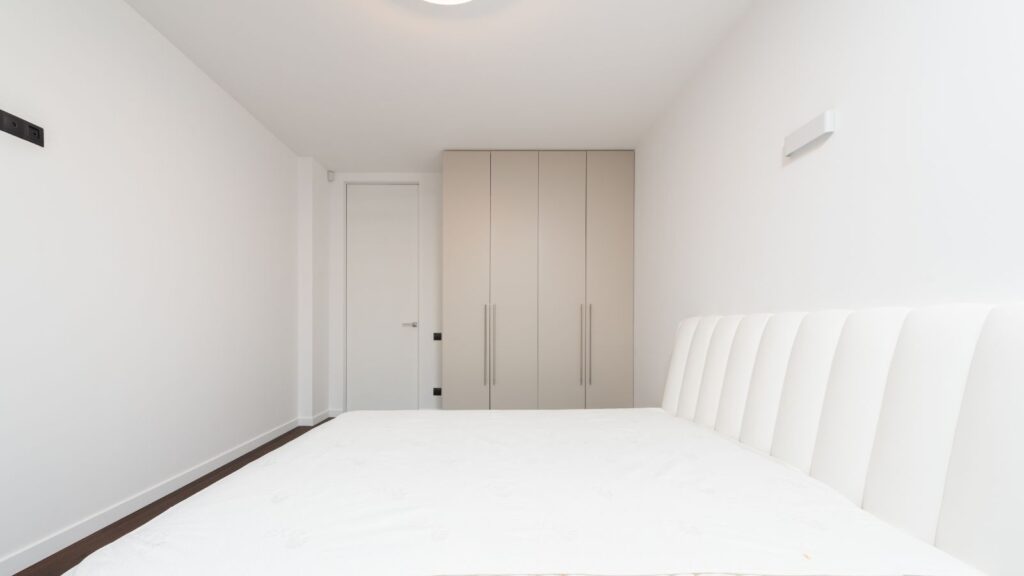
Mattress
A used mattress can be difficult to judge because you rarely know its full history. It may have been exposed to mold, bacteria, dust mites, stains, or even pests.
Mattresses are also difficult to clean from top to bottom. Even if one looks spotless in the store, there’s no easy way to know what has happened inside it.
For something you spend several hours on every night, buying new is usually the safer bet.
Related: 6 Ways to Make an Uncomfortable Mattress More Comfortable
Upholstered Furniture
A secondhand sofa or armchair can look perfectly clean and still have plenty of history hidden in the fabric. Upholstery can hold onto odors, stains, dust, pet hair, and allergens.
There’s also the possibility of bedbugs or other pests. That uncertainty is one reason to be careful with upholstered pieces, especially if you can’t thoroughly inspect or clean them before bringing them indoors.
Wood furniture is usually a much easier thrift-store find because the surfaces can be cleaned more thoroughly.
Related: How to Clean Thrifted Wood Furniture
Baby Cribs
Baby furniture deserves extra caution. Older cribs may have been recalled or may no longer meet current safety standards. You also have no way of knowing whether a secondhand crib has been damaged, improperly repaired, or assembled incorrectly in the past.
A crib needs to be sturdy, complete, and safe for a sleeping baby. If you can’t verify its history and current safety requirements, buying a new one is usually the better choice.
Related: I Love Thrifting for My Kids—These Are the Items I Always Look For
Car Seats
Car seats are another item where a bargain may not be worth the uncertainty. You need to know the seat’s age, expiration date, recall history, and whether it has ever been involved in a crash.
That last part is nearly impossible to verify with a random secondhand purchase. A seat can look perfectly fine after a crash and still have damage that isn’t visible.
For something responsible for protecting a child during a collision, knowing its complete history matters.
Rugs
A thrifted rug can be a great find, but inspect it carefully before paying for it. Rugs can collect dirt, pet hair, stains, odors, and moisture over the years.
If a rug has been exposed to moisture, mold may be hiding underneath or in the backing. Deep cleaning can help with some problems, but certain odors and stains are difficult to remove completely.
If you find a rug you love, check both sides, smell it, and look closely for stains, mold, damaged backing, and signs of pests before taking it home.
Related: How to Get Smell Out of Clothes
Pillows
Used pillows are another item that’s better left behind. They spend a lot of time against your face and can collect sweat, oils, skin cells, dust mites, and other debris.
Some pillows can be washed, but washing doesn’t necessarily restore an old pillow to like-new condition. New pillows are also inexpensive enough that the savings from buying used may not justify the hygiene concerns.
Used Tires
Tires can look fine from the outside while still having problems caused by age, wear, improper storage, or previous use.
With a used tire, you may not know how it was driven, stored, or maintained. Age matters, too, since rubber deteriorates over time.
Since tires play such a direct role in vehicle safety, buying new tires from a reputable seller is usually the wiser choice.
Swimwear and Underwear
Swimwear, underwear, and lingerie are some of the thrift-store items many shoppers prefer to skip. These garments sit directly against the skin and can be difficult to clean to a level that feels comfortable.
A new pair may cost a little more, but it removes the uncertainty that comes with buying intimate clothing secondhand.
Nonstick Cookware
Older nonstick cookware deserves a close inspection. The coating can become scratched, chipped, or worn after years of cooking and cleaning.
If the surface is already damaged, it may be time to replace the pan rather than trying to get more use out of it. Before buying a used nonstick pan, check the entire cooking surface and edges for scratches, peeling, or areas where the coating has worn away.
Related: A Nonstick Pot’s Coating Is Scratched—Is It Still Safe to Cook With? Experts Explain the Risks
Stuffed Animals
Stuffed animals can be cute thrift-store finds, but they can also be difficult to clean completely. Fabric toys can collect dust, pet hair, allergens, and other debris.
Older toys may also have loose eyes, buttons, seams, or other small parts that could become a safety issue for young children. There’s also the question of recalls, especially if you can’t identify the toy’s brand or model.
If you’re shopping for a stuffed animal, inspect it closely and check that it can be washed properly before bringing it home.
Puzzles
Few things are more frustrating than spending an evening putting together a thrifted puzzle and discovering that one piece is missing.
Unless the puzzle is sealed or the seller has already checked that every piece is there, buying used can be a gamble. Boxes can look complete while pieces have disappeared years ago.
If you don’t mind missing pieces or want a puzzle for crafts, that’s one thing. If you want to actually finish it, inspect the box and contents first.
Untested Appliances
Thrift stores often have shelves filled with small appliances, from hair dryers and blenders to coffee makers and televisions. The low prices can be tempting, but an appliance that hasn’t been tested is a gamble.
A $10 appliance isn’t a bargain if it stops working as soon as you plug it in at home. Repairs can also cost more than the item itself.
If the store lets you test an appliance before buying it, check that it works properly. If testing isn’t possible, think carefully about whether you’re comfortable taking the risk.
Related: Shopping at Thrift Stores
Buying used can save money, but the best thrift-store purchases are the ones you can inspect, clean, test, and use with confidence. A low price alone doesn’t make something a good deal. Sometimes leaving an item on the shelf is the better bargain.
Other Topics You Might Like
- 10 Strange Things That Are Surprisingly Smart to Stockpile
- How to Clean a Wood Cutting Board
- 15 Safe Ways to Clean a Cast Iron Skillet Without Ruining the Seasoning
- 12 Things Professional Organizers Would Never Store Under the Kitchen Sink
- 12 Small Habits That Make a Big Difference in Keeping Your Home Clean