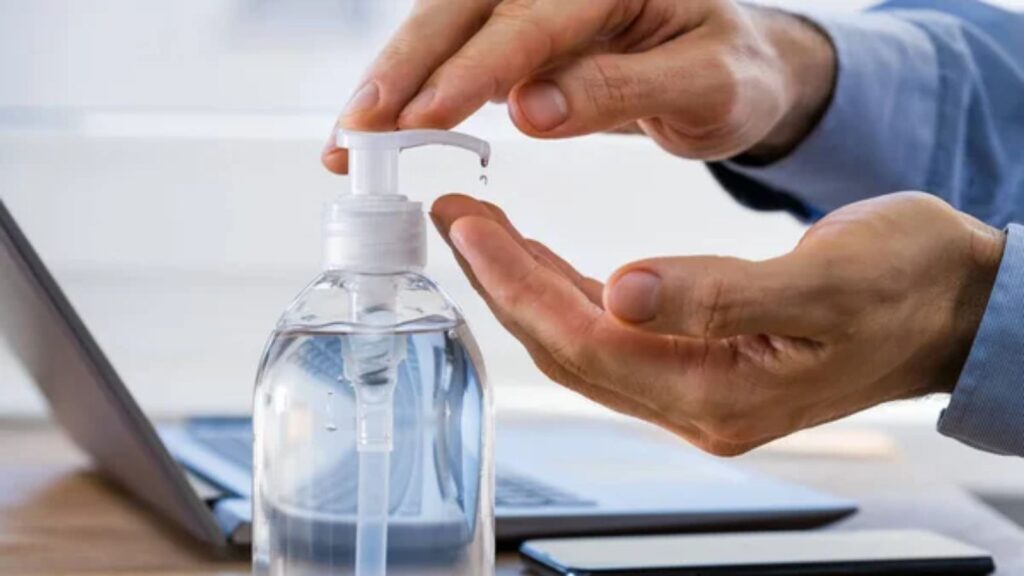
Isopropyl alcohol, better known as rubbing alcohol, is one of those inexpensive items that can earn its place in a well-stocked home or emergency kit. It evaporates quickly, cuts through grease and residue, and can help disinfect certain surfaces and tools.
There are plenty of practical ways to use it beyond the bathroom cabinet. From removing stubborn labels to cleaning eyeglasses and dealing with shoe odors, here are 14 useful ways to put rubbing alcohol to work.
1. Clean and Disinfect Certain First-Aid Tools
Rubbing alcohol can be useful for cleaning items such as tweezers, scissors, and other hard, nonporous first-aid tools. Wipe the item thoroughly with alcohol and allow it to dry completely before use.
For cuts and scrapes, plain soap and clean running water are generally a better choice than pouring rubbing alcohol directly onto the wound, since alcohol can irritate damaged tissue.
2. Remove Adhesive Stickers and Labels
Old jars and containers can be handy for storage, but those stubborn labels can be a real pain to remove. Rubbing alcohol can help loosen the adhesive left behind.
Apply a little alcohol to a cotton ball or microfiber cloth and rub the label and surrounding adhesive. Let it sit for a minute or two, then peel the label away. Wipe the surface again to remove any leftover residue.
3. Soothe the Itch From Bug Bites
A small amount of rubbing alcohol can provide a cooling sensation on the skin after an insect bite. Dab it lightly onto intact skin around the bite.
Since alcohol can dry or irritate skin, stop using it if the area becomes more irritated. For persistent swelling, severe pain, or signs of an allergic reaction, seek medical care.
Related: Homemade All Natural Bug Spray for Mosquitoes and Ticks
4. Help Start a Fire
Rubbing alcohol is highly flammable, which makes it useful as an emergency fire-starting aid when handled properly. A small amount can help dry tinder or kindling catch fire.
Never pour or spray alcohol onto an existing flame or hot surface. Vapors can ignite unexpectedly and cause serious burns. Keep the bottle well away from flames and heat sources.
5. Make Hand Sanitizer
Isopropyl alcohol is one of the main ingredients used in alcohol-based hand sanitizers. If you need to make sanitizer at home, use a tested formula rather than guessing at the proportions.
The World Health Organization provides formulations that use the proper alcohol concentration along with
6. Cool and Freshen Tired Feet
Rubbing alcohol evaporates quickly from the skin and creates a cooling sensation. Some people use a small amount on their feet after a long day of walking or physical work.
Apply it only to intact skin and avoid cuts, cracked skin, or irritated areas. It can be very drying, so it shouldn’t replace a moisturizer if your skin is already dry.
7. Clean Tile Grout
Grout can collect dirt, soap residue, and mildew, especially in bathrooms. Rubbing alcohol can be useful for spot-cleaning certain hard, nonporous surfaces.
Apply a small amount to the area, scrub with an appropriate brush, and wipe the surface clean. Test an inconspicuous spot first, especially if you’re unsure how the surface will react.
Related: How to Clean Your Tile Grout
8. Clean Children’s Toys
Hard, nonporous toys can be wiped down with rubbing alcohol to remove grime and germs. Apply the alcohol to a cloth rather than soaking the toy, then allow the surface to air dry completely.
Check the manufacturer’s cleaning instructions first. Keep rubbing alcohol away from children, and never use it on toys that could be damaged by alcohol or have porous surfaces that can absorb liquid.
9. Disinfect Household Surfaces
Rubbing alcohol can be useful for cleaning certain hard, nonporous surfaces such as doorknobs, light switches, and some countertops.
Put a small amount on a clean cloth and wipe the surface. Give it enough contact time to work according to the product label, then allow it to dry. Test delicate surfaces first, since alcohol can damage some finishes and materials.
You can also make a simple granite cleaner using castile soap, rubbing alcohol, and essential oils.
Get the Formula: Granite Cleaner
10. Remove Certain Stains
Rubbing alcohol can break down some stubborn stains, including ink and some makeup stains. Apply a small amount to a clean cloth and gently blot the stained area rather than rubbing it aggressively.
Always test the fabric or upholstery in a hidden spot first. Alcohol can cause discoloration or damage on some materials.
11. Freshen Smelly Shoes
Shoes can develop unpleasant odors after plenty of use, especially if they stay damp for long periods. A light mist of rubbing alcohol inside the shoes can help reduce odor-causing bacteria.
Don’t soak the shoes. Spray lightly, then leave them somewhere with good airflow until they are completely dry before wearing them.
12. Clean Eyeglasses
Fingerprints, skin oils, and smudges can quickly make eyeglasses look dirty. A small amount of rubbing alcohol on a suitable microfiber cloth can help remove oily residue from some lenses and frames.
Check the care instructions for your glasses first. Some lens coatings and frame materials can be damaged by alcohol, so a lens cleaner recommended by the manufacturer may be a better choice.
13. Control Weeds
Rubbing alcohol can dry out plant tissue, which means it may kill small weeds it contacts. For an occasional spot treatment, apply a small amount directly to the weed while avoiding nearby plants.
Be careful around lawns, flowers, and vegetable gardens because alcohol doesn’t know the difference between a weed and a plant you want to keep. It can damage desirable vegetation too.
Related: 12 Natural Ways to Get Rid of Weeds in Your Garden
14. Make a DIY Glass Cleaner
Rubbing alcohol pairs well with vinegar in a homemade glass-cleaning solution. The alcohol evaporates quickly, helping windows and mirrors dry without leaving behind as much moisture.
A simple homemade formula can tackle fingerprints, smudges, and everyday grime without requiring a cabinet full of specialty cleaners.
Get the Formula: DIY Glass Cleaner
A Few Safety Tips
Rubbing alcohol is useful, but it needs to be handled with care. Keep it away from flames, sparks, and heat because it is highly flammable. Use it in an area with good ventilation, and never mix it with bleach or other cleaning chemicals.
Store the bottle tightly closed and out of reach of children and pets. Before using alcohol on furniture, fabric, electronics, or finished surfaces, check the manufacturer’s instructions or test a small hidden area first.
A bottle of rubbing alcohol takes up very little room, costs relatively little, and can handle plenty of small household jobs. That’s what makes it such a handy item to keep around for everyday cleaning and emergency situations.
Other Topics You Might Like
- 10 Strange Things That Are Surprisingly Smart to Stockpile
- How to Clean a Wood Cutting Board
- 15 Safe Ways to Clean a Cast Iron Skillet Without Ruining the Seasoning
- 12 Things Professional Organizers Would Never Store Under the Kitchen Sink
- 12 Small Habits That Make a Big Difference in Keeping Your Home Clean