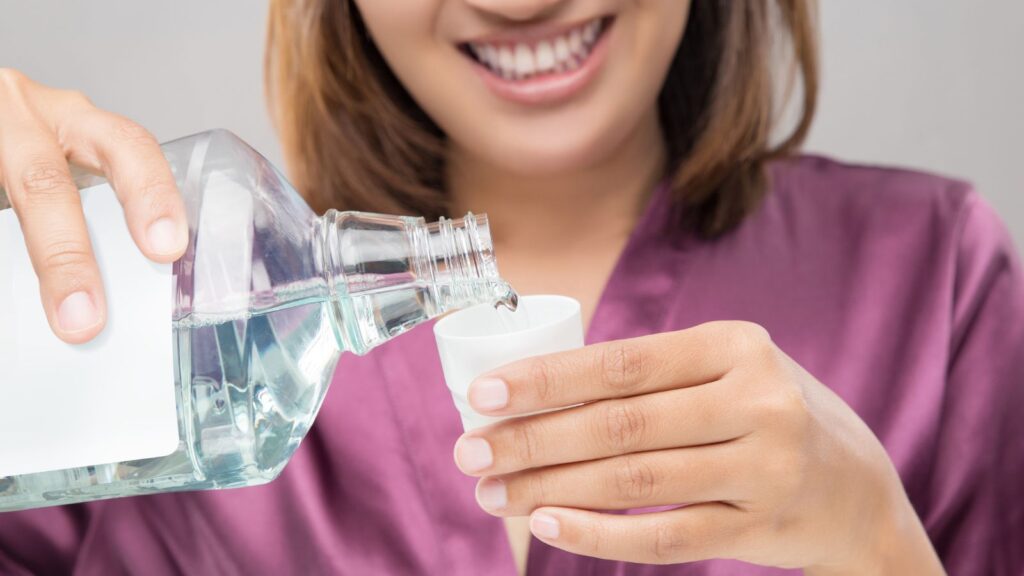
Mouthwash usually lives in the bathroom, right next to the toothbrush and toothpaste. Most of us think of it as something we swish around our mouths to freshen our breath and support good oral hygiene.
Some people also use mouthwash for household chores, thanks to ingredients such as alcohol and other antimicrobial compounds found in certain formulas. Still, it isn’t a replacement for a proper household cleaner, plant treatment, laundry product, or medical treatment. A few of the old household tricks associated with mouthwash are better left off your list.
Here are 10 ways mouthwash can come in handy around the house, along with a few safety notes.
Clean Household Surfaces
If you’ve run out of your usual cleaner, mouthwash may help with a quick wipe-down of some hard, nonporous surfaces. Put a small amount on a soft cloth and wipe countertops or other washable surfaces.
Check the ingredients first and test an inconspicuous spot, since colored mouthwash or formulas containing strong ingredients could stain or damage certain materials. For food-preparation surfaces, use a cleaner intended for that purpose and follow its label directions.
Related: 12 Unexpected Uses for Cornstarch Around the Home
Freshen Houseplants
You’ll sometimes find recipes calling for diluted mouthwash to treat mildew or fungus gnats on houseplants. This is one household trick I’d be cautious with.
Mouthwash contains ingredients that aren’t intended for use on plants, and some formulas can damage leaves. For fungus gnats, let the top layer of soil dry between waterings and use yellow sticky traps to catch adult gnats. For mildew, improve airflow and reduce excess moisture around the plant.
Foot Fungus
Mouthwash is sometimes suggested as a home treatment for athlete’s foot because many formulas contain alcohol. That doesn’t make it a reliable treatment for a fungal infection, though.
For mild athlete’s foot, an over-the-counter antifungal product made for skin is a much better choice. Keep feet clean and dry, change socks regularly, and see a healthcare professional if the problem doesn’t improve or keeps coming back.
Related: 14 Simple Vinegar Uses Every Gardener Should Know
Help Cut Flowers Last Longer
Some people add a small amount of mouthwash to vase water in an attempt to keep cut flowers fresh. The theory is that antimicrobial ingredients may slow bacterial growth in the water.
A cleaner vase and fresh water usually make a bigger difference. Trim the stems before placing flowers in the vase, remove leaves that would sit below the waterline, and change the water every few days.
If you want to try mouthwash, use only a small amount of a clear, alcohol-containing formula and watch the flowers for any signs of damage.
Clean a Humidifier
Mouthwash shouldn’t be added to the water in a humidifier. The machine is meant to disperse water into the air, and adding mouthwash could send its ingredients into the room.
Instead, follow the manufacturer’s cleaning instructions. Empty standing water regularly and clean the tank as directed. A clean humidifier is far more useful than trying to freshen it with mouthwash.
Related: 13 Clever Rubbing Alcohol Uses You Haven’t Tried
SponsoredCheap Flights to Europe & USA
Book your tickets now and save up to 40% on top destinations.
Freshen the Garbage Disposal
Mouthwash may help temporarily mask unpleasant odors from a garbage disposal, but it shouldn’t be treated as a substitute for cleaning the disposal itself.
For a quick freshening, pour a small amount down the drain, then run the disposal with plenty of water. You can also clean the rubber splash guard and surrounding drain area, where food residue often collects.
Never mix mouthwash with bleach, drain cleaner, or other chemical products.
Deodorize the Garbage Can
If your trash can has picked up a lingering smell, mouthwash may help freshen it for a short time.
Soak a paper towel or cloth with a small amount of mouthwash and place it inside the empty bin for a little while. Remove it before putting a new liner in the can.
For persistent odors, wash the garbage can with warm soapy water and let it dry completely.
Related: Stop Throwing Away Expired Food—Try These 15 Practical Uses Instead
Freshen Laundry
Adding mouthwash to your washing machine isn’t a laundry trick I’d recommend. Mouthwash contains ingredients formulated for oral use, and laundry machines and fabrics have their own cleaning requirements.
For musty clothing, use the correct amount of laundry detergent and make sure clothes dry fully after washing. If your washing machine smells stale, clean the drum, gasket, detergent drawer, and filter according to the manufacturer’s instructions.
Clean Tile Floors
Some mouthwash contains alcohol, which is why it sometimes gets recommended as a DIY floor cleaner. A diluted amount may help with light grime on certain tile surfaces, but it isn’t the best choice for routine floor cleaning.
Use a floor cleaner suited to your particular tile and grout. If you’re dealing with dirty grout, this guide can help:
Related: How to Clean Your Tile Grout
Don’t Use Mouthwash to Disinfect Wounds
This is one old household tip that’s worth leaving behind. Mouthwash isn’t a wound disinfectant, and pouring it onto a cut can irritate the tissue and delay healing.
For a minor cut or scrape, rinse the wound with clean running water, wash the surrounding skin with soap, and cover it with a clean bandage. Seek medical care for deep wounds, serious bites, wounds with embedded objects, or signs of infection.
Mouthwash can be useful for its intended purpose, but some of the household hacks attached to it are more questionable than they first appear. If you do use it around the house, stick to surfaces where the product won’t cause damage and check the label before trying a new use.
Other Topics You Might Like
- 10 Strange Things That Are Surprisingly Smart to Stockpile
- How to Clean a Wood Cutting Board
- 15 Safe Ways to Clean a Cast Iron Skillet Without Ruining the Seasoning
- 12 Things Professional Organizers Would Never Store Under the Kitchen Sink
- 12 Small Habits That Make a Big Difference in Keeping Your Home Clean
Fast Track Schengen Visa
Learn how to secure your European visa quickly and easily.