We’re so used to having food available that it’s easy to forget how much we rely on grocery stores. Need bread? Pick up a loaf. Running low on vegetables? Make another trip. Craving something specific? There’s probably a packaged version sitting on a shelf somewhere.
If supplies become harder to find, those conveniences may not be there. Knowing how to cook with basic ingredients, preserve food, grow a few crops, and make the most of what you already have can give you more options.
These skills are useful even when there isn’t a shortage. They can help cut down on food waste, save money, and make your pantry more useful.
1. Baking Bread
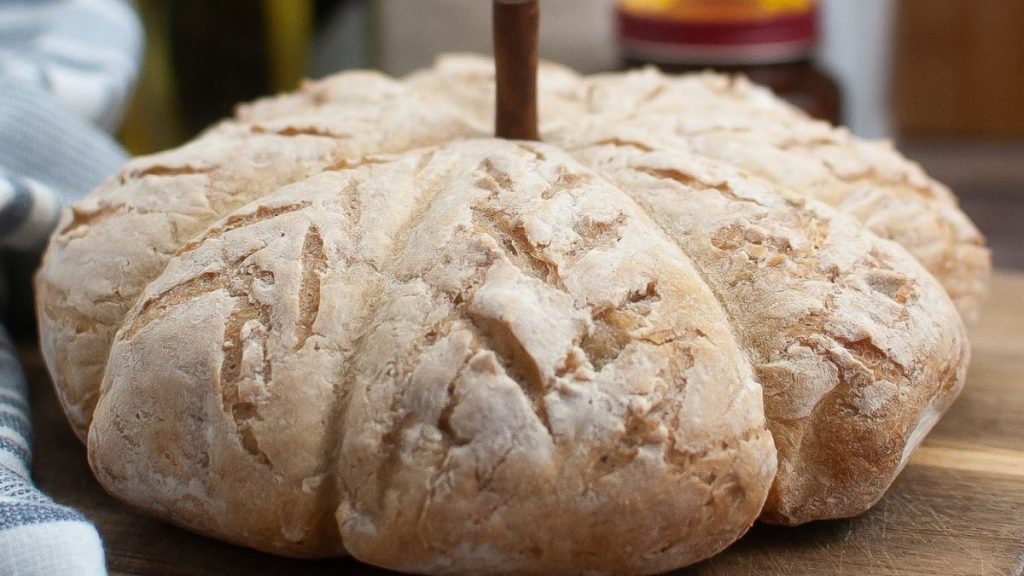
Bread doesn’t require a long ingredient list. A basic loaf can be made with flour, yeast, water, and salt. The tricky part is learning how the dough should look and feel, how long it needs to rise, and how to avoid wasting ingredients when something goes wrong.
If you’ve never baked bread before, start with a simple recipe and practice while you have plenty of supplies. Once you get the hang of it, you can make loaves, rolls, flatbreads, and other staples at home.
Related: How to Make White Bread in a Bread Maker
2. Cooking With Dried Beans and Pulses
Dried beans, lentils,
The catch is that cooking times vary. Some beans need soaking, while others can be cooked without it. Learning how to prepare several types means you won’t be stuck with one option if meat or other protein sources become harder to find.
Use reliable food-safety guidance for soaking and cooking times, especially for dried beans that require thorough cooking.
3. Making the Most of Leftovers
A half-full container of rice, a few cooked vegetables, or leftover chicken may not look like much on its own. Put the right ingredients together, though, and they can become another meal.
Leftover vegetables can go into soup or an omelet. Rice can become fried rice. Cooked meat can be added to sandwiches, pasta, tacos, or casseroles.
Getting into the habit of checking the refrigerator before starting a new meal can help stretch your food and cut down on waste.
4. Growing a Home Garden
A garden won’t provide every food your household needs, but it can add fresh produce to your regular meals.
Start small. A few pots of herbs, tomatoes, peppers,
If you have more room, you can gradually add vegetables and fruits that are suited to your local growing season.
Related: How to Start a Herb Garden from Scratch
5. Canning Food
Canning is an old-fashioned food preservation method that has found its way back into many modern kitchens.
It can be a great way to preserve garden produce, but safe canning requires more than filling jars and sealing the lids. The correct method depends on the food. Low-acid foods such as vegetables and meats generally require pressure canning, while many high-acid foods can be processed using a boiling-water canner.
Use tested recipes and follow recommended processing times. A few extra minutes of research are worth it when you’re storing food for your family.
6. Dehydrating Foods
Removing moisture from food can greatly extend its storage life when the food is prepared and stored correctly.
Fruits, vegetables, herbs, and some meats can be dehydrated. Dried apples, bananas, tomatoes, peppers, herbs, and other foods are easy to store and can be used in meals or eaten as snacks.
A
Related: 16 Perfectly Delicious Dehydrator Snacks You Have to Try
7. Learning to Forage for Edible Wild Plants
Foraging sounds appealing during a food shortage, but it isn’t something to learn by trial and error.
Many edible plants have poisonous lookalikes, and some plants are unsafe unless prepared correctly. A mistake can lead to serious illness.
Learn from an experienced local forager, take a reputable class, and use reliable regional field guides. Never eat a wild plant unless you are completely confident about its identification.
Related: 10 Reasons to Grow a Wildflower Garden
8. Cooking From Scratch
Packaged sauces, seasoning mixes, baking mixes, and ready-made meals are convenient, but they can also be some of the first things you miss if grocery supplies become limited.
Knowing how to make basic sauces, soups, spice blends, breads, pancakes, biscuits, pasta dishes, and other staples gives you more choices.
You don’t need to make everything from scratch. Learning a handful of dependable recipes can make a noticeable difference in how far your pantry ingredients go.
9. Making Homemade Dairy Products
Yogurt, butter, and some fresh cheeses can be made at home with relatively few ingredients and some basic equipment.
Yogurt is a good place to start because the process is fairly straightforward. Cheese making can be more involved, especially if you’re working with cultures, rennet, or specific temperature requirements.
Fresh milk still needs to be stored safely. Freezing can preserve milk for later use, though the texture may change after thawing.
Related: How to Make Homemade Yogurt in an Instant Pot
10. Making Homemade Stocks and Broths
Those vegetable scraps and meat bones left over from cooking can have another use.
Homemade stock can become the base for soup, gravy, rice, sauces, and stews. It can also add flavor to otherwise simple meals.
Save suitable scraps in the freezer until you have enough to make a batch. If you make more than you can use soon, refrigerate or freeze it promptly. For shelf-stable storage, follow a tested pressure-canning recipe.
Related: How to Make Vegetable Stock
11. Growing Sprouts and Microgreens
You don’t need a backyard to grow fresh food.
Sprouts and microgreens can be grown in small containers, making them useful for apartments and homes with limited outdoor space. Some can be ready to harvest within days or weeks.
A windowsill may provide enough light for certain varieties, while others may need a
Pay attention to cleanliness and water quality, since sprouts can carry harmful bacteria if they’re grown or stored under poor conditions.
12. Cooking Without Modern Equipment
Most of us have become dependent on electric appliances for at least some part of cooking. Bread makers, rice cookers, microwaves, slow cookers, air fryers, and electric stoves make everyday meals much easier.
Knowing a few alternatives can help if the electricity goes out.
A
Never use charcoal grills, camp stoves, generators, or other fuel-burning equipment inside a home or enclosed space because of the risk of carbon monoxide poisoning.
13. Meal Planning
Meal planning becomes even more useful when you have fewer ingredients to work with.
Start by checking what you already have. Build meals around foods that need to be used soon, then work in items with longer storage lives.
Planning several meals ahead also makes it easier to see how quickly you’re using staples such as rice, flour, beans, canned foods, and cooking oil.
A simple written plan can prevent the same ingredients from being used repeatedly while other foods sit untouched.
14. Root Cellaring
Before refrigerators and freezers became common, people relied on cool, dark storage spaces to keep certain crops fresh through the colder months.
Root cellaring can still work for foods such as potatoes,
Each crop has different storage needs. Potatoes, for example, need different conditions from onions or winter squash. A basement or cellar may work, but only if it stays within the appropriate temperature and humidity range.
These skills are worth practicing before you actually need them. Start with something manageable, such as baking bread or growing herbs, then work your way toward food preservation and alternative cooking methods. A little practice now can make a limited pantry much easier to work with later.