When things get difficult, practical skills can become far more valuable than a full bank account or a house full of stuff. Knowing how to grow food, fix a broken machine, treat an injury, or make something last can help you get through situations where outside help isn’t readily available.
Many of these skills can also become useful ways to earn money or trade with other people. A person who can repair a small engine, mend clothing, preserve food, or build a simple structure has something useful to offer.
You don’t have to learn everything at once. Pick a skill that interests you, practice it regularly, and add another one when you’re ready. Over time, you’ll have a collection of abilities that can help your household and the people around you.
1. Gardening & Food Production
A garden can be more than a source of fresh vegetables. If grocery supplies become limited or prices climb, knowing how to grow food gives you another way to feed your family.
Start with crops that grow well in your climate and don’t require complicated care. Potatoes, beans, squash,
If your garden produces more than your household can eat, the extra produce can be shared, sold, or traded.
Related: How to Start Gardening for Beginners: Tips and Tricks to Get Started
2. First Aid & Natural Remedies
A minor injury can become a much bigger problem if medical help is difficult to reach. Knowing how to clean and dress wounds, recognize signs of serious illness, and handle basic first aid can make a real difference.
A first-aid course is a good place to start. You can also learn about traditional herbs and common household remedies, but it’s important to know their limits. Natural remedies aren’t a replacement for professional medical treatment when someone has a serious injury or illness.
Being the person who knows what to do while everyone else is trying to figure things out can be incredibly useful.
3. Water Purification & Sourcing
Clean drinking water quickly becomes a priority during an emergency.
Knowing where to find water and how to make it safer to drink can help your household get through an interruption to the normal water supply. Learn several methods, including boiling, filtering, and using appropriate water-purification products.
It’s also worth learning how to store water ahead of time. Finding a water source isn’t enough if you don’t have a safe way to collect, transport, and treat it.
Related: 20 Hidden Water Sources That Can Keep You Alive in an Emergency
4. Basic Carpentry & Construction
Things break. A fence comes down, a roof starts leaking, a door needs repair, or a shed needs reinforcement.
Basic carpentry skills can help you handle many of these jobs without waiting for someone else. Learn how to safely use a
You don’t have to become a professional builder. Being able to make simple repairs, construct a shelf, patch a structure, or build a basic shelter can go a long way.
5. Mechanical & Small Engine Repair
Cars, generators, lawn equipment, pumps, and other machines can become difficult to replace during a major disruption.
Someone who knows how to diagnose a mechanical problem and perform basic repairs can be extremely useful. Start by learning how your own vehicles and equipment work. Changing filters, replacing belts, cleaning parts, checking fluids, and identifying common problems are good skills to practice.
Older equipment can be especially useful for learning because many repairs can be done with basic hand tools.
6. Emotional Resilience & Leadership
Survival isn’t all about physical skills. The ability to stay calm when everyone else is panicking can be just as useful.
People naturally look for someone who can think clearly, listen, make decisions, and keep a group moving forward during a stressful situation. You don’t need to be the loudest person in the room.
Practices such as breathing exercises, meditation, regular exercise, and learning how to manage stress can help you keep your head clear when things become difficult.
7. Bartering & Negotiation
Money may not always be the easiest way to get what you need. During shortages or other disruptions, people may be more willing to trade goods, services, or skills.
Knowing how to judge whether a trade is fair can keep you from giving away something valuable for very little in return. It’s also useful to know the basics of identifying common precious metals and recognizing counterfeit items.
A person who can negotiate calmly and fairly can build useful relationships without turning every trade into a confrontation.
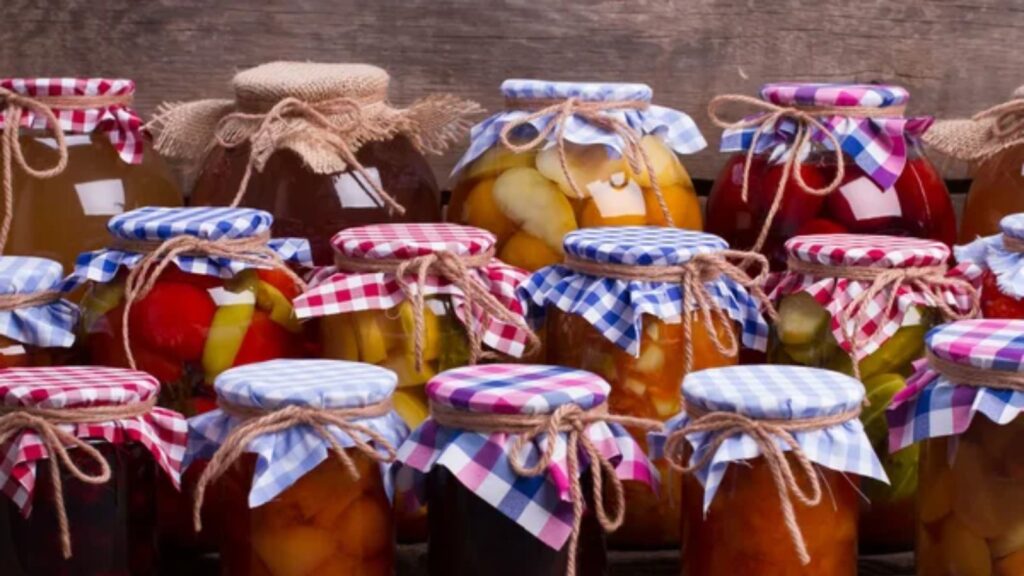
8. Food Preservation
Growing or buying food is only part of the job. You also need to know how to make it last.
Canning, dehydrating, fermenting, freezing, and curing can all help preserve food for later use. Learning how to properly prepare and store meat is another useful skill.
Food preservation can also become a small source of income. Homemade jams, dried fruits, canned vegetables, pickles, and other preserved foods can be sold or traded where local laws allow.
9. Sewing, Mending & Clothing Repair
Clothing takes a beating. Buttons fall off, seams split, zippers break, and holes appear in socks and jackets.
A person who knows how to repair clothing can get much more use out of what they already own. Basic sewing skills can also be used to patch blankets, curtains, bags, and other household items.
With more practice, you can learn how to alter clothing, make simple garments, or turn old fabric into something completely different.
Teaching these skills to others can also become a small side income.
10. Blacksmithing & Tool Making
A broken tool can be a serious problem if replacements aren’t readily available.
Blacksmithing teaches you how to heat, shape, and work metal into useful objects. With the right equipment and training, you can repair old tools or make items such as hooks, brackets, hardware, and simple implements.
This is one skill that requires proper instruction and safety precautions, especially because you’re working with extreme heat and heavy equipment.
For someone willing to learn, it can also become a valuable trade.
11. Butchering & Animal Processing
Hunting or raising animals for food is only part of producing meat. Knowing how to process an animal safely and avoid unnecessary waste is another skill altogether.
Proper butchering takes practice. You need to know where to make cuts, how to keep meat clean, how to handle organs, and how to store the finished meat safely.
Learning from someone experienced is much better than trying to figure it out on your own after you’ve already harvested an animal.
12. Foraging & Plant Identification
Wild plants can provide food and, in some cases, traditional medicinal uses. The catch is that you have to know exactly what you’re looking at.
Some edible plants have poisonous lookalikes, and eating the wrong mushroom, berry, or leaf can cause serious illness.
Start with a small number of easily identified local plants and learn them well. Use reliable field guides and learn from experienced local foragers before eating anything you find in the wild.
13. Alternative Energy Setup (Solar, Wind, Battery Systems)
Losing the grid doesn’t necessarily mean giving up every source of electricity.
Solar panels,
You don’t have to install a huge system. Learning the basics of
If you’re unfamiliar with electrical work, get proper instruction before working on larger systems.
14. Security & Perimeter Defense
Security doesn’t have to mean turning your home into a fortress.
Basic awareness can go a long way. Knowing who is coming and going, keeping doors and windows secure, maintaining good outdoor lighting, and having a way to notice unusual activity can help protect a household.
Simple warning systems can also be useful. Even something as basic as containers or other objects positioned where they will make noise if disturbed can alert you to movement around an area.
Good communication between household members is just as important as physical security measures.
15. Firearms Handling & Maintenance
For people who legally own firearms, safe handling and proper storage should come before everything else.
Knowing how to safely unload, clean, store, and maintain a firearm is useful knowledge for any responsible gun owner. Formal firearms-safety training can teach habits that are difficult to learn from reading alone.
If you own a firearm, make sure you understand your local laws and follow safe-storage practices. Teaching children and other household members to treat firearms as dangerous equipment is also part of responsible ownership.
The broader lesson behind all these skills is simple: the more things you know how to do for yourself, the fewer situations will leave you completely dependent on someone else.
You don’t have to become an expert in all 15. Pick one, practice it, and gradually add more. A few hours spent learning how to grow vegetables, mend a shirt, preserve food, or repair a tool could prove far more useful than you expect.