
Having an emergency food supply gives your family an extra layer of security during unexpected situations. The challenge many people face is finding enough room to store those supplies without turning their home into a warehouse.
Food storage does not have to take over your living space. By using overlooked areas around your home, you can keep your supplies organized, protected, and easy to reach when needed. The key is choosing locations that are dry, safe from pests, and suitable for the type of food you are storing.
Here are some practical storage spots that can help you make the most of your available space.
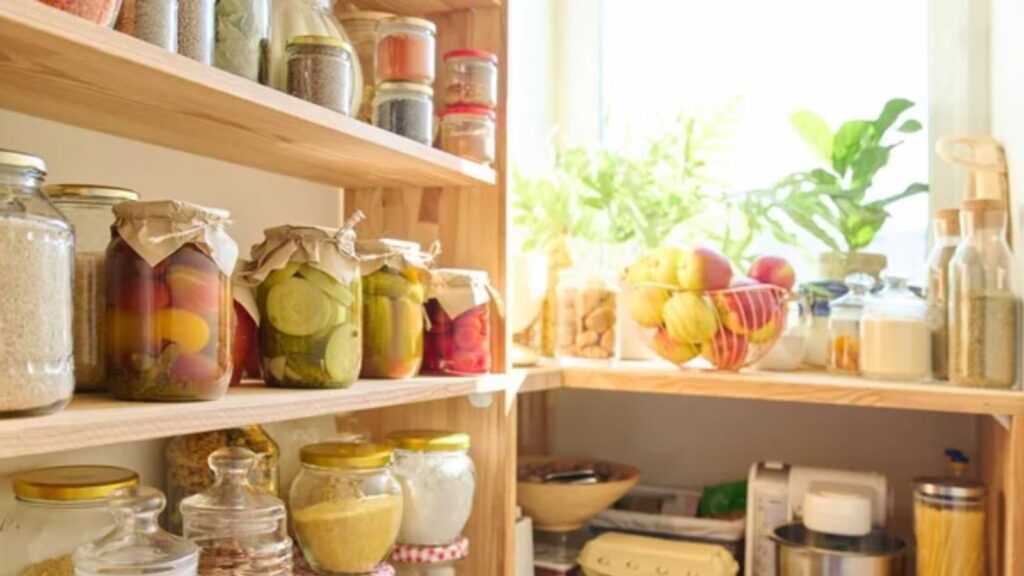
Kitchen Pantry
The pantry is the first place many people think of for emergency food storage because it is easy to access and monitor. Adding stackable shelves, labeled containers, and food organizers can help you store more items without creating a mess.
Keeping similar items together also makes it easier to track expiration dates and rotate older supplies before newer ones.
Related: How to Keep an Uncluttered, Organized Kitchen Pantry
Basement
A basement can be an excellent location for food storage because it often stays cooler than other areas of the home. A stable temperature helps protect many types of emergency foods.
Keep supplies on shelves or raised platforms instead of directly on the floor to protect them from possible leaks or flooding. If your basement has moisture problems, a dehumidifier can help reduce humidity and protect stored items.
Under the Bed
The empty space beneath your bed is a useful storage area that often goes unused. Flat storage containers can hold canned foods, dried meals, rice, pasta, and other long-lasting supplies while keeping them hidden.
Using rolling containers or pantry-style organizers makes it easier to remove older items first and replace them with newer supplies.
Related: 14 Monthly Home Maintenance Tasks Every Homeowner Should Do
Closets
A spare bedroom closet or an area with extra shelving can become a convenient food storage space. Storage bins and shelves can turn an unused closet into an organized supply area.
This option works well for people who want their emergency food stored out of the way while still being easy to access.
Garage
A garage can hold larger amounts of emergency food, but temperature changes need to be considered. Extreme heat can damage some canned goods and shorten the storage life of certain foods.
Keep supplies away from direct sunlight, store them off the ground, and use sealed containers to help protect against insects and rodents.
Attic
Attics provide extra storage space, but they are not suitable for every type of emergency food. Temperatures can become very high during warmer months, which may affect certain items.
Freeze-dried meals and other foods that handle temperature changes better may work well here. Store everything in airtight containers to protect against moisture and pests.
Related: 10 Canned Beans Every Emergency Pantry Should Have
Behind Furniture
The space behind large furniture pieces can become a hidden storage area. Narrow containers, vacuum-sealed bags, or small bins can fit behind couches, cabinets, and other large items.
This location works best for lightweight supplies that you may not need to access every day.
Cabinets Above Appliances
The cabinets above refrigerators and ovens often sit mostly empty. These areas are useful for storing lightweight items such as pasta, boxed meals, snacks, and dry goods.
Since these spaces can be harder to reach, they are better suited for foods that have a longer shelf life.
Related: 16 Old-Fashioned Kitchen Tricks Every Home Cook Should Know
Laundry Room
A laundry room with cabinets or shelving can provide extra storage space for emergency supplies. Food should be kept away from moisture, cleaning products, and areas where spills are common.
Plastic storage totes with secure lids can help keep supplies clean, dry, and protected.
Bookshelves
A sturdy bookshelf can serve as more than a place for books. Baskets, storage boxes, or decorative bins can hold emergency food while keeping the area looking organized.
This option works well for apartments or smaller homes where every bit of storage space matters.
Furniture With Hidden Storage
Furniture with built-in compartments can provide a discreet place for emergency supplies. Storage beds, ottomans, and coffee tables with hidden sections can hold smaller food items while keeping them nearby.
These pieces are especially useful for homes where closet and cabinet space is limited.
Off-Site Storage Unit
For households with very limited space, a climate-controlled storage unit can provide room for additional emergency supplies. This can also serve as a backup location if you have an evacuation plan.
When using off-site storage, choose a secure location and check your supplies regularly to replace damaged or expired items.
Finding the right storage locations can make building an emergency food supply much easier. A few unused spaces around your home can hold a surprising amount of food, helping you stay prepared without sacrificing your everyday living space.