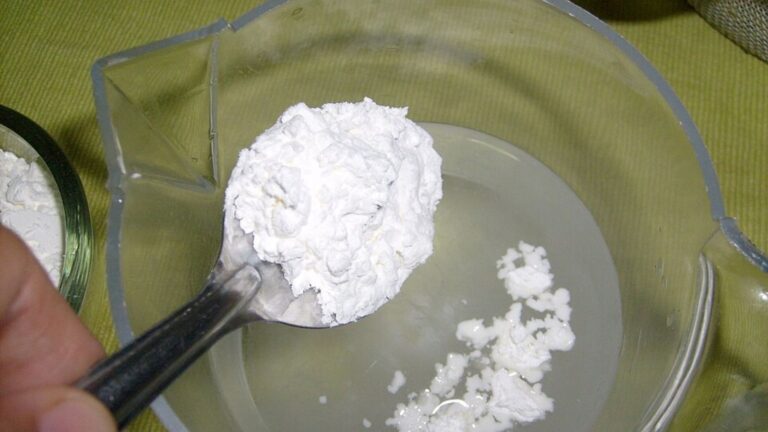
Flour is something most of us take for granted until it suddenly isn’t available. If grocery store shelves are empty or you’re relying on what you can grow and forage, knowing how to make your own flour can become a valuable skill. Flour isn’t just for bread, it can also be used to make pancakes, tortillas, biscuits, dumplings, or to thicken soups and stews.
Wheat may be the best-known source of flour, but it’s far from the only one. Many trees, wild plants, grains, seeds, and roots can be dried and ground into a usable flour. Some grow in gardens, others grow wild along trails, fields, or waterways, and many have been used as food for centuries.
Here are 15 plants and crops that can be turned into flour if traditional options aren’t available.

Acorns
Acorns have fed people for thousands of years, though they need a little preparation before they’re safe to eat. Fresh acorns contain tannins, which make them bitter and can upset your stomach if eaten in large amounts.
After shelling the acorns, soak them in water, replacing the water until it no longer turns brown. Once the tannins have been removed, dry the acorns completely and grind them into flour. Acorn flour has a rich, nutty flavor that’s perfect for pancakes, bread, muffins, and porridge.
Related: How to Make Almond Flour Banana Bread
Cattail Roots
Often called the supermarket of the swamp, cattails offer several edible parts, including their starchy rhizomes.
Dig up the roots, wash away the mud, peel off the outer layer, and dry the white interior before grinding it into flour. Cattail flour is rich in carbohydrates and works well in breads or as a thickener for soups.
Amaranth Seeds
Amaranth has been grown for centuries because it’s nutritious and easy to produce. The tiny seeds contain protein, fiber, and minerals.
Harvest the seeds, remove the chaff, and grind them into a fine flour. Its slightly earthy taste pairs well with other flours for flatbreads, muffins, and quick breads.
Related: 15 Survival Plants You Can Grind Into Flour
Quinoa
Quinoa is famous for its protein content, but it also makes an excellent flour.
Before grinding, rinse the seeds well to remove their natural coating, which has a bitter taste. Dry them thoroughly, then mill them into flour for baking or thickening soups and sauces.
Buckwheat
Buckwheat isn’t related to wheat and contains no gluten. The seeds, often called groats, produce a flavorful flour with a mild, nutty taste.
Buckwheat flour is commonly used in pancakes, crepes, biscuits, and rustic breads, making it a useful staple for long-term food storage.
Chestnuts
Unlike most nuts, chestnuts are naturally high in starch and lower in fat, making them well suited for flour.
Peel the nuts, dry them completely, then grind them into a fine powder. Chestnut flour has a naturally sweet flavor that works especially well in baked goods, pastries, and pancakes.
Sunflower Seeds
Sunflower seeds can be ground into a rich, nutritious flour that’s packed with healthy fats and protein.
For the best flavor, lightly roast the seeds before grinding them. Mix the finished flour with grain-based flours for breads, muffins, crackers, or cookies.
Pumpkin Seeds
Pumpkin seeds, also called pepitas, produce another protein-rich flour that’s naturally gluten-free.
Dry the seeds before grinding them into a fine meal. Their mild, nutty flavor works well in breads, pancakes, crackers, and energy bars.
Chicory Root
Many people know chicory as a coffee substitute, but the root has other uses too.
Harvest the roots, clean them well, dry them completely, and grind them into flour. Its slightly bitter taste blends well with other flours and adds extra fiber to homemade baked goods.
Dandelion Roots
Dandelions are one of the most useful wild plants you can find. Their roots can be harvested, scrubbed clean, dried, and roasted before grinding.
Dandelion root flour is usually blended with other flours rather than used by itself. It adds nutrition and a mild roasted flavor to breads and muffins.
Broadleaf Plantain Seeds
Broadleaf plantain grows almost everywhere, from lawns to trailsides. While the leaves get most of the attention, the tiny seeds can also be collected.
Once dried, the seeds can be ground into flour. It’s high in fiber and works best when mixed with other flours for baking or thickening soups.
Jerusalem Artichokes
Also known as
Slice them thin, dry them thoroughly, then grind them into powder. The finished flour has a mild sweetness and works well in baked goods or homemade pasta.
Sorghum
Sorghum has long been a staple grain in many parts of the world because it grows well in hot, dry climates.
The grain mills into a light flour with a mild flavor that works in breads, pancakes, biscuits, and porridge. It’s naturally gluten-free and blends well with other flour substitutes.
Corn
Corn remains one of the easiest grains to store and process. Once fully dried, kernels can be ground into coarse cornmeal or milled into a finer corn flour.
Corn flour works well in tortillas, cornbread, muffins, and many traditional recipes, making it one of the most dependable survival staples.
Arrowroot
Arrowroot comes from a tropical tuber prized for its fine, starchy flour.
After drying the tubers, grind them into a powder that can thicken soups, gravies, sauces, and puddings. It also blends well with other gluten-free flours in baking because of its mild flavor and smooth texture.