Most of us have more emergency supplies around the house than we realize. There’s probably a flashlight in a drawer, a few spare batteries somewhere, and a first aid kit hidden away in a closet.
The problem isn’t always that we don’t have these things. It’s that we have no idea where they are when we actually need them.
During a power outage, severe storm, or unexpected evacuation, the last thing you want to do is search through every cabinet trying to remember where you put something important.
Before spending money on more emergency supplies, here are eight things you probably already own but might struggle to find when you need them most.
1. Flashlights
Almost every household has a flashlight, but finding it when the lights suddenly go out can be another story. It might be buried in a junk drawer or sitting in the garage. Keep a working flashlight somewhere easy to reach, and make sure everyone knows where it is.
2. Spare Batteries
You probably have batteries somewhere in the house, but are they the right size for your flashlight or emergency radio? It’s frustrating to find a package of AA batteries when the equipment you need takes D batteries. Check which sizes your devices require and keep a few extras together in one place.
3. First Aid Supplies
Bandages might be in the bathroom, antiseptic wipes in the kitchen, and the actual first aid kit somewhere in the garage. Having everything scattered around the house can make it difficult to find what you need quickly. Gather basic first aid supplies into one clearly labeled container and check periodically for missing or expired items.
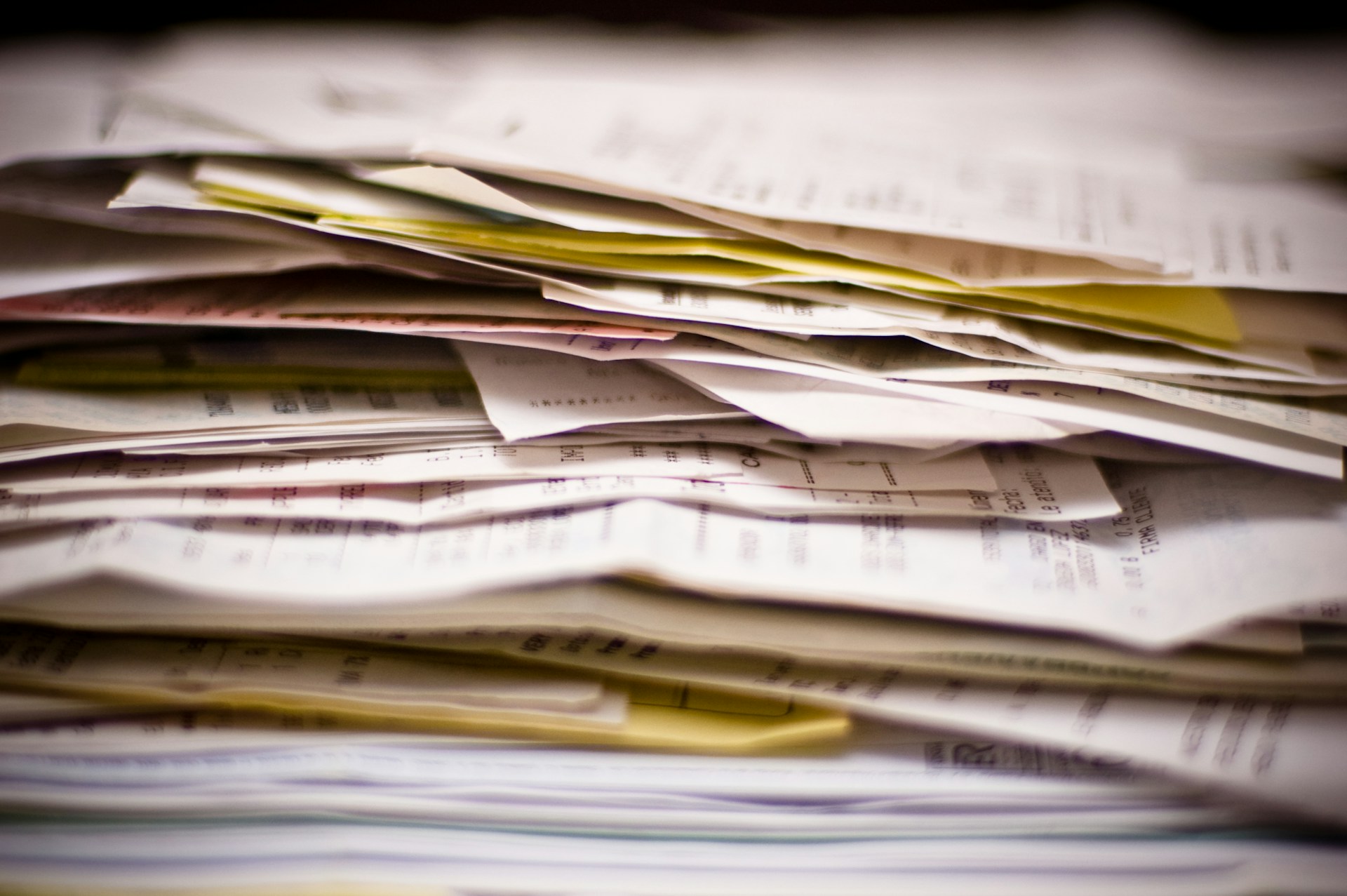
4. Important Documents
Birth certificates, insurance policies, identification documents, and medical information are often stored in different places around the house. Gathering everything during an unexpected evacuation can be stressful, especially when you’re short on time. Keep important documents organized in a waterproof, portable container and consider maintaining secure digital copies.
Related: 19 Important Documents You Should Never Throw Out
5. Portable Phone Chargers
Portable power banks are useful during outages, but only if you can find one that’s charged. Many households have them tucked away in travel bags, desk drawers, or closets, often without the right charging cable. Keep a charged power bank and compatible cable with your emergency supplies so they’re ready when needed.
6. A Manual Can Opener
You might have a pantry full of canned food, but how would you open it if your electric can opener stopped working? Many households own a manual can opener but rarely use it, making it easy to forget where it ended up. Check that yours still works and keep it somewhere accessible.
7. Emergency Contact Information
Most people rely on their phones to store important numbers, but that information may be difficult to access if a phone is lost, damaged, or out of battery. Write down essential contacts, including family members, medical providers, and utility companies. Keep the list with your emergency supplies so you aren’t relying entirely on your phone.
8. Extra Blankets and Warm Clothing
Most homes have spare blankets, jackets, and warm clothing tucked away in closets or seasonal storage bins. If the heating stops working during a winter power outage, searching through boxes for these items can be frustrating. Keep a few blankets and weather-appropriate clothing items somewhere accessible, especially during colder months.