Grocery bills can add up quickly, especially when fresh produce, meat, and dairy spoil before you get around to using them. A few changes to how you store food, plan meals, and handle leftovers can help you get more out of every grocery trip.
You don’t need a complicated system to waste less food at home. These 16 habits can help keep groceries fresh longer, save money, and make meal planning easier.
Delay Washing Produce
Washing fruits and vegetables before storing them can leave extra moisture that encourages mold, especially on berries and other delicate produce. For most items, wait until you’re ready to eat or cook them, unless the produce’s storage instructions recommend washing and drying it first.
Related: The Dishwasher Habits That Could Lead to Expensive Repairs
Keep Bananas Separate
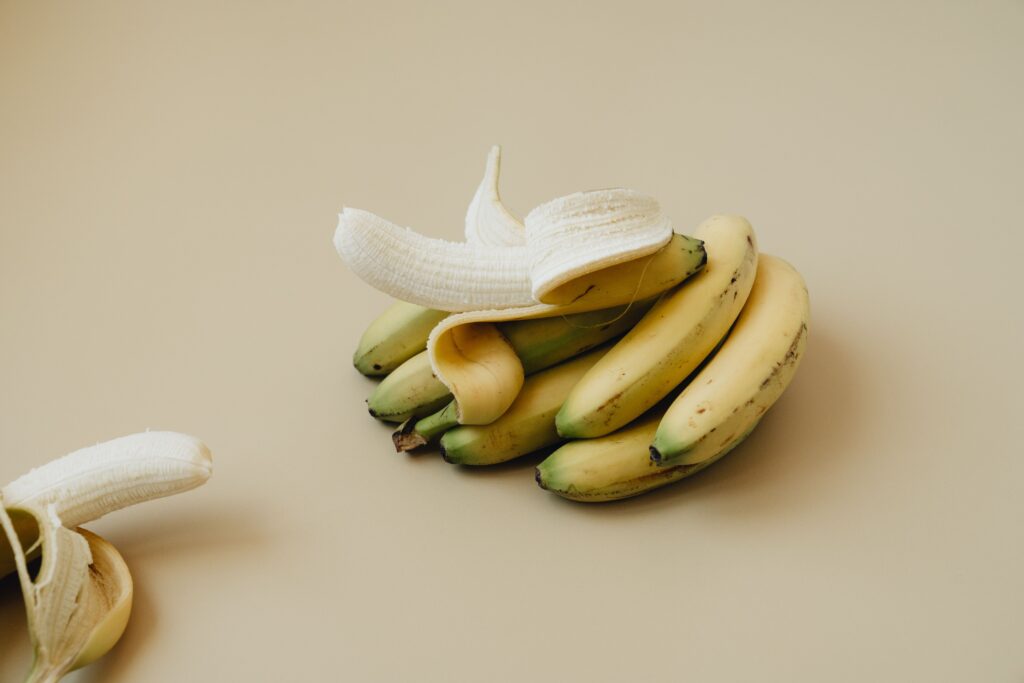
Separating bananas from the bunch can make it easier to manage ripening, especially if you want to eat them over several days. Wrapping the stems is another common trick, though the results vary, so buy bananas at different stages of ripeness if you want them to last longer.
Related: Before Clutter Takes Over, Start With These Simple Habits
Eat Leftovers Before They Go Bad
Leftovers can stretch one dinner into several meals, saving both time and money. Refrigerate cooked food within two hours, store it in shallow containers, and eat most leftovers within three to four days or freeze them for later.
Related: 13 Money-Saving Habits That Don’t Actually Save Money
Use Airtight Containers
Once food packages are opened, exposure to air and moisture can cause some items to go stale or lose quality. Store crackers, cereal, flour, nuts, and other dry goods in clean, airtight containers, following any storage instructions on the original packaging.
Related: 17 Frugal Habits That Make a Bigger Difference to Your Budget
Choose Clear Storage Containers
Transparent containers make it easier to see what’s in your refrigerator or pantry before food gets forgotten at the back. Labeling containers with the food name and storage date can also help you use older items first.
Pay Attention to Food Dates
A “best by” date often refers to quality rather than a strict safety deadline, but date labels and storage instructions vary by product. Use dates as a guide, follow safe storage practices, and never rely on smell or appearance alone to decide whether a perishable food is safe.
Keep the Refrigerator at the Right Temperature
Your refrigerator should stay at or below 40°F (4°C) to help slow bacterial growth. A refrigerator thermometer can help you check the temperature, especially after a power outage or if the door has been left open.
Store Dairy on an Interior Shelf
The refrigerator door experiences more temperature changes than the shelves inside, making it a poor spot for milk and other highly perishable dairy products. Keep milk, yogurt, and soft cheeses on an interior shelf, where temperatures tend to stay more consistent.
Check Fruit Regularly
Look through your fruit bowl and refrigerator every few days to spot damaged or moldy pieces before they affect nearby produce. Remove spoiled fruit, and use ripe items soon or freeze suitable fruit for smoothies and baking.
Cook in Batches and Freeze Portions
Making a larger batch of soup, chili, or pasta sauce can save time on busy evenings and give you meals for later. Divide cooked food into meal-sized portions, refrigerate or freeze it within two hours, and label containers so you know what’s inside and when it was stored.
Turn Overripe Fruit Into Smoothies
Very ripe bananas, berries, and other soft fruit can still be useful if they show no signs of spoilage. Blend them into smoothies, stir mashed bananas into baked goods, or freeze suitable fruit for another day.
Dry Fresh Herbs
Fresh herbs can wilt or spoil quickly, especially when left damp in the refrigerator. Drying suitable herbs in a clean, well-ventilated place or using a food dehydrator can help preserve them for months when stored in airtight containers away from heat and light.
Keep Frozen Produce on Hand
Frozen fruits and vegetables are convenient because you can use only what you need and return the rest to the freezer. They’re often frozen soon after harvesting, retain many of their nutrients, and can help reduce waste when fresh produce spoils before you use it.
Keep the Refrigerator Clean
Spills, forgotten leftovers, and spoiled produce can create odors and make it harder to see what needs using. Wipe up messes as they happen, check older items regularly, and avoid packing the refrigerator so tightly that cold air cannot circulate.
Freeze Meat Before It Sits Too Long
If you won’t use fresh meat within the recommended refrigerator storage period, freeze it while it’s still fresh rather than waiting until the last minute. Wrap it securely in freezer-safe packaging, label it with the date, and thaw it in the refrigerator or by another food-safe method.
Refrigerate Fruit That Lasts Longer When Chilled
Apples, grapes, and many other fruits keep their quality longer in the refrigerator than they do on the counter. Some fruits, such as bananas, are usually best kept at room temperature until ripe, so check the storage needs of each type before putting everything in the fridge.