A power outage that lasts a few hours is usually manageable. But when the electricity stays off for three days, everyday things like cooking, keeping food fresh, charging your phone, and staying warm can quickly become a challenge.
You don’t need an expensive survival kit or a basement full of supplies to prepare for a 72-hour outage. Having a few essentials at home can make those three days much easier, especially if stores are closed or you can’t leave the house.
Here are 14 things worth keeping on hand before the next extended power outage.
1. Bottled Water
Water should be one of the first things you stock up on, especially since a prolonged outage can affect municipal water systems or homes that rely on electric well pumps. The CDC recommends storing at least one gallon of water per person per day, so a family of four should have at least 12 gallons for three days, with extra for pets, medical needs, or hot weather.
2. Nonperishable Foods
Keep enough shelf-stable food to feed everyone in your household for at least three days without relying on your refrigerator or freezer. Canned beans, tuna, peanut butter, crackers, granola bars, dried fruit, and ready-to-eat meals are practical choices, especially foods that don’t require cooking or additional water.
3. A Manual Can Opener
Canned food won’t be nearly as convenient if your only can opener needs electricity. Keep a sturdy manual can opener in your kitchen or emergency supply bin, and make sure it works before you need it.
4. Flashlights and Headlamps
Flashlights are safer than candles and make it easier to move around the house when the lights go out. Keep several in easy-to-reach locations, and consider a headlamp so you can cook, carry supplies, or help children without holding a flashlight.
5. Extra Batteries
Flashlights, radios, and other emergency devices won’t do much good if their batteries are dead. Store spare batteries in the sizes your equipment requires, check expiration dates periodically, and consider rechargeable options with a reliable backup charging method.
6. A Battery-Powered or Hand-Crank Radio
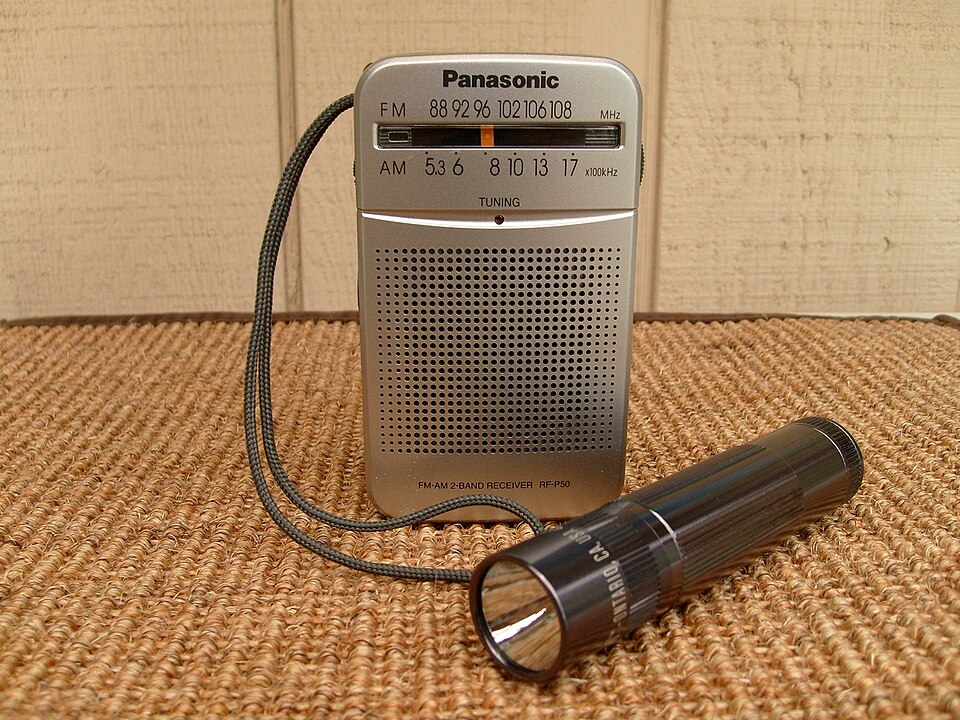
When your internet goes down and your phone battery is running low, a battery-powered or hand-crank radio can help you stay informed about weather conditions, emergency instructions, and restoration updates. A NOAA Weather Radio is particularly useful for receiving official weather alerts, but test it ahead of time so you know how to tune it and power it.
7. Portable Phone Chargers
A fully charged power bank can keep your phone working long enough to contact family, receive emergency alerts, or check on the outage. Choose one with enough capacity for multiple charges, keep the appropriate cables nearby, and recharge it regularly rather than leaving it forgotten in a drawer.
8. A First Aid Kit
Minor injuries can happen at any time, and dealing with them becomes more difficult when roads are blocked or emergency services are overwhelmed. Keep a first aid kit stocked with bandages, antiseptic supplies, gauze, gloves, and other basics, along with any personal medical supplies your household needs.
Related: How to Prepare an Emergency Bug-Out Bag (For Any Situation)
9. A Supply of Prescription Medications
Running out of an important medication during a three-day outage can become a serious problem, especially if pharmacies are closed or travel is difficult. Keep an appropriate reserve when your prescription and insurance allow it, and speak with your pharmacist about emergency refills and how to manage medications that require refrigeration.
10. Warm Blankets and Extra Clothing
If your heating system depends on electricity, indoor temperatures can drop quickly during a winter outage. Keep extra blankets, warm socks, thermal clothing, and sleeping bags available so everyone can stay comfortable without relying entirely on electric heat.
11. A Safe Backup Cooking Option
A camping stove or outdoor grill can make preparing meals easier when your electric stove isn’t working, but these appliances must only be used in appropriate outdoor locations. Never use charcoal grills, camping stoves, or fuel-burning equipment indoors or in a garage because they can produce deadly carbon monoxide.
12. A Portable Power Station
A portable power station can provide backup electricity for phones, lights, small electronics, and certain medical devices, depending on its capacity. Check its wattage and runtime before buying, keep it charged, and remember that smaller models generally aren’t designed to run major household appliances for three days.
13. Hygiene and Sanitation Supplies
An extended outage can become particularly unpleasant if your water supply or sewage system stops working. Keep toilet paper, hand sanitizer, disinfecting wipes, trash bags, personal hygiene products, and disposable gloves on hand, along with a plan for sanitation if toilets cannot be flushed.
14. Cash in Small Bills
Credit card machines, ATMs, and digital payment systems may stop working when electricity and internet connections are unavailable. Keeping some cash in small denominations gives you another way to purchase essential supplies if nearby businesses are still operating but cannot process electronic payments.