
What people do for fun often changes from one generation to the next. Before smartphones, streaming services, and social media filled so much of people’s free time, many families spent their afternoons gardening, sewing, collecting things, or working on handmade projects.
For older generations, these activities were often more than a way to pass the time. Some helped save money at home, while others offered a chance to relax, learn a skill, or spend time with family and friends.
Many of these pastimes are still enjoyed today, though they may not be as widespread as they once were. Here are 13 hobbies your parents and grandparents may remember fondly.
1. Crocheting
A ball of yarn and a crochet hook could keep someone busy for hours while producing blankets, scarves, clothing, potholders, and small decorations. Many people learned from a relative or friend, then spent evenings making items for their homes or as gifts for loved ones.
Related: 19 Old-Fashioned Pastimes That Can Make Your Free Time More Relaxing
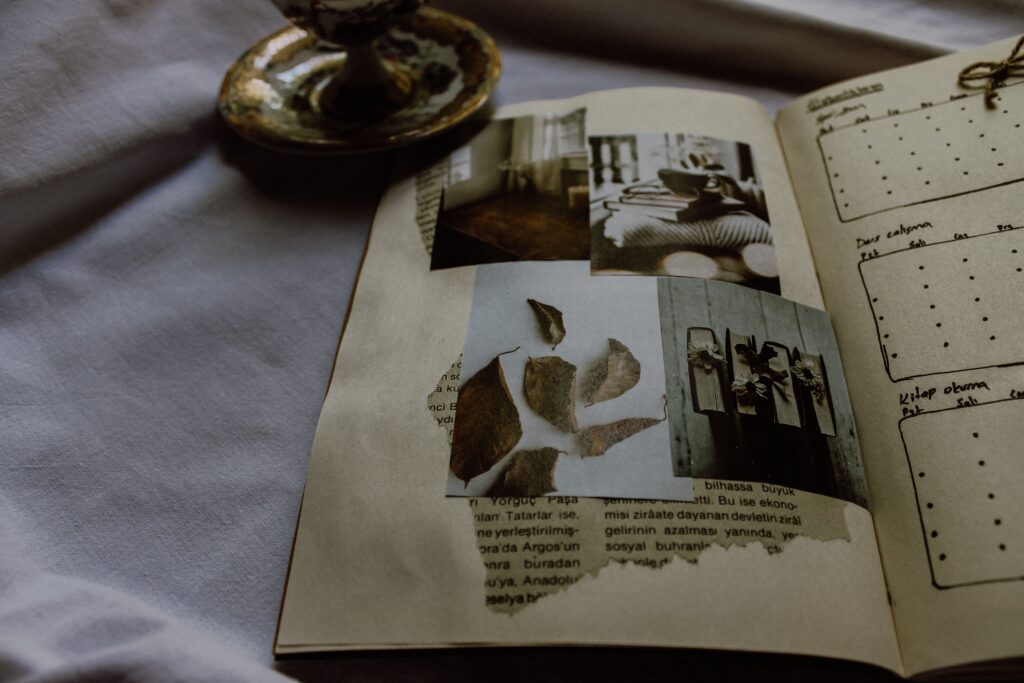
2. Scrapbooking
Before digital photo albums, families kept memories in scrapbooks filled with photographs, postcards, ticket stubs, greeting cards, and handwritten notes. People often decorated pages with captions and keepsakes from birthdays, weddings, vacations, and other moments worth remembering.
3. Home Gardening
Many families grew tomatoes, peppers, beans, herbs, and other crops in backyard gardens to have fresh food close at hand. Planting, watering, weeding, and harvesting gave people an outdoor activity to enjoy throughout the growing season.
4. Baking Bread from Scratch
Many families made homemade bread with simple ingredients such as flour, yeast, water, and salt. The process took time, but it provided fresh bread for the table and filled the house with the smell of a loaf baking in the oven.
Related: 14 Simple Baking Soda Tricks Every Household Should Know
5. Bird Watching
Bird watching could begin with nothing more than a quiet spot in the yard and an interest in the birds passing through. Some people watched from their porches, while others brought binoculars and notebooks to parks, fields, and nature trails to record the species they spotted.
6. Soap Making
Some people also enjoyed making soap at home as a creative pastime. People could shape homemade batches into bars and scent them with suitable ingredients, though traditional soap making requires careful handling of lye and proper safety precautions.
7. Candle Making
Candle making gave people a way to create items for their homes or prepare handmade gifts for friends and family. They could experiment with wax, wicks, molds, colors, and scents to produce candles in many shapes and sizes.
Related: 21 Survival Hobbies Worth Learning Before You Need Them
8. Stamp Collecting
Stamp collectors often started with stamps saved from letters and postcards, gradually sorting them by country, date, design, or theme. Each stamp offered a small glimpse into another place or period, giving collectors plenty to learn as their albums grew.
9. Food Canning and Preserving
Families with gardens often canned tomatoes, peaches, green beans, pickles, and jams to enjoy their harvest months later. The work could fill an afternoon during harvest season, leaving pantries lined with jars for meals long after the growing season ended.
10. Coin Collecting
Coin collecting appealed to people interested in history, art, and the search for unusual finds. Collectors often organized coins in albums and looked for changes in dates, portraits, lettering, and national symbols that told a story about when and where each coin was made.
11. Word Puzzles
Newspapers offered crosswords, word searches, and other puzzles that people could work on over breakfast or during a relaxing evening at home. All they needed was a pencil and a little time, making puzzles an inexpensive pastime for people who enjoyed a mental challenge.
12. Sewing
Sewing helped people repair torn clothing, replace buttons, shorten hems, and make items such as curtains, quilts, and garments. Many learned from their mothers, grandmothers, or other relatives, and a sewing machine often earned a permanent spot in a bedroom or spare room.
Related: 15 Old-School Skills Worth Learning From Our Grandparents
13. Calligraphy
Calligraphy turned handwriting into a creative activity, with people practicing decorative letters for personal notes, invitations, certificates, and greeting cards. Different pens, inks, and lettering styles gave hobbyists plenty to practice, while handwritten cards and envelopes added a personal touch to special occasions.
Other Topics You Might Like
- 21 Useful Hobbies That Build Strong Prepping and Survival Skills
- 18 Creative Grandma-Era Hobbies That Relieve Stress and Boost Happiness
- 18 Old-Fashioned Hobbies to Try If You’re in Your Granny Era
- 22 Grandma Hobbies to Help You Recharge, Reconnect and Reset Your Mind
- 19 Old-School Hobbies to Try if You’re Feeling Overwhelmed and Burnt Out