January gets a bad reputation in the garden. Beds are bare, the ground may be frozen, and it’s easy to assume nothing meaningful can happen yet. But this is often when some of the most important growth begins—and it doesn’t always take place outdoors.
January is for gardeners who plan ahead. It’s the month that gives slow-growing and cool-season vegetables the extra time they need to develop strong roots and steady growth. What you can sow now depends less on where you live and more on how you grow.
With a sunny windowsill, a simple
Long-Season Alliums That Need Extra Time
Onions and leeks are made for January sowing. They are classic January crops. They grow slowly, forming roots and structure long before harvest.
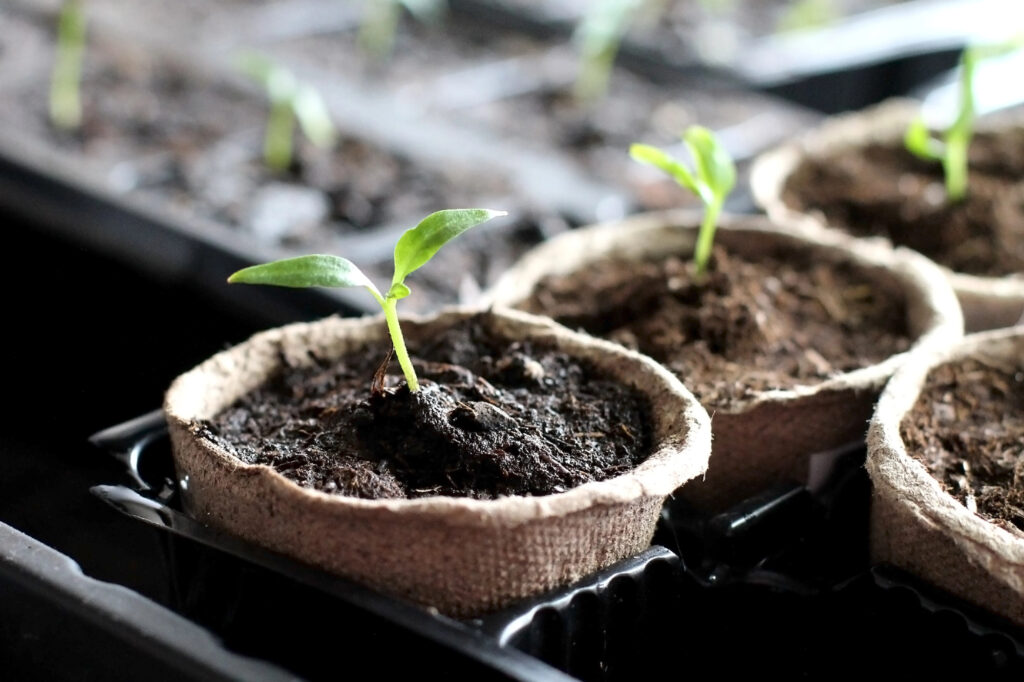
Starting them indoors now allows them to build strength before transplanting outside in early spring. By the time they hit the ground, they’re already established and ready to grow.
Cold-Loving Leafy Greens
Leafy greens are some of the most forgiving crops to start in winter.
Spinach, kale, and
Brassicas That Thrive With a Cool Start
Cabbage, broccoli, and cauliflower grow best when they aren’t rushed.
Starting these brassicas in January gives them time to develop before summer heat arrives. Strong seedlings lead to better heads and fewer growing issues later in the season.
Slow Growers Worth Starting Early
Celery, parsnips, and
Celery especially benefits from early sowing to form full stalks by late summer.
Climbers and Cool-Season Staples
Peas and broad beans tolerate cold better than most vegetables.
In milder climates, they can be sown outdoors with protection. In colder regions, starting them indoors keeps growth moving without exposing seeds to frozen soil. Early sowing often leads to earlier, sweeter harvests.
Warm-Weather Crops That Need a Head Start Indoors
If you have warmth and light, January is the right time to start tomatoes, peppers, chillies, and aubergines.
These crops need a long growing season. Starting now, let’s them grow slowly and steadily, rather than scrambling once spring arrives. Compact or indoor varieties are especially well suited for early sowing.
Root Crops and Quick Growers for Indoor Spaces
Radishes and early
They grow quickly and don’t demand much space, making them ideal for bright windowsills. These crops offer small but encouraging wins during winter.
Microgreens for Instant Gratification
When you want something to harvest now, microgreens are hard to beat.
Radish, mustard, kale, and mixed greens sprout quickly indoors and can be ready in days. They’re a reminder that growing doesn’t have to wait for spring.