If you’ve ever watched one of your chickens fly right over the fence you spent hours building, you know how frustrating it can be. One minute, everyone is safely inside the run, and the next, you’re chasing a chicken across the yard.
While chickens aren’t known for flying long distances, some breeds can get surprisingly high. And once they figure out how to clear a fence, keeping them contained can become a regular challenge.
One option is clipping their flight feathers. It’s a fairly simple process, but you should know a few things before reaching for the scissors.
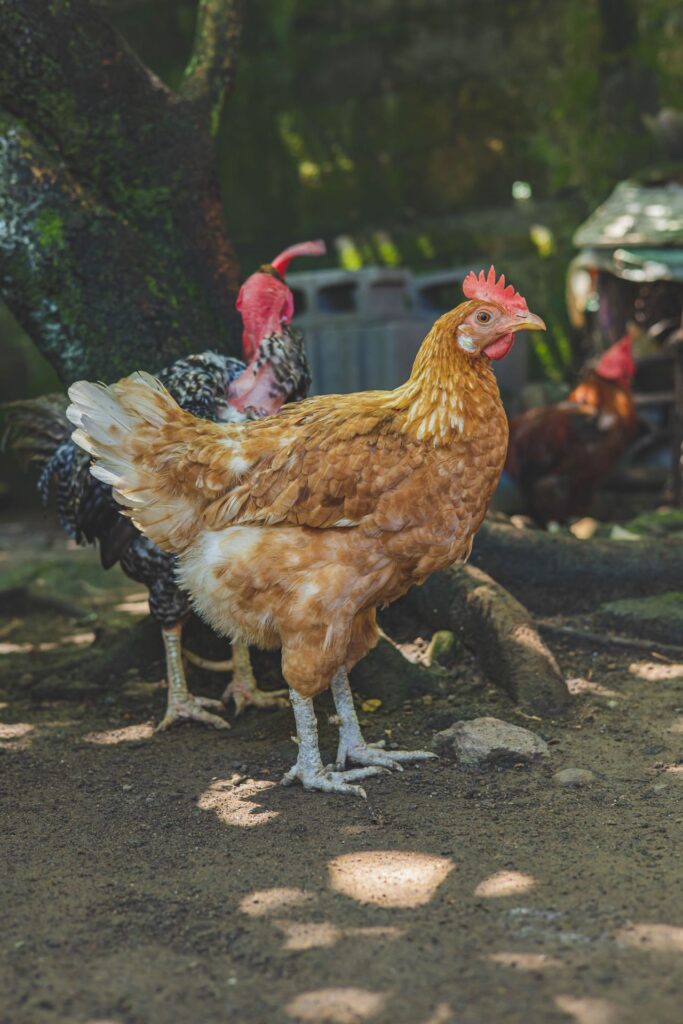
Why Do Chickens Fly Over Fences?
Chickens naturally like to perch and roost in elevated places. Some will hop onto a fence just to explore, while others may be looking for better food, more space, or somewhere interesting to scratch around.
Lighter breeds, including Leghorns and many bantams, tend to fly better than heavier backyard breeds. Even chickens that rarely fly can sometimes surprise you when something catches their attention.
The problem is that once they’re outside their enclosure, they’re more vulnerable to predators, traffic, and other dangers. They may also dig through your garden or wander into a neighbor’s yard.
What Is Chicken Wing Clipping?
Wing clipping involves shortening some of a chicken’s long flight feathers to reduce its ability to gain height.
You’re trimming feathers, not the actual wing. Fully grown feathers don’t have an active blood supply, so cutting them correctly shouldn’t hurt your chicken.
According to the University of Kentucky’s poultry extension guidance, trimming primary flight feathers can make it more difficult for chickens to fly out of their enclosures.
However, clipping won’t stop every chicken from escaping, and it can affect their ability to land safely or escape danger.
How to Clip a Chicken’s Wings
Step 1. Gather Your Supplies
You don’t need much equipment to clip wings. A sharp pair of scissors, a calm place to work, and someone to help hold the chicken are usually enough.
Having someone else help is especially helpful if you’ve never clipped wings before. One person can gently secure the chicken while the other concentrates on the feathers.
Step 2. Catch and Hold Your Chicken Safely
Approach your chicken calmly, and if possible, avoid chasing it around the yard. Once you’ve picked it up, keep the bird upright, support its body and breast, and gently hold its wings against its sides.
You may have heard that holding chickens upside down makes them easier to handle, but we don’t recommend it. The RSPCA’s chicken-handling guidance explains that this position can cause significant stress and potentially interfere with breathing.
Step 3. Find the Primary Flight Feathers
Gently extend one wing and look for the longest, stiff feathers toward the outer end. These are the primary flight feathers, which chickens use to help generate lift.
Don’t confuse them with the shorter feathers closer to the body. Take your time identifying the right feathers before you make any cuts.
Step 4. Check for Blood Feathers
Before trimming anything, carefully inspect the feather shafts. New feathers, sometimes called blood feathers, contain blood vessels while they’re growing and should never be cut.
Mature feathers have hollow shafts, while developing feathers may look darker or pinkish. If you’re unsure whether a feather is fully grown, leave it alone.
Penn State Extension’s poultry wound guidance explains why cutting feathers that still contain blood vessels can lead to bleeding.
Step 5. Trim the Flight Feathers Carefully
Once you’ve identified the mature primary feathers, use sharp scissors to shorten them conservatively, staying well away from the wing and the feather bases. If this is your first time, have an experienced chicken keeper or poultry veterinarian demonstrate the proper cutting line.
Some poultry guides recommend clipping the primary feathers on one wing to make flying more difficult. However, the RSPCA recommends trimming both wings evenly because an uneven trim can affect balance and make landing more dangerous.
Step 6. Let Your Chicken Settle Back In
Once you’re finished, gently return your chicken to its enclosure and give it some space. Watch how it moves, jumps, and gets onto its usual perches.
If your chicken seems unsteady or has difficulty reaching important areas of the coop, you may need to adjust the setup to make things easier.
Does Wing Clipping Hurt Chickens?
Clipping fully developed feathers shouldn’t cause pain when done correctly. It’s similar to cutting hair because you’re removing material that no longer has an active blood supply.
However, the process of being caught and restrained can be stressful, and cutting a developing blood feather can cause pain and bleeding. Improper clipping can also increase the risk of injuries from awkward landings.
If you accidentally cut a blood feather, apply gentle pressure and contact a poultry veterinarian if bleeding continues.
How Often Do You Need to Clip Chicken Wings?
Wing clipping isn’t permanent. Chickens naturally replace their feathers during molting, which means their flight feathers will eventually grow back.
You may need to repeat the process after a molt if your chicken starts clearing the fence again. Some birds may never need another trim, while others are determined enough to keep trying.
Is Wing Clipping Always Necessary?
Not every chicken needs wing clipping. If your flock stays inside its enclosure without any problems, there’s usually no reason to interfere with its feathers.
Remember that flying can help chickens escape predators. If your birds free-range where dogs, foxes, or other predators are a concern, reducing their ability to fly could make them more vulnerable.
Before clipping, consider whether a taller fence, covered run, or other enclosure improvements would solve the problem instead. The University of Maryland Extension discusses wing clipping alongside other measures for protecting backyard poultry.
Other Ways to Keep Chickens From Escaping
If you’re hesitant about clipping wings, other options can keep your flock safely contained.
- Add a roof or secure netting to the run. A properly installed cover can keep chickens inside and help protect them from certain predators.
- Remove jumping-off points. Feeders, outdoor furniture, and other objects near the fence can make it easy for chickens to reach the top.
- Provide more room to explore. Chickens need opportunities to scratch, forage, dust bathe, and stay occupied.
- Check for gaps around the enclosure. Sometimes a chicken isn’t flying out at all. It’s simply squeezing through an opening you haven’t noticed.
Keeping Your Chickens Safe Comes First
Wing clipping can help with chickens that repeatedly fly out of their enclosures, but it shouldn’t automatically be your first solution.
A secure coop and run, enough space, and a little attention to your flock’s behavior can prevent many escape attempts without trimming feathers.
If you do decide to clip your chickens’ wings, take your time, handle them gently, and make sure you know exactly which feathers are safe to cut. The goal is to keep your chickens protected without creating new risks.
I’ve included credible links from university poultry extension programs, Penn State, and the RSPCA directly in the article so readers can learn more about the advice.