
The rapid growth of artificial intelligence is creating an electricity demand problem that some parts of the country may not be equipped to handle. As technology companies race to build more data centers, power grid operators are trying to accommodate their enormous energy needs without compromising electricity reliability for existing customers.
According to recent reporting by BGR, Texas has become a particularly attractive destination for AI data centers due to its energy availability and relatively low operating costs. However, the sheer volume of requests to connect to the state’s power grid is raising concerns about how much additional demand it can realistically support.
And Texas isn’t the only place facing this challenge.
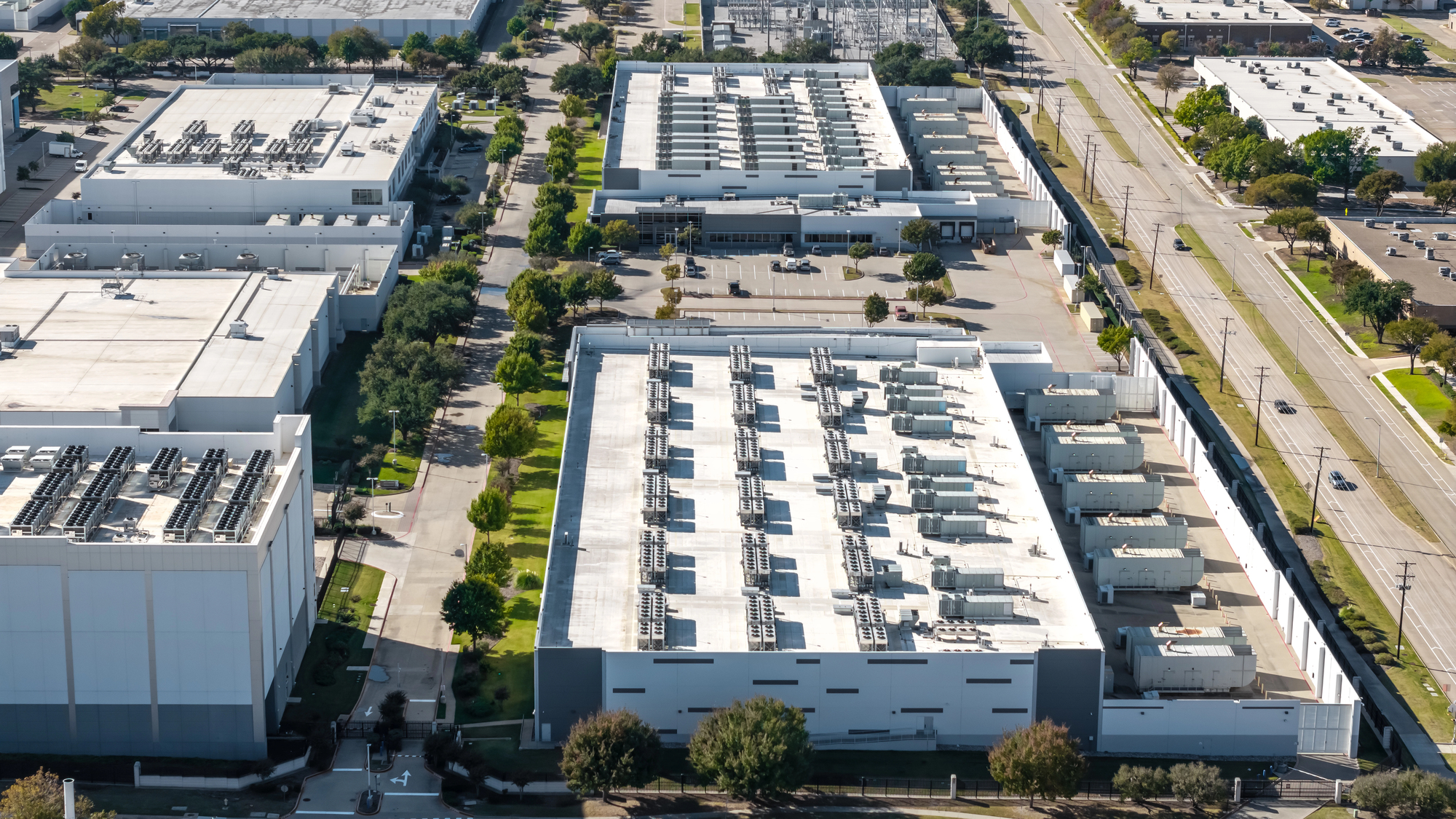
Electricity Requests in Texas Exceed Five Times Its Record Peak Demand
In July, the Texas power grid recorded an all-time peak electricity demand of approximately 91.1 gigawatts.
In August, Texas Governor Greg Abbott revealed in a letter to state energy regulators that the Electric Reliability Council of Texas (ERCOT) was considering approximately 474 gigawatts of requests to connect to the state’s power grid.
That’s more than five times its record peak electricity demand, with data centers accounting for approximately 90% of those requests.
While not all of these proposed projects will necessarily be built, the numbers illustrate the scale of the challenge facing electricity providers.
Texas Has a Power Grid Unlike Other States
One reason the situation in Texas is particularly concerning is that much of the state’s electricity grid operates independently from the rest of the country.
While other regions can exchange substantial amounts of electricity with neighboring power grids, Texas has limited ability to import electricity when its own supply falls short.
This vulnerability became particularly apparent during Winter Storm Uri in February 2021, when widespread power outages left millions of Texans without electricity during dangerously cold temperatures.
Texas Officials Are Putting the Brakes on Data Center Development
The growing number of electricity requests has prompted Texas officials to take a closer look at proposed data center projects.
In September, Governor Abbott directed state regulators to halt permits for data centers until ERCOT completes an audit examining their impact on electricity reliability and local water resources.
Officials are also looking at whether data centers can generate their own electricity, how much water they will consume, and who will pay for the additional electrical infrastructure they require.
Some Individual Data Centers Are Requesting Enormous Amounts of Electricity
A November update from ERCOT revealed that 33 projects included in its review are individually requesting more than one gigawatt of electricity capacity.
The grid operator received responses covering approximately 177 gigawatts of proposed connection capacity as part of its community impact review.
ERCOT is working to better understand these projects and their potential impact, with a final report expected on December 10.
Texas Isn’t the Only Place Facing This Problem
Similar concerns are emerging in other parts of the country, where data center development is competing with growing electricity needs from homes, businesses, and other industries.
San Francisco, for example, has been examining whether its existing electricity transmission infrastructure can accommodate new data centers without limiting housing development and other local priorities.
As demand for artificial intelligence continues to grow, communities may have to make difficult decisions about which developments their existing infrastructure can support.
Could Households End Up Paying the Price?
Beyond concerns about electricity availability, there’s also the question of who will pay for the infrastructure upgrades needed to support these facilities.
Adding power plants, transmission lines, and other electrical infrastructure requires substantial investment. If those costs aren’t allocated appropriately, residential customers could end up paying a portion of the bill.
For households already dealing with rising living expenses, the possibility of additional electricity costs is worth paying attention to.
What Does This Mean for Power Grid Reliability?
Growing electricity demand doesn’t automatically mean Americans should expect more frequent blackouts. Much will depend on how utilities expand their infrastructure, manage electricity consumption, and approve new developments.
However, for years, extreme weather has been one of the biggest concerns surrounding power grid reliability. Now, the growing electricity demands of the technology we use every day are adding another challenge.