Costco shoppers are stocking up on more than bulk groceries and household essentials. Recent reports of generators selling out at the warehouse retailer are raising questions about why people are investing in emergency equipment and backup power.
With recent technology outages and disruptions to everyday services, some Americans are rethinking how prepared they are to handle an emergency.
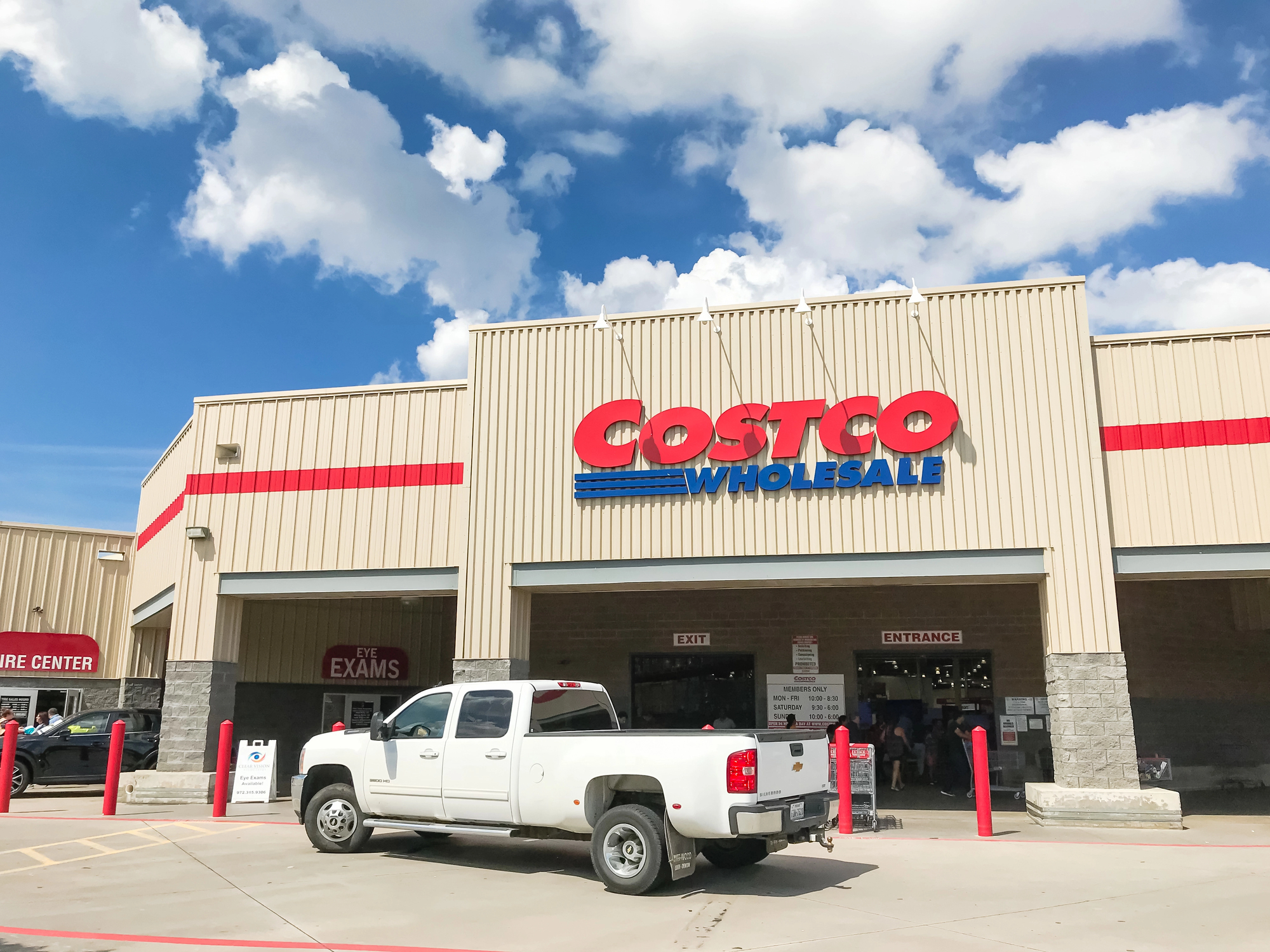
Costco’s Generators Are Selling Out
In a November 20 interview with Business Insider, Mizuho Securities analyst David Bellinger recalled spotting a $900 solar generator during a recent trip to Costco.
When he returned the following day, the generators were already gone. After ordering one online, he noticed that 21 of Costco’s 26 generator offerings were sold out.
Costco Isn’t the Only Retailer Seeing Increased Demand
Walmart has reported faster sales of propane and large bottles of water, while Tractor Supply has seen increased demand for backup generators, batteries, water storage containers, and food preservation supplies.
Emergency food suppliers ReadyWise and My Patriot Supply have also experienced shipping delays due to unusually high order volumes.
Emergency Preparedness Goes Beyond Stockpiling Food
Keeping extra canned goods, bottled water, and other pantry staples is often the first step people take toward emergency preparedness. But an extended power outage presents an entirely different set of challenges.
Without electricity, households could struggle to keep refrigerated food from spoiling, charge their phones, operate essential medical equipment, or maintain comfortable indoor temperatures.
For some families, spending hundreds of dollars on a generator may seem like a worthwhile precaution rather than an unnecessary expense.
There Are Plenty of Reasons to Invest in Backup Power
You don’t have to prepare for an economic crisis or nationwide disaster to justify buying a generator.
Winter storms, hurricanes, wildfires, extreme heat, and even routine equipment failures can leave households without electricity for hours or days.
Those who work from home, rely on powered medical equipment, or live in areas prone to outages may find backup power particularly useful.
The Government Already Encourages Households to Prepare
The U.S. government’s emergency preparedness website, Ready.gov, has long encouraged Americans to keep enough supplies on hand to manage for several days during an emergency.
Its recommendations include nonperishable food, drinking water, flashlights, batteries, emergency radios, and backup phone chargers.
While a generator isn’t necessarily something every household needs, having alternative ways to access light, power, and important information is worth considering.