Keeping extra food, water, batteries, and other emergency supplies at home sounds reasonable. But for Americans who are already stretching their grocery budgets to make it through the week, preparing for an emergency isn’t necessarily that simple.
The federal government encourages households to keep enough essential supplies to last several days. However, in a recent online discussion about emergency preparedness, several readers raised an important question: How are people supposed to stockpile food when they can barely afford to feed themselves now?
Not Everyone Has Extra Money to Spend on Emergency Supplies
For households living paycheck to paycheck, buying additional groceries can mean sacrificing something else. Between rent, utilities, transportation, and everyday expenses, there isn’t always money left over to prepare for something that may or may not happen.
One reader explained that their spouse frequently encourages them to buy emergency supplies, but their response is always the same: Where is the extra money supposed to come from?
Others pointed out that some families struggle to keep enough food in the house to make it through the month, let alone build a separate emergency stockpile.
Emergency Preparedness Can Get Expensive Quickly
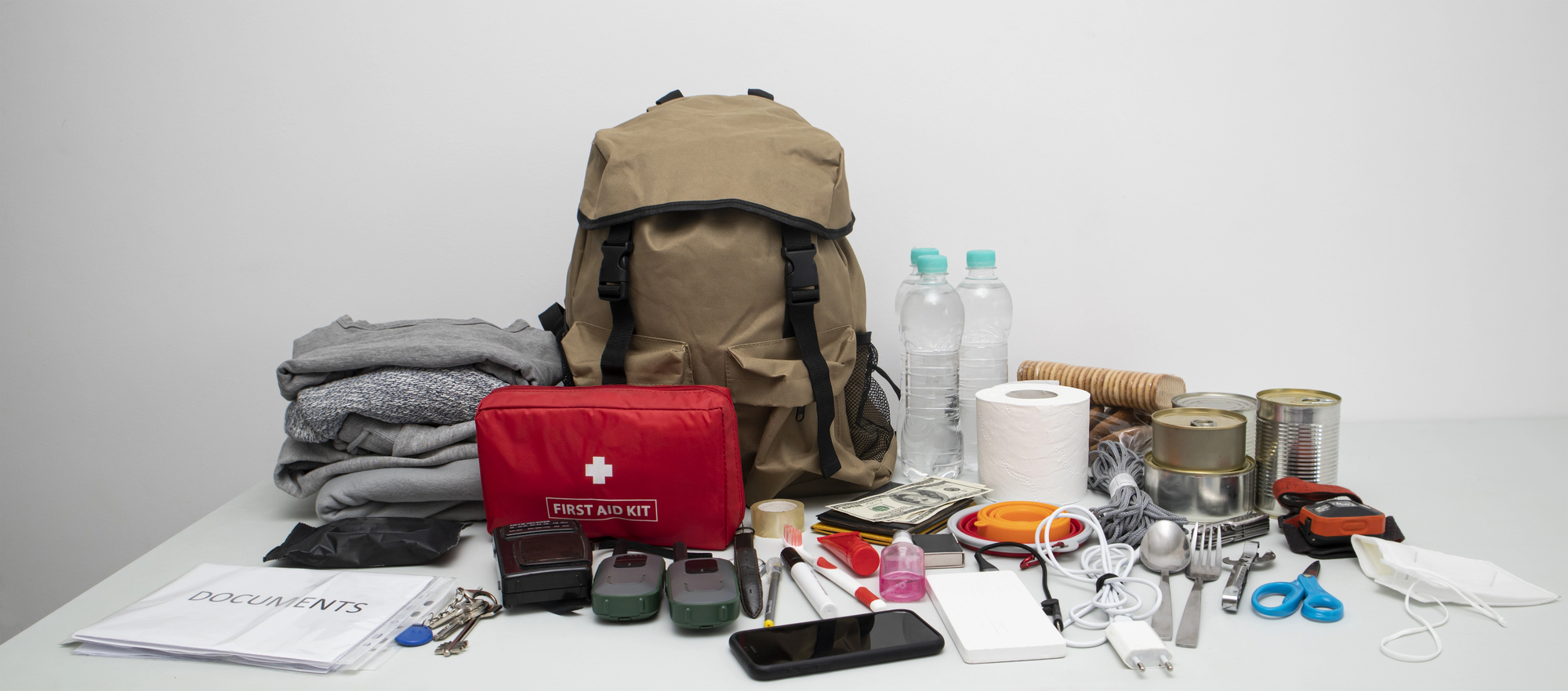
A quick search for emergency preparedness supplies can bring up everything from expensive generators and portable power stations to freeze-dried meals designed to last decades.
For someone just getting started, it can be overwhelming. A family could easily spend hundreds of dollars purchasing everything on a comprehensive emergency preparedness checklist.
However, many of the most useful emergency supplies are ordinary household items that don’t require shopping at specialty survival stores.
Some People Are Finding Ways to Prepare on a Tight Budget
Not everyone in the discussion believed emergency preparedness had to be expensive. Several readers shared suggestions for gradually building a stockpile without significantly increasing their grocery spending.
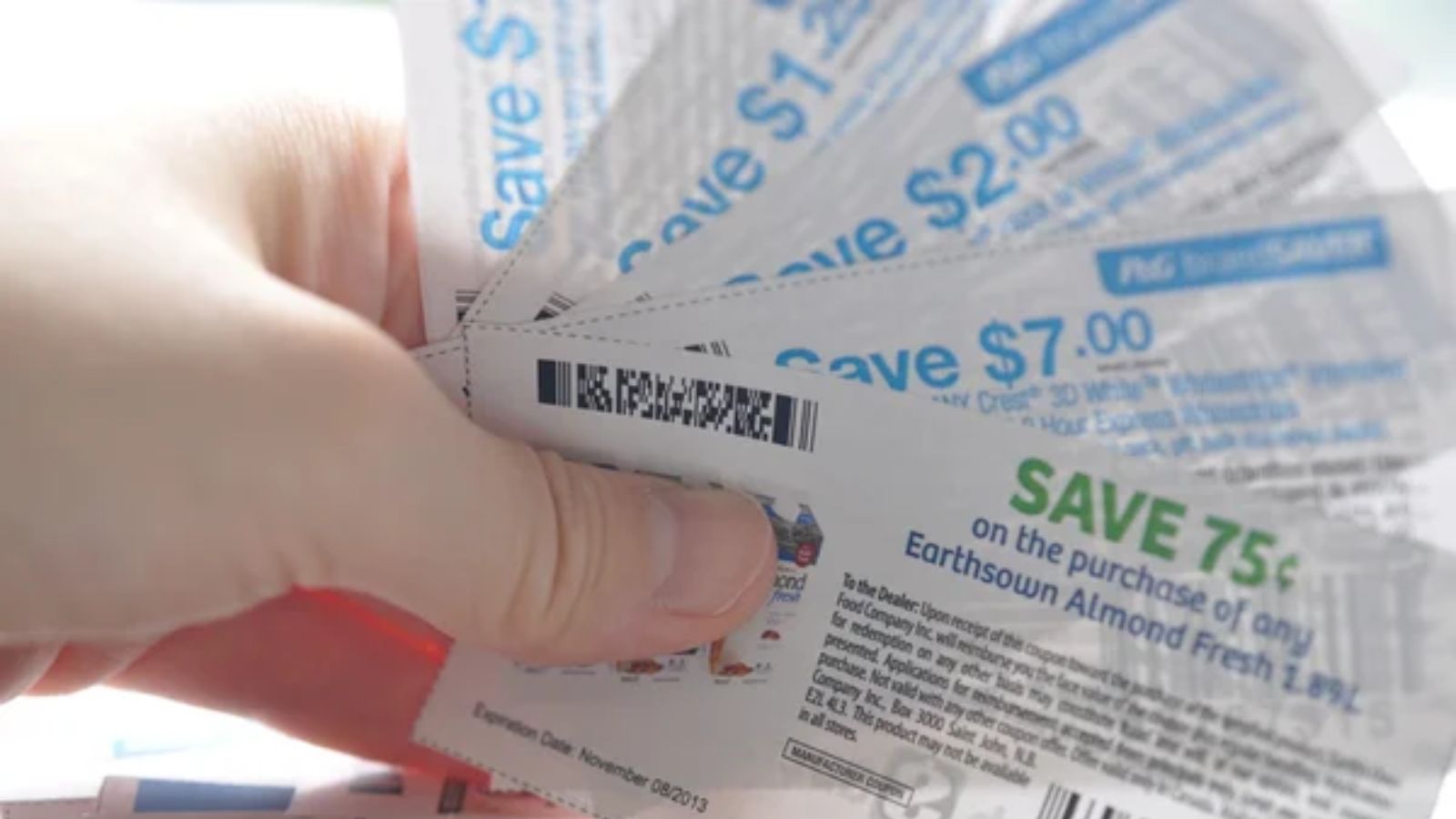
One recommended taking advantage of buy-one-get-one-free offers, shopping at discount stores, purchasing inexpensive canned vegetables, and splitting bulk purchases with friends or relatives.
Buying an extra can of beans, a bag of rice, or a package of batteries whenever there’s a good sale may not seem like much. But those small purchases can add up over several months.
Start With the Things You Already Buy
Instead of creating an entirely separate emergency shopping list, consider buying a little extra of the things your household regularly uses.
Canned tomatoes, peanut butter, pasta, oats, soap, toilet paper, and other everyday necessities are practical places to start. Rotating these items into your regular household routine also helps prevent food from expiring or supplies from going unused.
There is little benefit in spending money on emergency food that nobody in your family actually wants to eat.
Emergency Preparedness Isn’t a One-Size-Fits-All Situation
The government’s emergency supply checklist provides a useful starting point, but every household has different financial circumstances, storage limitations, and personal needs.
Someone with a large home and disposable income may be able to build a six-month stockpile. Someone living in a small apartment on a fixed income might consider an extra week’s worth of groceries a significant accomplishment.
Being prepared doesn’t have to mean having an entire room filled with supplies. Sometimes, it simply means having a little more than you need today.
The bigger question is whether emergency preparedness advice adequately considers the financial realities of the people being encouraged to follow it.