Keeping extra food in the pantry, storing bottled water, having emergency radios, and preparing for extended power outages have long been associated with the prepping community. But some of those same habits are now receiving renewed attention from governments around the world.
Concerns about extreme weather, cyberattacks, and disruptions to everyday services are prompting officials to encourage households to become more self-reliant. The idea is to help families manage for several days if the services they depend on suddenly become unavailable.
Britain Is Encouraging Households to Prepare for at Least 72 Hours
On October 22, 2026, the British government launched its Be Ready campaign, a three-year initiative designed to help households prepare for emergencies that could disrupt electricity, water, phone service, and internet access.
The guidance encourages residents to keep enough essential supplies at home to manage for at least three days. Officials hope that better-prepared households will reduce pressure on emergency services, allowing responders to prioritize those who need immediate assistance.
Britain isn’t alone in promoting this approach. France, Ireland, and the Netherlands have adopted similar three-day preparedness recommendations.
Shoppers Are Taking the Advice Seriously
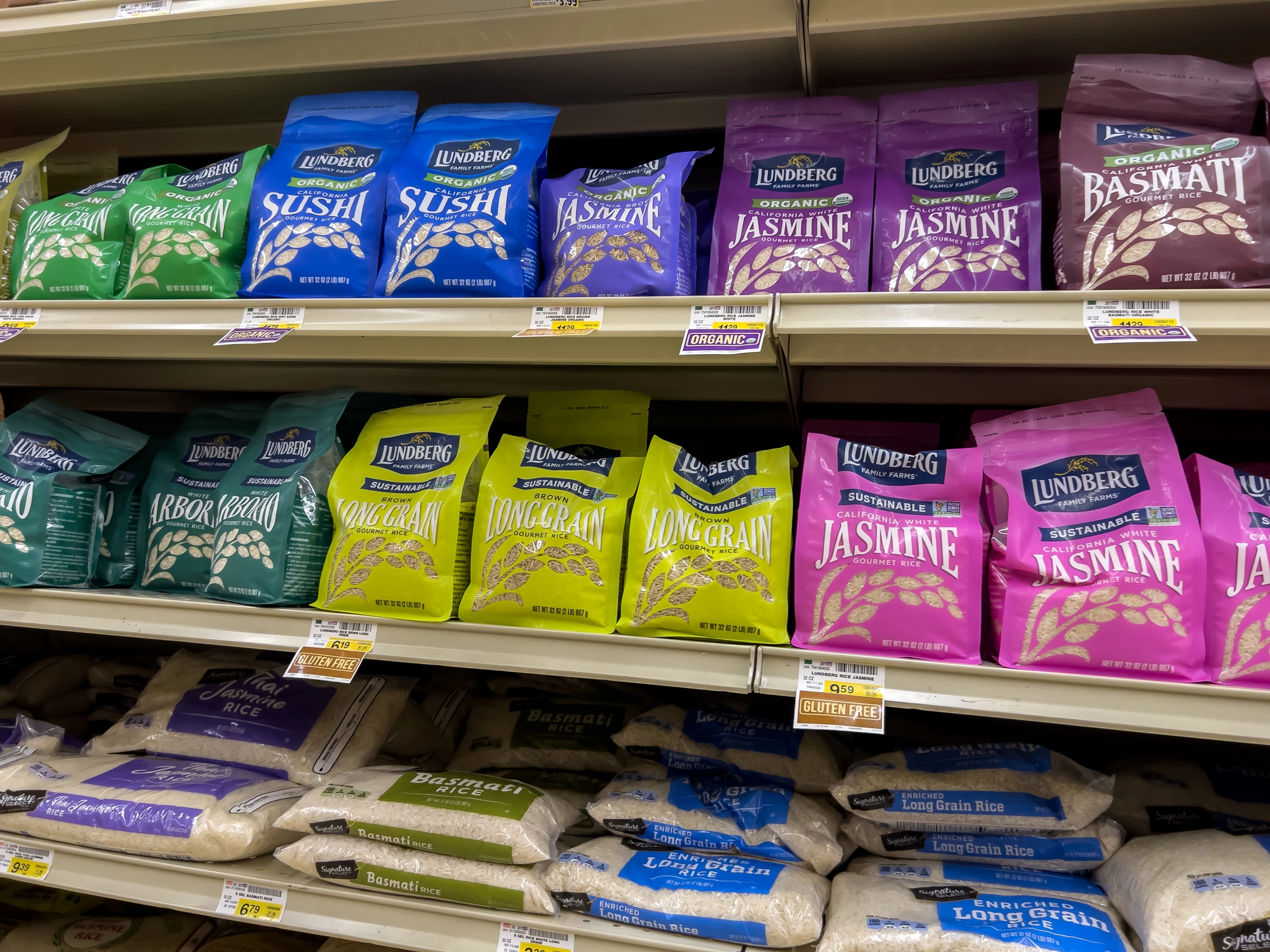
According to a recent report by The Washington Post, British sales of canned and jarred foods increased by more than 33% compared with the same period last year, while bottled water sales rose approximately 67%.
Some retailers have experienced shortages of emergency supplies, suggesting that households are taking the government’s recommendations seriously.
Emergency Preparedness Is No Longer Just About Natural Disasters
For many Americans, emergency preparedness has traditionally meant getting ready for hurricanes, tornadoes, earthquakes, wildfires, or severe winter storms.
However, modern households also depend heavily on technology and interconnected systems. A major disruption to electronic payment systems, telecommunications, transportation networks, or electricity could affect everything from purchasing groceries to accessing money and communicating with family members.
Even households that live in areas considered relatively safe from natural disasters can experience unexpected interruptions to essential services.
The United States Has Long Recommended Similar Preparations
The recommendations coming out of Europe aren’t all that different from the emergency preparedness advice Americans have been receiving for years.
The U.S. government’s Ready.gov emergency supply checklist encourages households to maintain several days’ worth of food and water, along with basic emergency equipment.
Many of these recommendations match practices preppers have followed for decades. Backup lighting, emergency cash, a well-stocked pantry, and a family communication plan are practical ways to prepare for unexpected disruptions.
Preparing for an Emergency Doesn’t Mean Panic Buying
Governments aren’t necessarily encouraging people to fill their basements with months or years of supplies. The emphasis is on practical preparation for temporary disruptions rather than preparing for an apocalyptic event.
Households can start by purchasing a few additional pantry staples during regular grocery trips, setting aside drinking water, checking their flashlight batteries, and making sure they have a way to receive emergency updates.
Buying foods your family already eats and regularly rotating those supplies can also prevent unnecessary spending and food waste.