Imagine walking into a grocery store with a cart full of food, only to discover that your debit card won’t work. You try another card, but the payment system is down. There’s no cash in your wallet, and the ATM isn’t working either.
For many Americans, something as simple as a technology outage could make an ordinary errand surprisingly difficult.
A series of recent outages affecting major companies, airlines, and financial services has highlighted just how much we depend on systems that aren’t always reliable. And while most disruptions are temporary, they raise an uncomfortable question: What would happen if the services we use every day suddenly stopped working?

We’ve Become Almost Entirely Dependent on Technology
From paying bills and buying groceries to communicating with family members, much of everyday life now depends on internet connections, electricity, and digital systems.
Recent technology disruptions have shown how quickly things can go wrong. According to the Associated Press, outages involving major companies and transportation systems have interrupted services that millions of people rely on.
While the incidents haven’t been established as connected, they demonstrate how vulnerable everyday routines can be to technical failures.
And for households that have moved almost entirely to digital services, even a short interruption can create unexpected problems.
Many Households No Longer Keep Cash on Hand
One of the biggest challenges during a payment system outage is something many people rarely think about anymore: having physical cash available.
Debit cards, credit cards, and mobile payment apps have made carrying cash less necessary. But when payment terminals, banking networks, or internet connections fail, those convenient options may suddenly become unavailable.
Keeping a reasonable amount of cash in small bills at home can provide a backup for essential purchases. It won’t solve every problem, especially if stores are closed, but it offers another option when electronic payments aren’t working.
Losing Internet Access Can Mean Losing Access to Important Information
Many people now store everything from phone numbers and insurance documents to medical information and financial records online.
That’s convenient until an internet outage, power failure, or service disruption makes those records difficult to access. Having printed copies of essential contact information, identification documents, insurance details, and important medical information can help households manage unexpected situations.
Even writing down a few important phone numbers can make a difference when a smartphone is lost, damaged, or unavailable.
Communication Can Become Difficult Without Power or Service
Most people rely on their phones for nearly everything, including directions, emergency alerts, banking, and contacting family members.
But a dead battery, cellular network problem, or widespread power outage can quickly limit those options.
A charged portable power bank, battery-powered or hand-crank radio, and a written family contact plan can help people stay informed and connected.
It’s also worth discussing where family members should meet or how they should check in if normal communication methods aren’t available.
Most Americans Could Benefit From a Simple 72-Hour Backup Plan
Being prepared for an outage doesn’t require an expensive emergency kit or an entire room dedicated to supplies.
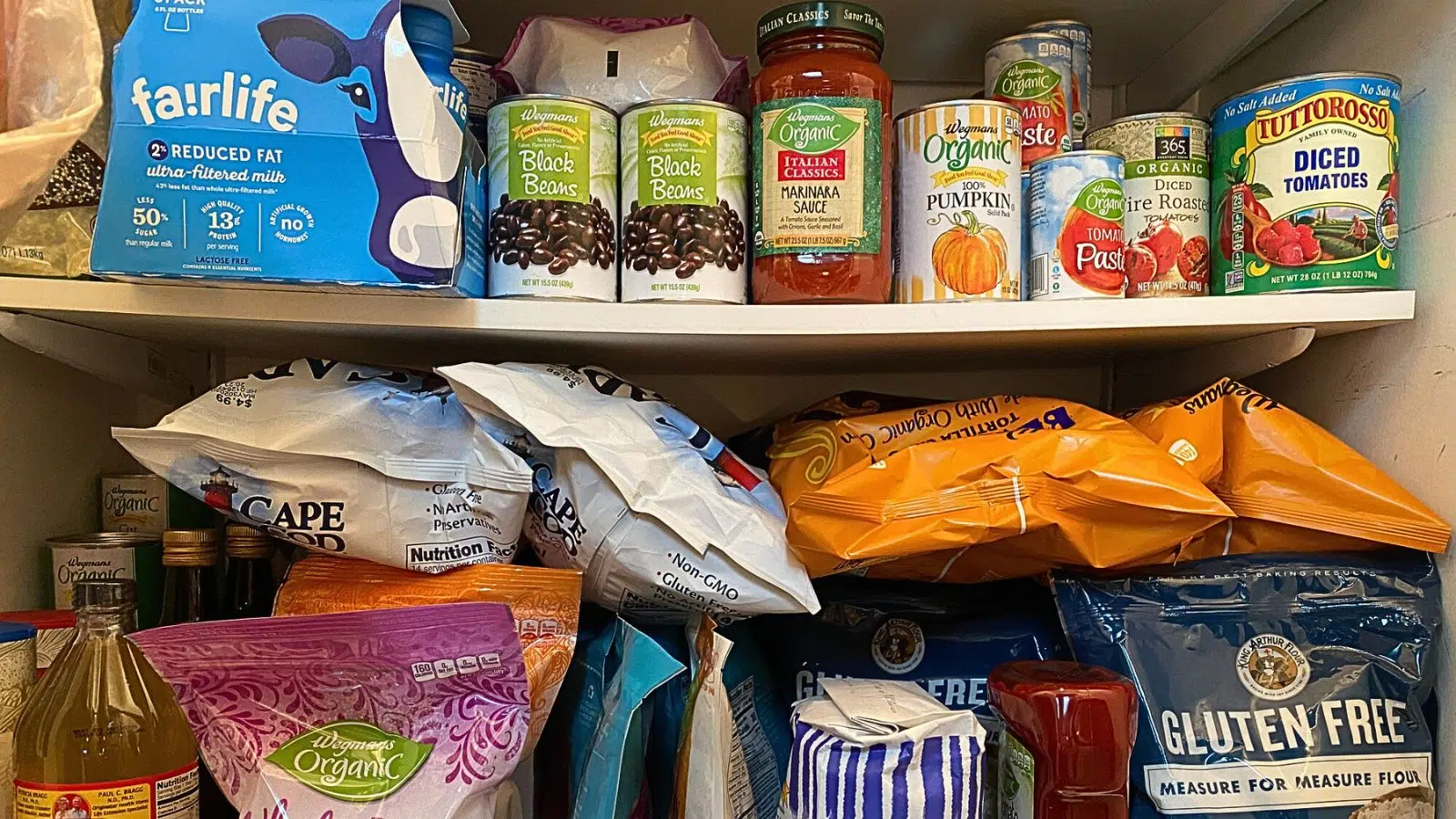
The federal government’s Ready.gov emergency supply checklist recommends keeping enough basic necessities to last at least three days. That includes approximately one gallon of water per person per day, nonperishable food, flashlights, batteries, first-aid supplies, and necessary medications.
Households can build these supplies gradually, adding a few extra items during regular shopping trips rather than making one expensive purchase.
The important thing is having a backup plan that works for your household, especially if the services you normally depend on become temporarily unavailable.