Building an emergency food supply sounds simple enough. Buy some extra canned goods, stock up on rice and beans, and put everything somewhere safe until you need it.
But there’s more to it than filling shelves with food. Some common stockpiling mistakes can leave you with groceries your family won’t eat, meals you can’t prepare, or supplies that have gone bad before you ever need them.
Whether you’re preparing for a power outage, severe weather, or an unexpected emergency, knowing what to avoid can save you money and make your food supply much more useful.
1. Buying Foods Your Family Doesn’t Actually Eat
Just because a particular food is popular among preppers doesn’t mean it belongs in your emergency pantry. If your family doesn’t enjoy canned tuna, lentils, or Spam, buying cases of them probably isn’t the best use of your grocery budget.
One Reddit user offered simple advice: “My rule of thumb is don’t buy food for an emergency that you won’t eat when there isn’t an emergency.”
Instead, start with shelf-stable foods your household already enjoys. You can use them in everyday meals and replace them as needed, rather than letting unfamiliar foods sit untouched for years.
2. Focusing Too Much on Foods That Last for Decades
It’s easy to get caught up in buying foods advertised as lasting 25 or 30 years. But if you’re preparing for a five-day power outage or a week of severe weather, you probably don’t need an entire pantry filled with specialty survival food.
Everyday groceries like canned soups, pasta, oatmeal, peanut butter, and canned vegetables can provide a practical starting point. Many are affordable, easy to find, and familiar to most families.
Long-term emergency foods can still have a place in your supply, but they don’t need to be your first purchase.
Related: 18 Foods To Stockpile That Can Last At Least a Decade
3. Spending Too Much Money Before Having a Plan
One mistake beginners make is assuming they need to spend hundreds of dollars on emergency food buckets, freeze-dried meals, and other specialty products.
While these foods can be useful in certain situations, buying them before figuring out what your household actually needs can lead to unnecessary spending.
A more affordable approach is to add a few extra groceries to your cart each week. An extra jar of peanut butter, a couple of cans of soup, or an extra box of pasta might not seem like much, but those purchases can gradually build a useful supply without straining your budget.
4. Stockpiling Random Foods Without Planning Meals
Having shelves full of canned goods doesn’t automatically mean you have enough food to prepare complete meals.
You might have several pounds of pasta but hardly any sauce, or plenty of rice without enough protein or vegetables to go with it.
“Randomly storing food will leave you with a strange hotch-potch of meals,” one Reddit commenter explained.
Before buying more groceries, plan several days of breakfasts, lunches, and dinners using shelf-stable ingredients. This makes it easier to identify what’s missing and helps ensure your emergency supply includes foods that actually work together.
5. Forgetting You Might Not Have Water or Electricity
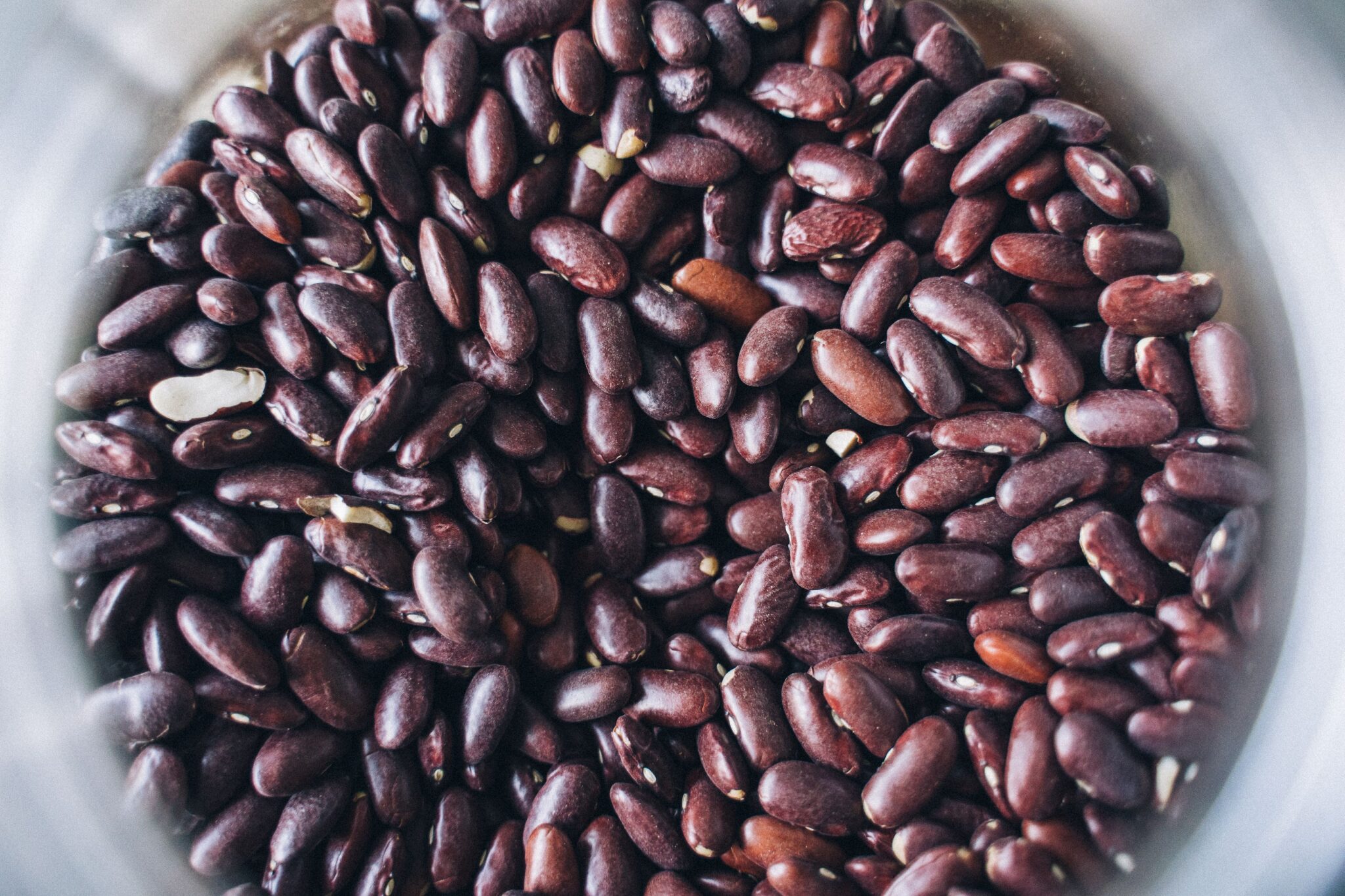
Rice, dried beans, and pasta are popular stockpiling foods because they’re inexpensive and store well. The problem is that they also require water, fuel, and a reliable way to cook them.
During a prolonged power outage or water disruption, preparing those foods may be more difficult than expected.
Keep some ready-to-eat options available, including canned beans, peanut butter, crackers, canned fruit, and other foods that require little or no preparation. It’s also important to store drinking water and have a manual can opener accessible.
An emergency pantry isn’t particularly helpful if you can’t prepare or open the food you’ve stored.
6. Storing Food and Forgetting About It
One of the easiest ways to waste money on emergency groceries is to put everything in a closet, basement, or storage area and forget about it.
Even shelf-stable foods can lose quality over time, especially when exposed to heat, moisture, or poor storage conditions. You may eventually discover that several items need replacing at once.
A simple way to avoid this is to rotate your supplies using the first-in, first-out method. Place newer groceries behind older ones, use stored foods in regular meals, and replace what you’ve eaten.
Keeping a basic pantry inventory can also help you track what you have and what needs to be used.
7. Forgetting About Snacks, Seasonings, and Comfort Foods
When people start stockpiling food, they often focus on the basics like rice, beans, canned vegetables, and other filling staples.
But eating the same plain meals for several days can become frustrating, especially for families with young children.
One Reddit user pointed out that morale matters during an emergency and that a crisis isn’t the ideal time to force yourself to eat foods you dislike.
Consider adding familiar snacks, coffee, tea, seasonings, sauces, chocolate, and other small comforts to your supply. These items might not seem essential, but they can make meals more enjoyable during an already stressful situation.
8. Never Testing the Foods You’ve Stockpiled
Buying emergency food is one thing. Knowing how to use it is another.
If you’ve never cooked with powdered milk, dried beans, canned chicken, or dehydrated vegetables, you might discover that certain foods require more preparation than expected.
Try making a few meals using only the ingredients you’ve stored. You’ll quickly learn which foods your family enjoys, what additional ingredients you need, and whether you have the equipment necessary to prepare everything.