A tidy home rarely comes from spending an entire weekend cleaning. More often, it comes from small things you do each day, like putting items back where they belong, wiping up messes, and getting rid of things you no longer need.
Organized homes usually share a few routines. Everyday chores don’t pile up, clutter gets cleared out regularly, and household items have their own places.
You don’t need to spend hours cleaning to keep your home in good shape. These 15 habits can help make daily upkeep feel much more manageable.
1. Give Everything a Home
One of the easiest ways to cut down on clutter is to give every item a regular place. Hang keys near the front door, keep books on a shelf, and store cleaning supplies together in one cabinet.
Once you know where something belongs, putting it away takes less effort. It also saves you from searching through drawers and countertops whenever you need it.
Related: 12 Old-School Frugal Habits Worth Bringing Back
2. Make the Bed Every Morning
Making your bed takes just a few minutes, but it can make the entire bedroom look neater. Straighten the sheets, fluff the pillows, and pull up the comforter before starting your day.
It’s also a small task you can finish first thing in the morning. That one bit of tidying can make the room feel less messy, even if the rest of the house needs attention.
3. Get Rid of Things You No Longer Use
Clutter keeps coming back if you never make room for anything to leave. Every few months, check your closets, cabinets, drawers, and storage areas for items you no longer need.
Clothes that don’t fit, books you’ve finished, and household items collecting dust may be ready to go. You can donate or sell usable belongings.
You don’t have to clear out an entire room in one day. Start with one drawer or shelf, then work through the rest when you have time.
4. Do a Little Cleaning Every Day
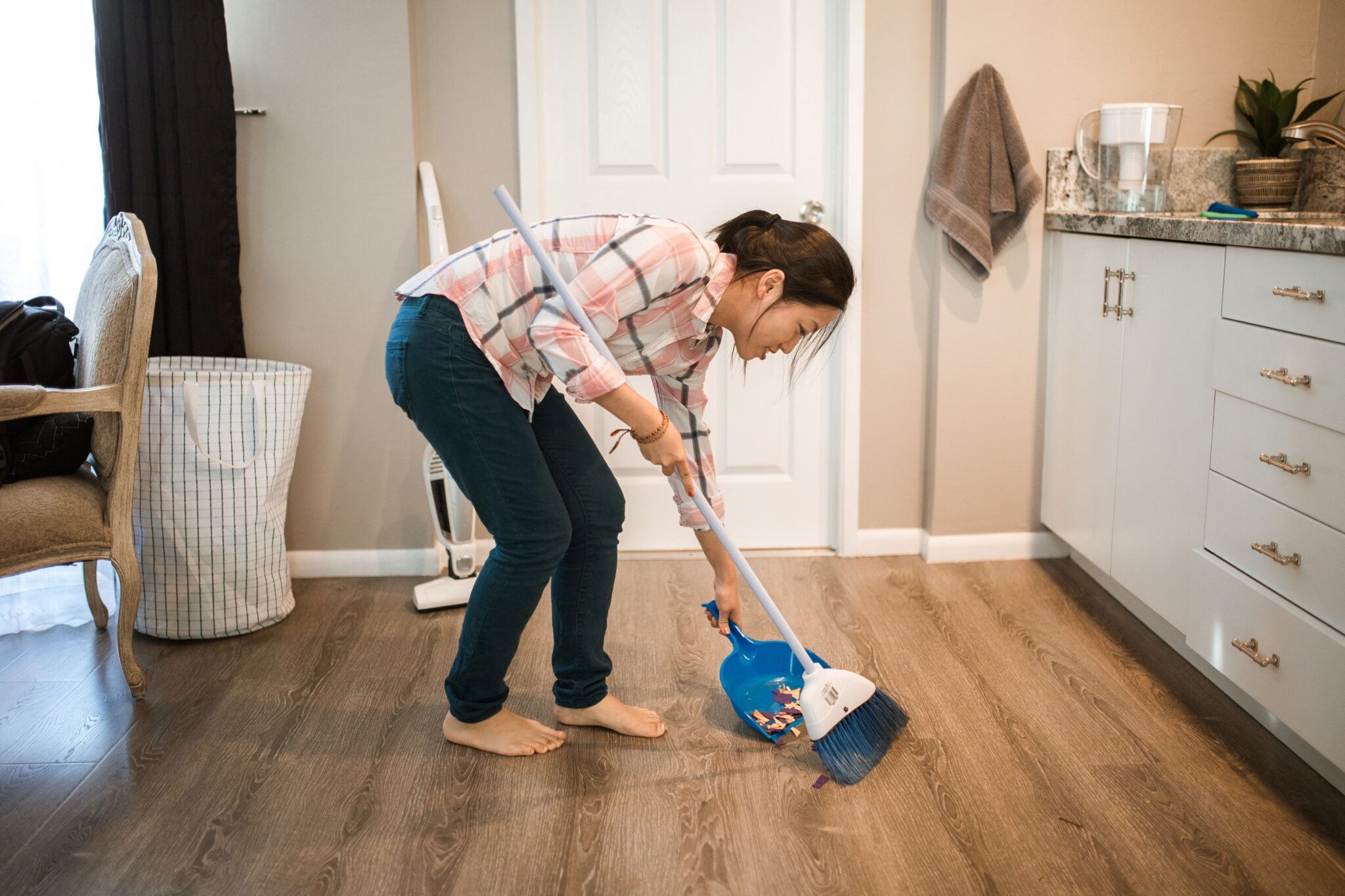
Putting off all your cleaning until the weekend can leave you with several hours of work. Spending a few minutes on household chores each day can keep that from happening.
Wipe the kitchen counters after dinner, sweep up crumbs, and put away anything left lying around. Small messes are much easier to handle before they spread to other parts of the house.
5. Keep Storage Containers on Hand
Bins, baskets, and containers can make crowded shelves and cabinets easier to manage. Clear containers are handy for belongings you need to see without opening every box.
Use them for craft supplies, toiletries, pantry goods, seasonal decorations, and other small household items. Keeping similar things together makes it easier to find what you’re looking for.
6. Make Use of Vertical Space
Walls and the backs of doors can provide extra storage without taking up floor space. Shelves, hooks, pegboards, and hanging organizers can help keep everyday items off countertops and furniture.
This is especially useful in smaller kitchens, bathrooms, laundry rooms, and entryways. A few well-placed storage additions can free up room in already crowded cabinets.
7. Deal With Mail Right Away
Mail can pile up on kitchen counters and entryway tables before you even notice it. Instead of leaving everything in one stack, sort through it shortly after bringing it inside.
Recycle junk mail, put bills and documents in a designated spot, and keep important papers together. If you receive most of your bills electronically, switching to paperless statements can also reduce unwanted mail.
8. Follow the “One In, One Out” Rule
A simple way to stop your belongings from piling up is to remove an old item whenever you bring home something similar. For example, if you buy a new pair of shoes, find an older pair you no longer wear.
The same rule can work for kitchen gadgets, books, toys, and clothing. It doesn’t have to apply to every purchase, but it’s a useful habit for categories that tend to take over closets and cabinets.
9. Use Drawer Dividers
Drawers can get messy quickly when you toss small items together. Drawer dividers give everything its own section and make it easier to keep things in order.
Try them for socks, underwear, kitchen utensils, office supplies, makeup, or accessories. You’ll spend less time digging around whenever you need to find something.
10. Label Storage Areas
Labels make it easier for everyone in the household to put things back where they belong. Add them to storage bins, shelves, drawers, and containers so there’s no guessing about what’s inside.
This works especially well for seasonal decorations, pantry supplies, children’s belongings, craft materials, and household goods. Clear labels can also save you from opening several boxes just to find one item.
11. Keep a Donation Box Nearby
Set aside a box or reusable bag for belongings you no longer want. Whenever you come across something you can donate, put it there instead of leaving it in another corner of the house.
Once the box is full, take it to a local donation center. Having a regular spot for unwanted items makes clearing clutter part of your routine.
12. Keep Your Wardrobe Under Control
Closets can become crowded quickly, especially when clothing from different seasons is all hanging together. Take time every few months to check what you actually wear and remove pieces that no longer fit or suit your needs.
Group the remaining clothes by type, such as shirts, pants, dresses, and jackets. If closet space is limited, store off-season clothing elsewhere to make room for the pieces you wear most often.
13. Clean as You Go
Small messes are easier to handle if you take care of them right away. Put ingredients away while cooking, rinse dishes after using them, and wipe the counter once you’re finished preparing food.
This habit works in other rooms too. Return tools after a project, put away supplies after using them, and take a moment to clear up anything that doesn’t belong.
14. Set Up a Family Command Center
A central spot for schedules, reminders, keys, and important papers can help keep a busy household organized. You can set one up with a wall calendar, bulletin board, key hooks, and a small space for school or work documents.
Give each family member a place for the things they need regularly. It doesn’t have to take up much room, since even a small area near the kitchen or entryway can do the job.
15. Keep Digital Clutter Under Control
Your phone and computer can get just as cluttered as your home. Old files, unused apps, unread emails, and unsorted photos can make it harder to find the things you actually need.
Spend a few minutes deleting files you no longer need and sorting important documents into clearly named folders. Back up photos and other files you want to keep so they’re easier to find later.