Having a neighbor with a beautiful, mature tree can be nice, especially during the warmer months when it provides shade and a little extra privacy. But once fall arrives, that same tree can become a source of frustration when its leaves start covering your lawn, driveway, and gutters.
It’s even more frustrating when you don’t have many trees of your own, yet you’re spending hours raking up leaves that came from someone else’s property. You might wonder whether your neighbor should be responsible for the mess or whether you can send those leaves right back where they came from.
Before you start blowing leaves across the property line or asking your neighbor to pay for cleanup, homeowners should understand a few things about their rights and responsibilities.
You Usually Have to Clean Up Leaves That Fall in Your Yard
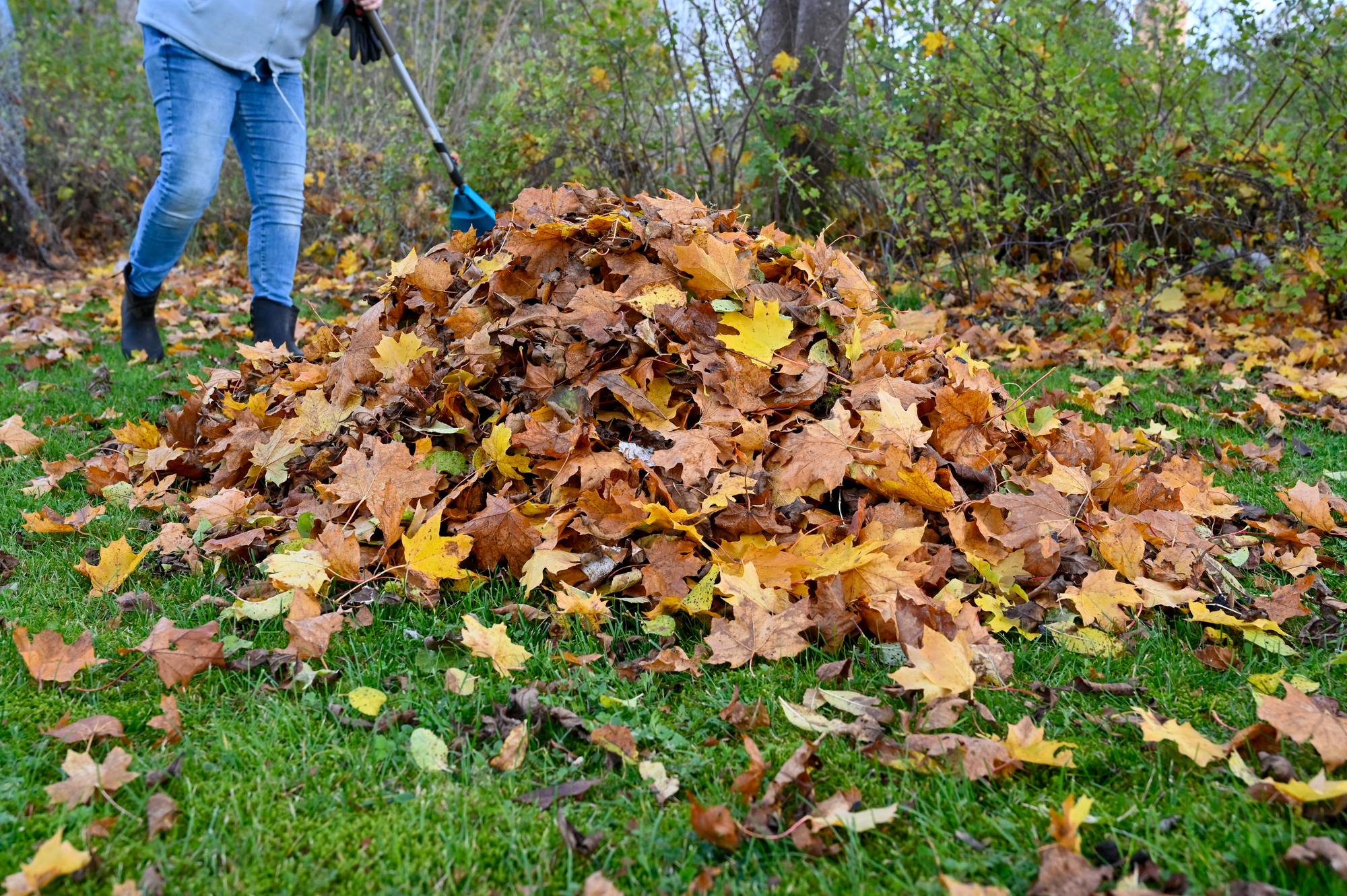
It might not seem fair, but in most situations, homeowners are responsible for leaves that naturally fall onto their property, even when those leaves come from a neighbor’s tree.
Trees don’t recognize property lines, and neither does the wind. As a result, leaves, small twigs, acorns, and other natural debris that fall into your yard are generally considered your responsibility to clean up.
According to the American Bar Association, ordinary leaves blowing from a neighbor’s tree generally aren’t enough to establish a successful legal claim against the tree’s owner.
This means you typically can’t demand that your neighbor rake your lawn or reimburse you for yard waste bags simply because the leaves came from their tree.
The situation can change if a tree is hazardous, poorly maintained, or causing actual property damage. However, ordinary seasonal leaf drop generally isn’t enough to make your neighbor responsible for cleanup.
You Can’t Necessarily Blow the Leaves Back Onto Their Property
It’s tempting to grab a leaf blower and send everything back across the fence, especially after spending the afternoon cleaning up a tree you don’t even own.
However, deliberately dumping or blowing collected leaves onto someone else’s property may violate local ordinances or create a dispute over property rights.
There’s an important difference between leaves naturally falling into your yard and someone intentionally moving piles of yard waste onto another person’s property. The American Bar Association notes that deliberately blowing or depositing leaves onto a neighboring property could potentially support a nuisance claim in certain jurisdictions.
Even if the leaves originally came from your neighbor’s tree, that doesn’t automatically give you permission to return them.
The safer approach is to collect, mulch, compost, or dispose of the leaves according to your community’s yard waste rules.
You May Be Able to Trim Branches That Cross Your Property Line
When a neighbor’s tree has branches hanging over your fence, you may have more options than you realize.
In many states, homeowners can trim branches that extend onto their property, as long as they don’t damage the tree or create a safety hazard.
However, that doesn’t mean you can cut the branches wherever you want. Your rights generally stop at the property line, and excessive pruning that harms or kills the tree could leave you responsible for damages.
Local tree protection ordinances, HOA rules, and regulations involving protected species can also affect what you’re allowed to remove.
If the branches are large, close to power lines, or hard to reach, consult a qualified arborist before attempting any work.
You Can’t Cut Down Your Neighbor’s Tree Just Because It’s a Nuisance
A tree that drops thousands of leaves every fall might be annoying, but that doesn’t mean you can remove it.
If the trunk is located entirely on your neighbor’s property, the tree generally belongs to them. Cutting it down without permission could result in serious legal and financial consequences.
The same applies to entering your neighbor’s property to remove branches or perform maintenance without their approval.
Even if the tree creates extra yard work, ordinary falling leaves usually aren’t enough to force its removal.
If the tree is diseased, unstable, or threatening your home, that’s a different situation worth discussing with your neighbor and a qualified tree professional.
You Can Raise Concerns About a Dangerous or Neglected Tree
A healthy tree that sheds leaves is different from one showing signs of serious damage or decay. Large dead branches, a visibly leaning trunk, extensive rot, or other signs of structural weakness may indicate that a tree needs professional attention.
Pruning may be necessary when trees have dead or decaying branches, weak branch connections, storm damage, or limbs that could threaten people and property.
If you’re concerned about a neighbor’s tree, start by documenting the problem and bringing it to their attention. Photos, written communication, and an assessment from a qualified arborist may help establish whether there’s a genuine safety concern.
Responsibility for damage caused by a falling tree or branch depends on several factors, including local law, the tree’s condition, and whether the owner knew or reasonably should have known about the danger.
A healthy tree that loses a branch during an unexpected storm may be treated differently from a visibly deteriorating tree that was ignored for years.
You Can Ask Your Neighbor to Help, but They May Not Have To
Sometimes, the simplest solution is having a conversation before the situation becomes a bigger problem. Your neighbor might not realize how much debris their tree drops onto your property, especially if most branches hang over your side of the fence.
You can ask whether they’d be willing to trim certain branches, share the cost of professional maintenance, or help with seasonal cleanup.
However, unless local rules or specific circumstances require it, your neighbor generally isn’t obligated to pay for routine leaf removal.
Approaching the conversation as a request rather than a demand may make it easier to find a solution that works for both households.
You Can Check Your HOA and Local Yard Waste Rules
If you live in a neighborhood with a homeowners association, review the landscaping and property maintenance rules before taking action.
Some HOAs have guidelines about tree trimming, overhanging branches, yard maintenance, and how residents must handle fallen leaves.
Cities and counties may also regulate where residents can place leaves for collection. For example, the City of Oakland prohibits residents from sweeping leaves from their yards or sidewalks into streets and gutters.
Leaves can clog storm drains, contribute to flooding, and create additional cleanup problems for the community.
These rules matter especially when a neighbor or landscaping crew intentionally directs debris onto your property rather than when leaves fall naturally.
If the issue continues, document what’s happening and check with your HOA or local code enforcement office to understand your options.
You Don’t Have to Bag Every Leaf That Falls
If your neighbor’s tree leaves you with a yard full of fallen leaves every autumn, there’s another option that could save you time.
Instead of raking and bagging everything, consider using a mulching mower to chop up a manageable layer of leaves and return nutrients to your lawn.
According to the University of Minnesota Extension, mulching fallen leaves can improve soil structure, return nutrients to the ground, and reduce the amount of yard waste homeowners need to collect.
You can also gather leaves for compost or use them as mulch in garden beds. Just avoid allowing thick layers of whole leaves to smother your grass, and keep leaves away from drains, walkways, and areas where they could create slipping hazards.
While you may not be able to control where your neighbor’s leaves fall, you can make the cleanup a little easier.
Related: How to Clean Up Fallen Autumn Leaves from Your Yard