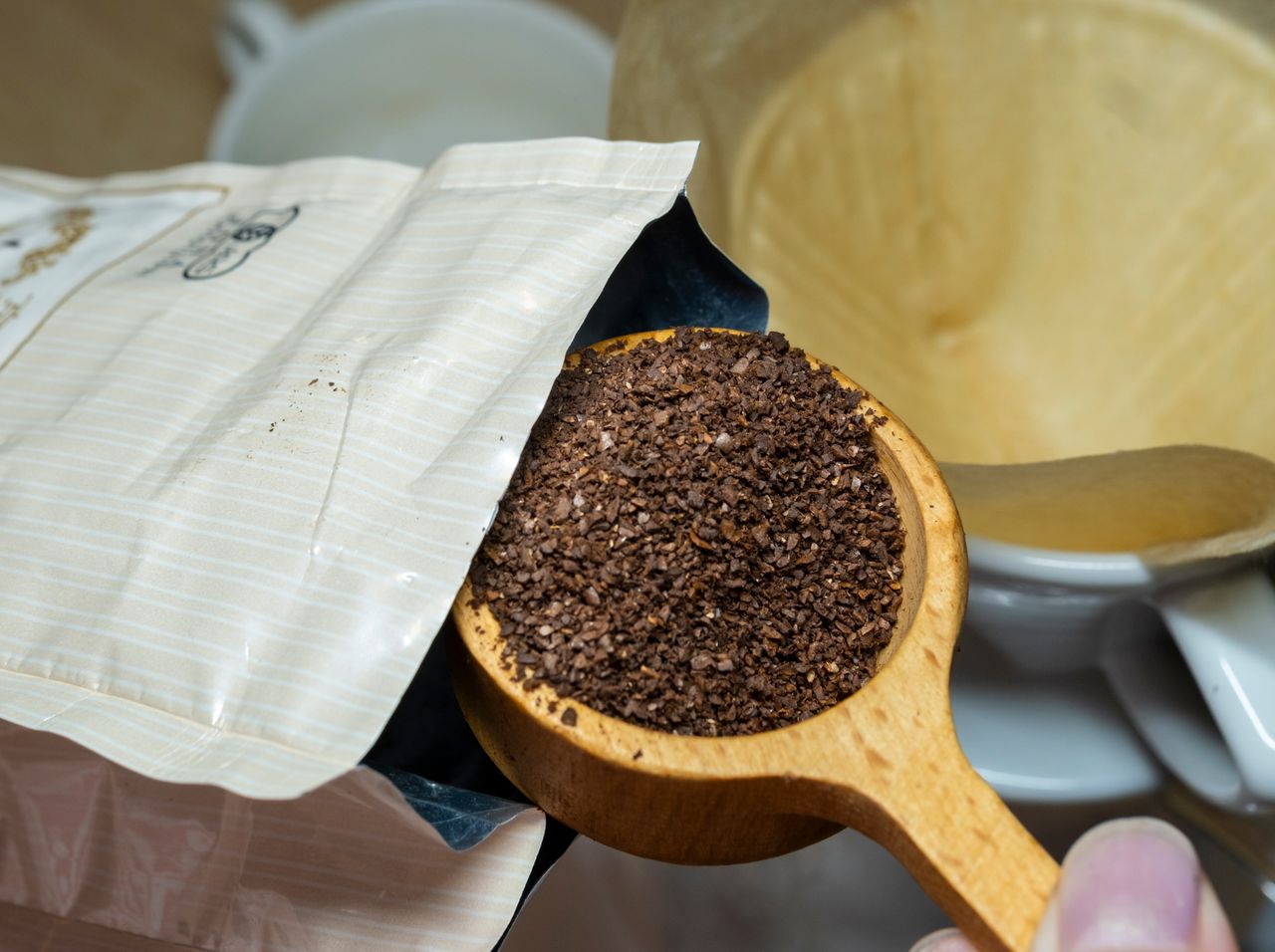
If you’re like most coffee drinkers, you probably toss your used coffee grounds in the trash without thinking twice. But before you throw away tomorrow morning’s batch, you might want to reconsider. Those leftover grounds can still be surprisingly useful around your home and garden.
From absorbing unwanted odors to helping with everyday cleaning and gardening tasks, here are 10 clever ways to reuse your used coffee grounds.
1. Add Traction to Icy Walkways
If you live somewhere with snowy winters, used coffee grounds can provide a bit of extra grip on slippery sidewalks and driveways. Their dark color may also help absorb sunlight, which can slightly warm the surface.
Spread a thin layer over icy patches to improve traction underfoot. Coffee grounds won’t melt ice like a proper de-icer, so use them as an extra precaution rather than your main solution.
2. Discourage Some Garden Pests
Coffee grounds are sometimes used in gardens to discourage ants, slugs, and snails. Their smell and texture may make certain areas less appealing to these pests, though results aren’t guaranteed.
Sprinkle a small amount near areas where you’ve noticed pest activity and watch to see if it makes a difference. If the problem continues, try other pest-control methods that are suited to the insects or animals you’re dealing with.
3. Add Them to Your Compost Pile
Used coffee grounds are a useful addition to a backyard compost pile because they contain nitrogen. They can be mixed with other kitchen scraps and yard waste to help create compost for your garden.
Add the grounds along with vegetable scraps, leaves, grass clippings, and other compostable materials. Avoid adding too much at once, since compost needs a balance of green materials and brown materials to break down properly.
4. Mix Them Into Garden Soil
Coffee grounds contain organic matter and small amounts of nutrients that can contribute to soil health as they break down. They’re best used in modest amounts rather than spread in a thick layer around plants.
Mix a little into your compost or work it into the soil instead of leaving a dense covering on the surface. If you’re using them for acid-loving plants, remember that used coffee grounds won’t reliably lower soil pH, so a soil test is a better way to check what your garden needs.
5. Absorb Unpleasant Household Odors
Dried coffee grounds can help reduce unpleasant smells in small spaces around the house. They’re worth trying in places like the refrigerator, pantry, or near the kitchen trash can.
Let the grounds dry completely before putting them in an open container or breathable pouch. Replace them regularly, since damp or old grounds can develop mold and create another odor problem.
6. Try Them Around Ant Entry Points
If ants keep appearing near a doorway, window, or crack in the wall, you can try sprinkling a little coffee grounds nearby. The strong smell may discourage some ants from crossing the area, but it isn’t a reliable way to eliminate an infestation.
Keep the grounds away from places where pets or children might eat them. For a persistent ant problem, use a suitable bait or other pest-control treatment instead.
7. Don’t Rely on Them to Treat Fleas on Dogs
Coffee grounds are sometimes promoted as a homemade flea remedy for dogs, but there’s no good reason to rely on them for flea control. Caffeine is toxic to dogs, and swallowing even a small amount of coffee grounds can be dangerous.
Keep used grounds away from your pet’s food, bedding, and bathing area. If your dog has fleas, ask a veterinarian about a treatment that is safe for their age, size, and health.
8. Remove Strong Smells From Your Hands
Garlic, onions, and fish can leave stubborn smells on your hands long after cooking is finished. A little used coffee can act as a mild scrub while helping remove some of that lingering odor.
Rub a small amount of damp grounds between your hands, then rinse thoroughly with soap and water. Avoid this trick if your skin is irritated, cracked, or sensitive, since the grounds can be rough.
9. Make a Scrubbing Paste for Tough Messes
The gritty texture of coffee grounds can help loosen stuck-on food from sturdy pots and pans. Mix a small amount with water to form a paste, then gently scrub with a sponge or cloth.
Don’t use coffee grounds on delicate cookware, painted surfaces, or countertops that scratch easily. Test an inconspicuous spot first, and avoid using them on anything with a finish you want to protect.
Related: 14 Simple Vinegar Uses Every Gardener Should Know
10. Try Them as a Mosquito Deterrent
Some people use coffee grounds outdoors to discourage mosquitoes. Dried grounds may have a noticeable smell, but little reliable evidence shows that placing them around the yard will keep mosquitoes away.
For better results, empty containers that collect rainwater, clean gutters, and remove other sources of standing water where mosquitoes can breed. You can still reuse your coffee grounds outdoors, but don’t count on them to protect your yard from bites.